The Hidden Challenges Indonesia Vanilla Supplier Face
Introduction from a vanilla supplier
Indonesia vanilla supplier work in one of the most complex agricultural environments in the world. While the global demand for real vanilla continues to rise—thanks to its unmatched aroma, natural composition, and wide culinary use—the journey from flower to finished bean is far more challenging than most consumers realize.
This article uncovers the hidden obstacles that shape Indonesia’s vanilla industry, drawing from agricultural research, field experiences, and insights from the local supply chain. Instead of a business pitch, this is an honest look at the realities behind one of the world’s most important spices.
To better understand the complexity of the industry, we examine the major challenges affecting farmers, processors, and exporters.
Theft, Insecurity & Premature Harvesting
Alt text: Indonesia vanilla supplier theft challenge
Vanilla is often referred to as “green gold,” and for good reason: its price surpasses silver at peak market moments. This incredible value unfortunately makes vanilla farms frequent targets for theft.
As a result, many farmers harvest beans too early to avoid losing crops overnight. Premature harvesting negatively affects:
Vanillin content
Aroma development
Curing potential
Market value
This issue is not exclusive to Indonesia; research shows similar challenges in Madagascar, Mexico, and Uganda. Premature picking is a major quality barrier that ethical suppliers in Indonesia, including sustainability-focused companies, must continuously address.
Price Volatility & Economic Uncertainty
Vanilla prices are notoriously unpredictable, swinging from extremely high to dramatically low within short timeframes.
Factors influencing price instability include:
Seasonal shortages
Climatic events like drought or storms
Shifts in global demand
Synthetic vanilla market pressures
Poor regulation in the value chain
This volatility makes long-term planning nearly impossible for farmers and suppliers. A high-price season may encourage expansion, but a price crash often leaves farmers struggling with debt or abandoned fields. Indonesia vanilla supplier must adapt by diversifying sourcing regions, establishing stable partnerships, and practicing responsible pricing.
Disease, Pests & Limited Genetic Diversity
Vanilla is an extremely delicate crop. Its vines are susceptible to:
Fusarium wilt
Root rot
Aphids and mites
Stem blight
Due to widespread clonal propagation (cuttings taken from identical mother vines), genetic diversity in vanilla remains dangerously low.
Low diversity leads to:
Weak resistance to disease
Poor adaptability
Higher production risks
Reduced yield stability
This means a disease outbreak can wipe out entire regions. Organizations worldwide, including the International Vanilla Organization, have raised concerns about the vulnerability of current vanilla genetics.
Indonesia’s humid climate further accelerates fungal infections, making field training and disease monitoring essential.
Weak Supply Chain Organization & Lack of Training
Indonesia’s vanilla industry is dominated by smallholder farmers who often lack access to:
Structured cooperatives
Modern processing technologies
Quality control training
Transparent market information
Fair pricing systems
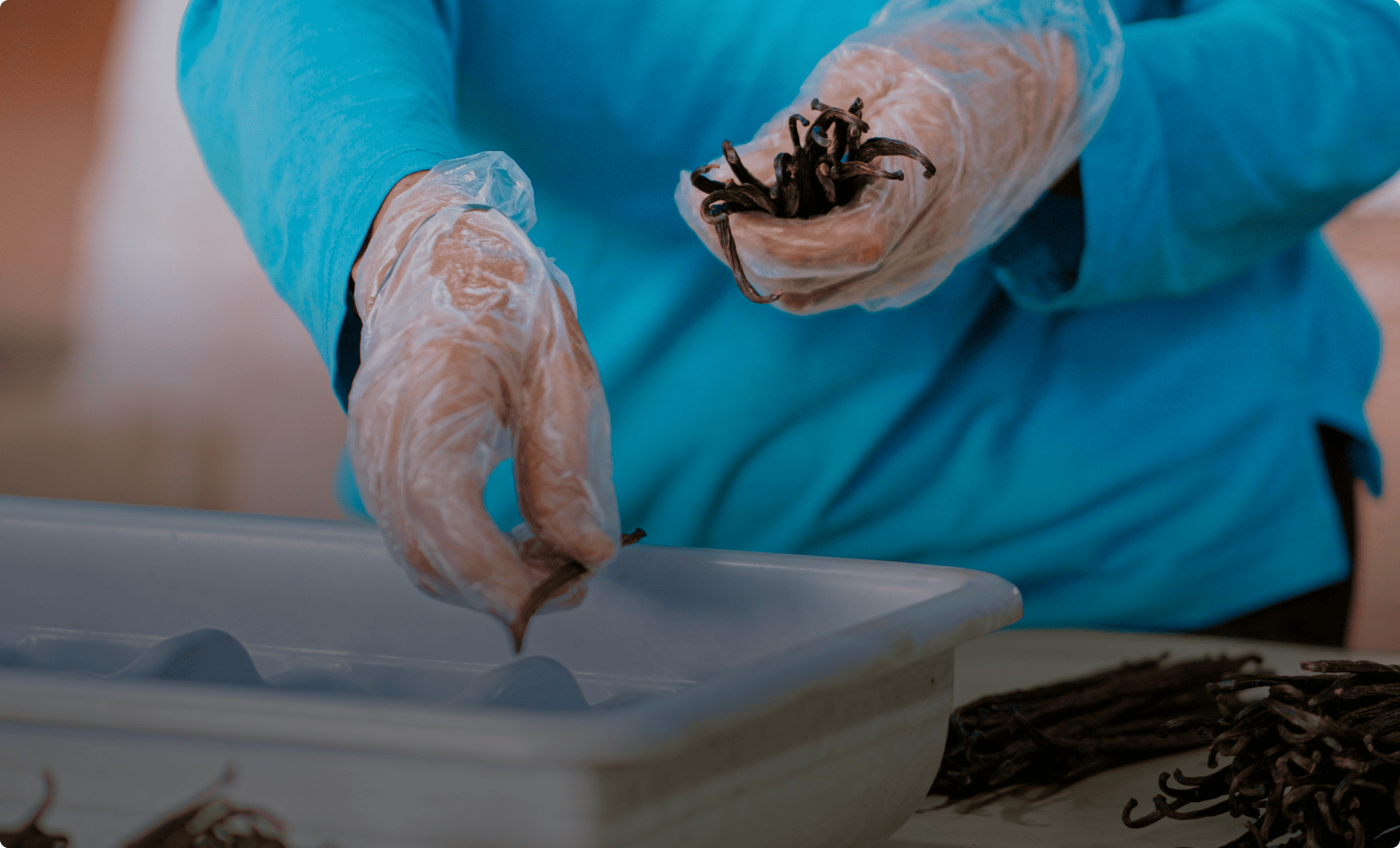
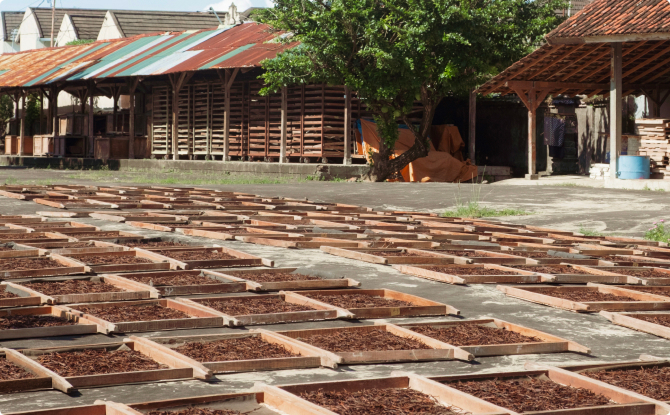
Without coordinated supply chains, post-harvest handling can be inconsistent. Curing methods vary widely, storage conditions may not meet global requirements, and beans often pass through too many middlemen, reducing traceability and profits.
A strong supply chain is fundamental for producing premium vanilla, especially for export buyers who need consistent quality.
Infrastructure & Market Access Barriers
Many vanilla farms are located in remote rural areas where:
Roads are damaged or unpaved
Transport costs are high
Digital access is limited
Storage conditions are inadequate
Financial institutions are scarce
These issues create delays, logistical inefficiencies, and post-harvest losses. Farmers may walk several kilometers to deliver vanilla, often relying on informal local buyers. Better infrastructure could significantly improve the efficiency and sustainability of Indonesia’s vanilla supply chain.
Regional Comparison of Global Vanilla Challenges
Below is a simplified version of the global comparison often referenced in vanilla research:
| Challenge | Madagascar | Indonesia | Mexico | Australia | Kenya/Uganda |
|---|---|---|---|---|---|
| Theft & Insecurity | High | High | High | Low | Moderate |
| Price Volatility | High | High | High | Moderate | Moderate |
| Disease/Pests | High | High | High | Low | Moderate |
| Supply Chain Weakness | High | High | High | Moderate | High |
| Infrastructure Barriers | High | Moderate | High | Low | High |
This highlights that the challenges Indonesia vanilla supplier face are not isolated. However, Indonesia has unique opportunities due to its diverse geography and strong agricultural heritage.
How Suppliers in Indonesia Are Responding
Despite these obstacles, many suppliers are taking proactive steps toward improvement. These include:
✔ Strengthening farmer partnerships
Direct relationships reduce middlemen and increase traceability.
✔ Providing training in hand-pollination & curing
This boosts both yield and quality consistency.
✔ Ethical purchasing practices
Paying fair prices prevents premature harvesting and supports long-term sustainability.
✔ Adopting community-based security
Village watch programs and coordinated harvest schedules help reduce theft.
✔ Diversifying growing regions
Spreading crops across Sumatra, Bali, Sulawesi, and NTT reduces risk.
✔ Export certification & testing
Compliance with FDA, GACC, and EU standards improves global market trust.
Conclusion from a vanilla supplier
Indonesia vanilla supplier navigate a complex web of challenges—from theft and disease to volatile pricing and infrastructure barriers. Yet the resilience, skill, and tradition behind Indonesia’s vanilla industry continue to support a global demand for pure, aromatic, and sustainably-grown vanilla.
Overcoming these challenges requires collaboration among farmers, suppliers, cooperatives, and international partners. With structured training, fair market access, and community support, Indonesia stands to strengthen its position as one of the world’s most influential vanilla-producing nations.