Vanilla Bean Moisture and Vanillin: 5 Essential Things to Know
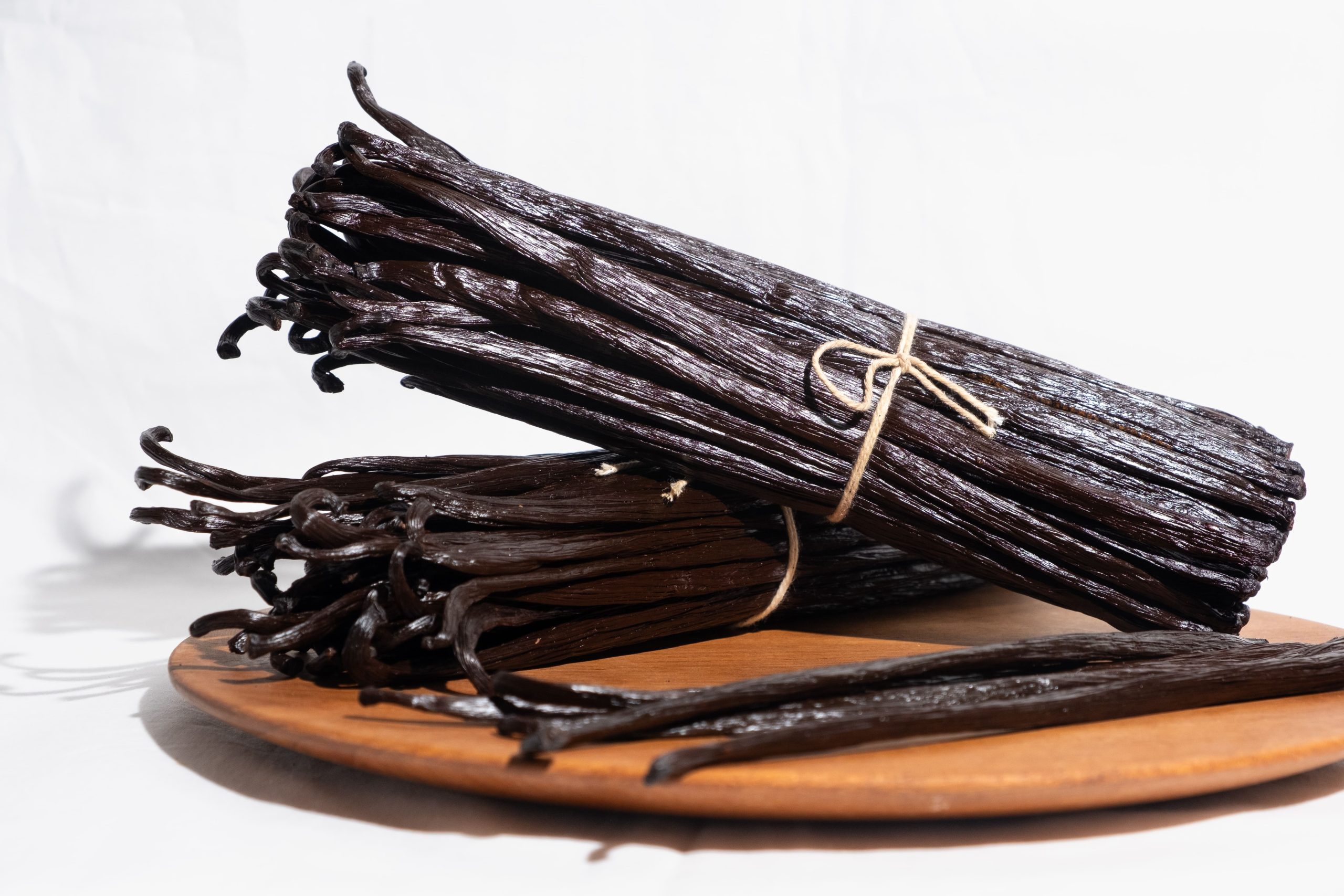
When evaluating cured vanilla beans, two specifications often receive particular attention: vanilla bean moisture and vanillin.
Both provide useful information about the characteristics of a vanilla bean, but they tell different things. Moisture relates to the water content and physical condition of the bean, while vanillin is one of the main compounds associated with vanilla’s characteristic aroma.
Understanding both can help to evaluate vanilla beans more carefully and select a product that matches the intended application.
What Is Vanilla Bean Moisture?
Vanilla bean moisture refers to the amount of water present in a cured vanilla bean.
This specification is an important quality parameter because it can affect characteristics such as texture, flexibility, weight, and storage stability.
Cured vanilla beans naturally retain some water after processing. The appropriate level can vary depending on the grade, curing process, product specification, and intended application.
For this reason, moisture should not simply be viewed as a number that should always be as low as possible.
The level needs to be appropriate for the condition and intended use of the vanilla beans.
What Is Vanillin in Vanilla Beans?
Vanillin is one of the most important compounds associated with the characteristic aroma of cured vanilla.
During curing, naturally occurring compounds in green vanilla beans undergo changes that contribute to the formation of key aroma compounds and other aroma compounds. This transformation is one of the reasons cured vanilla has a very different aroma from freshly harvested green beans.
However, this compound is not the only compound responsible for the overall aroma of vanilla. Other aromatic compounds also contribute to its sensory profile.
This means that vanillin content is an important specification, but it does not describe the entire aroma of a vanilla bean.
Why Do Vanilla Bean Moisture and Vanillin Both Matter?
Moisture and vanillin provide different information about the same product.
The moisture content helps describe the physical condition of the bean, while the aroma compound provides information about one of the major compounds contributing to its characteristic vanilla aroma.
Looking at both specifications can provide a more useful picture than considering either one alone.
Other characteristics may also need to be considered, including:
- Aroma
- Bean appearance
- Texture and flexibility
- Length
- Physical condition
- Microbiological quality
- Intended application
Commercial vanilla samples can vary in both moisture and vanillin content, including between different quality classes and batches. This is one reason why vanilla quality should be evaluated using several specifications rather than a single number.
Does Higher Vanillin Always Mean Better Vanilla?
A higher vanillin percentage means that the bean contains a higher concentration of this particular compound. However, it does not automatically mean that the vanilla will have a better overall sensory profile for every application.
Vanilla contains many different compounds that contribute to its characteristic aroma. These compounds can create different sensory impressions, including sweet, creamy, floral, fruity, and woody notes.
The relationship between vanillin content and overall aroma is therefore more complex than simply assuming that a higher vanillin percentage always means better vanilla.
This specification is best considered together with other quality characteristics and the requirements of the intended application.
Why Evaluate Moisture and Vanillin Together?
When purchasing vanilla beans for commercial use, these two specifications can be considered together as part of a broader quality assessment.
For example, the moisture content can help buyers understand the physical condition and water content of the beans, while vanillin provides information about one important component of their aroma profile.
The appropriate values depend on the grade, product specification, and intended application.
Purchasing whole vanilla beans may have different requirements from a manufacturer purchasing beans for extraction or other processing.
This is why there is no single moisture or vanillin value that can be considered ideal for every application.
Reading Vanilla Bean Specifications More Carefully
These specifications are useful specifications, but they are only part of a broader quality evaluation.
A commercial specification may also include:
- Vanilla variety
- Origin
- Grade
- Length
- Moisture
- Vanillin
- Aroma
- Color
- Physical condition
- Microbiological requirements
- Packaging requirements
Natural vanilla is an agricultural product, so some variation between origins, grades, and batches is expected.
Understanding Vanilla Bean Moisture and Vanillin
Vanilla bean moisture and vanillin are two important specifications that can help buyers understand the characteristics of cured vanilla.
Water content provides information about the physical condition of the bean, while vanillin provides information about one of the key compounds contributing to its characteristic aroma.
A complete evaluation should consider these specifications together with the bean’s aroma, appearance, physical condition, grade, and intended application.
At Rendah Vanilla, we evaluate Indonesian vanilla beans according to their physical characteristics, quality specifications, and intended applications to help buyers select the appropriate grade for their requirements.
Explore our Indonesian vanilla beans or contact our team to discuss vanilla specifications for your application.