Vanilla Bean Quality Control: 6 Essential Checks Before Export

Vanilla bean quality control is an important part of preparing cured vanilla beans for export. Before shipment, the beans should be checked for their physical condition, appearance, aroma, moisture, and other quality characteristics.
A proper vanilla bean quality control is not based on a single measurement. Instead, several characteristics should be assessed together to confirm that the vanilla beans meet the agreed product specification, intended application, customer requirements, and applicable standards.
For international shipments, consistent quality is also important. A batch should be properly inspected and documented before it is packed and prepared for export.
What Is Vanilla Bean Quality Control?
Vanilla bean quality control is the process of checking whether cured vanilla beans meet the required quality specifications before they are shipped.
Depending on the product and customer requirements, vanilla bean quality control may include physical inspection, sensory assessment, moisture measurement, laboratory testing, and checks of packaging and documentation.
The purpose is not simply to determine whether the beans look good. Vanilla bean quality control helps identify defects, deterioration, contamination, or differences from the agreed specification before the product leaves the facility.
6 Essential Checks Before Export
Appearance and Color
The appearance of vanilla beans provides an important first indication of their condition.
Depending on the vanilla variety, curing process, and product specification, cured beans may range from dark brown to almost black. The beans should be visually inspected for characteristics such as excessive dryness, unusual discoloration, cuts, splits, or other visible defects.
Color should therefore be assessed together with other characteristics rather than used as the only indicator of quality.
A visual inspection can also help identify beans that may require further sorting before packing.
Aroma
Aroma is another important characteristic when evaluating cured vanilla beans.
Quality vanilla should have a characteristic vanilla aroma appropriate to its variety and curing profile. The aroma may include sweet, creamy, floral, fruity, woody, or other notes depending on the vanilla and its origin.
The beans should also be checked for unusual or undesirable odors that could indicate poor storage, contamination, or deterioration.
Because aroma can vary naturally between varieties, it is important to evaluate it against the agreed product specification rather than expecting every vanilla bean to smell exactly the same.
Physical Condition and Texture
The physical condition of the beans should also be checked as part of vanilla bean quality control before export.
Cured vanilla beans are generally expected to have a suitable level of flexibility and texture for their intended grade and application. Beans that are excessively dry, brittle, shriveled, or otherwise deteriorated may require further evaluation.
The beans can also be inspected for visible defects such as excessive splitting, cuts, insect damage, or other physical abnormalities.
Not every visible defect has the same significance. Some minor cosmetic characteristics may be acceptable depending on the agreed grade, while defects associated with mold, contamination, or deterioration require greater attention.
Moisture
Moisture is an important quality parameter for cured vanilla beans because it is related to the physical condition and storage stability of the product.
The appropriate moisture level depends on the product specification, grade, intended application, and applicable requirements. For this reason, there is no single moisture percentage that should be treated as a universal requirement for every vanilla bean product.
Moisture can be checked using appropriate measurement methods when required by the product specification or customer requirements.
A moisture result should also be considered together with the physical condition of the beans and their storage history.
Vanillin and Other Quality Parameters
Vanillin is one of the most important compounds associated with the characteristic aroma of vanilla.
Depending on the product specification and customer requirements, laboratory analysis may be used to measure vanillin and other parameters such as ash or acid-insoluble ash.
However, vanillin concentration should not be treated as the only measure of vanilla quality. Vanilla beans contain many different aromatic compounds that work together to create their overall scent and flavor profile.
Laboratory results are therefore most useful when they are interpreted together with sensory characteristics and other quality parameters, and compared against the agreed specification and intended application.
Mold, Contamination, and Foreign Material
Vanilla beans should be checked for visible mold, contamination, and foreign material before export.
Visible mold is a significant quality concern and should not be treated in the same way as minor cosmetic defects. Beans showing signs of mold or deterioration should be identified and handled according to the company’s quality procedures.
The batch should also be checked for unwanted foreign materials or contamination that could affect product safety or quality.
What Should Be Checked Before Vanilla Beans Are Exported?
| Quality Check | What to Look For | How It May Be Checked |
| Appearance and color | Appropriate color, visible condition, defects | Visual inspection |
| Aroma | Characteristic vanilla aroma, no unusual odors | Sensory evaluation |
| Physical condition | Suitable texture, flexibility, dryness, and visible defects | Visual and physical inspection |
| Moisture | Meets agreed specification | Moisture measurement |
| Vanillin and other parameters | Meets agreed chemical specification | Laboratory analysis where required |
| Mold and contamination | No unacceptable mold, foreign material, or contamination | Visual inspection and relevant checks |
| Size, grade, and consistency | Meets agreed grade, size, and batch specification | Sorting, measurement, and batch inspection |
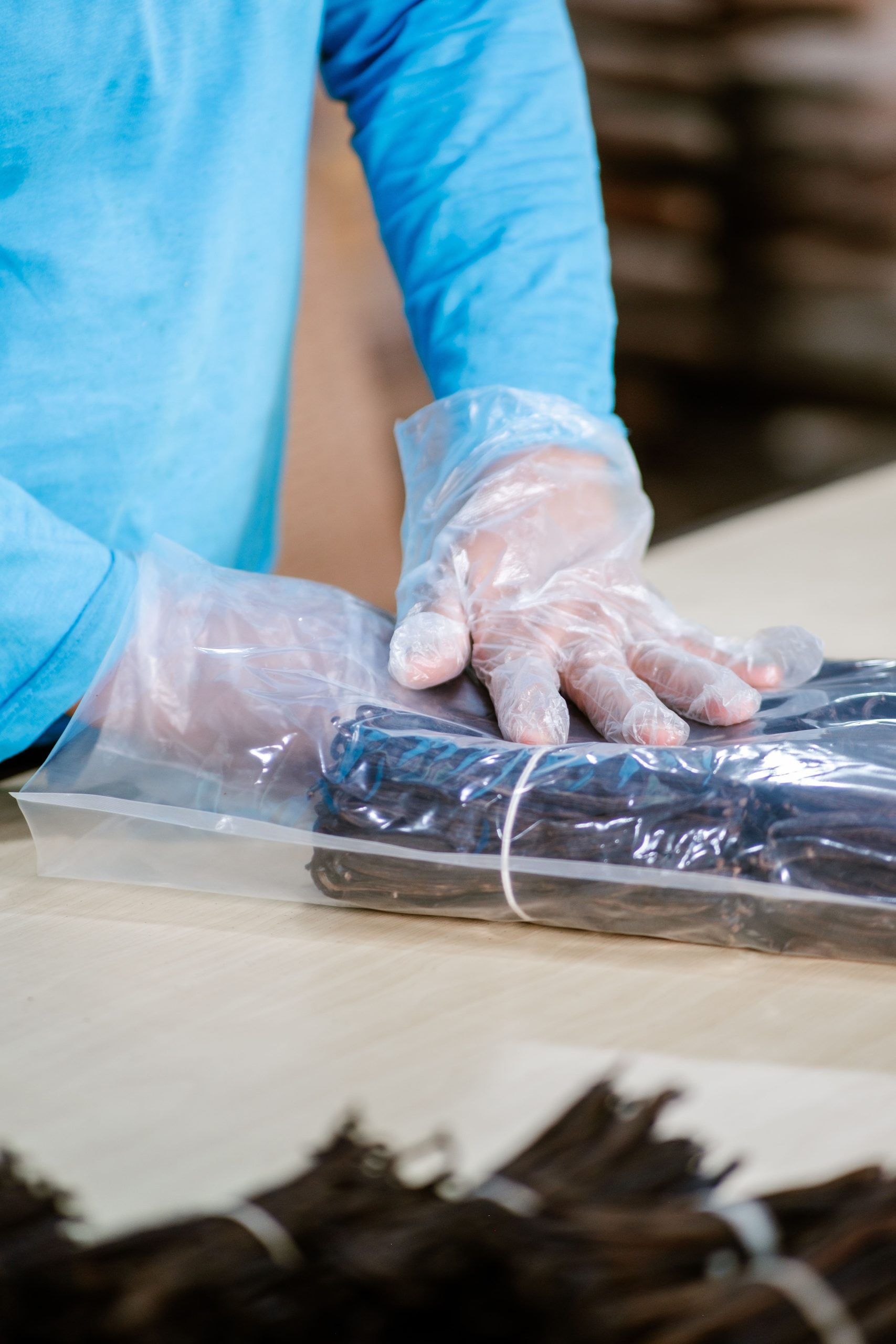
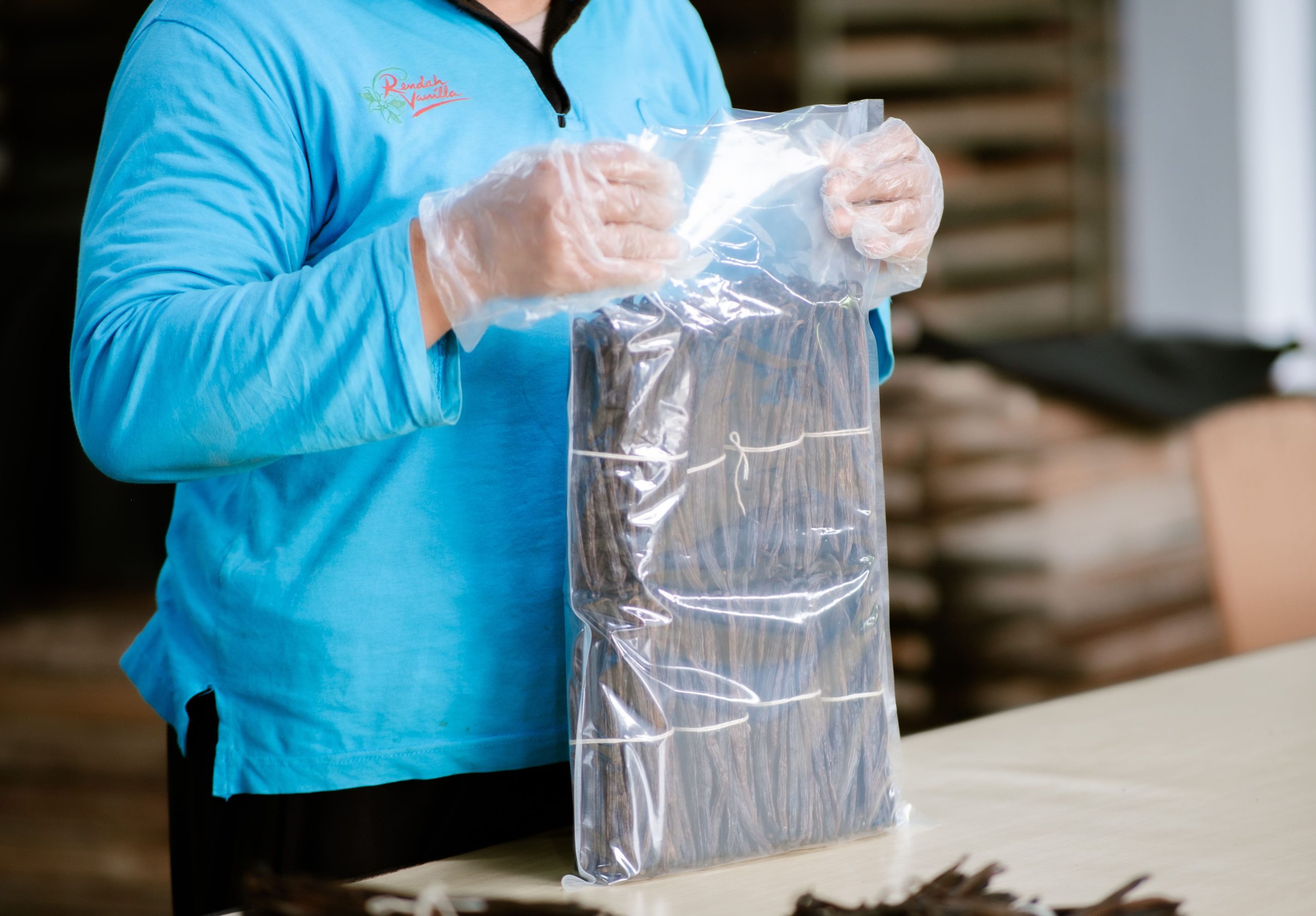
| Packaging Condition | Packaging is clean, intact, properly sealed, and suitable for protecting the product during storage and transport | Visual inspection and packaging/seal check |
The exact vanilla bean quality control checks should be adapted to the specific product and customer requirements. A vanilla bean intended for gourmet retail use may have different specifications from beans intended for extraction or industrial processing.
Why Does Vanilla Bean Quality Control Matter Before Export?
Quality control helps ensure that the product shipped is consistent with what was specified and agreed with the customer.
A structured vanilla bean quality control process can help identify issues before shipment, reduce avoidable quality problems, and provide records that support traceability and communication with customers.
It also helps create consistency between batches. This is especially important for customers who use vanilla as an ingredient in their own food products and need a predictable raw material.
Understanding Vanilla Bean Quality Control
Vanilla bean quality control is not about judging quality from one characteristic alone.
Appearance, aroma, physical condition, moisture, chemical parameters, defects, size, grade, and batch consistency all provide different pieces of information about the product.
The appropriate quality-control process should therefore be based on the product specification, intended application, customer requirements, and applicable standards.
At Rendah Vanilla, we pay attention to the condition of the beans from sourcing and curing through sorting, preparation, packaging, and export. Careful quality control at each stage helps maintain the natural characteristics and consistency of Indonesian vanilla beans.
Explore our Indonesian vanilla beans or contact our team to learn more about our vanilla specifications and quality-control process.