Vanilla Bean Supply Chain: 5 Essential Steps from Farm to Finished Product
The vanilla bean supply chain begins long before cured beans arrive as a finished ingredient. From hand pollination and harvesting to curing, grading, packing, and shipment, each stage can influence the quality of the final product.
Understanding the vanilla bean supply chain helps explain why the work behind a vanilla bean matters just as much as the bean itself. From the farm to the processing facility and eventually to the manufacturer, each stage plays a role in how vanilla reaches its final application.
Growing and Hand Pollination
Vanilla is a climbing orchid that requires careful cultivation. In many growing regions, the flowers are pollinated by hand.
Once pollinated, the developing pods require months of growth before they are ready to harvest. In general, vanilla beans are harvested around six to nine months after pollination, depending on growing conditions and maturity.
This is one reason vanilla is a labour-intensive crop: the quality of the final bean is influenced by careful work long before curing starts.
The vanilla bean supply chain therefore begins well before the beans reach a processing facility. Cultivation, pollination, and the development of the pods are the first steps in the journey.
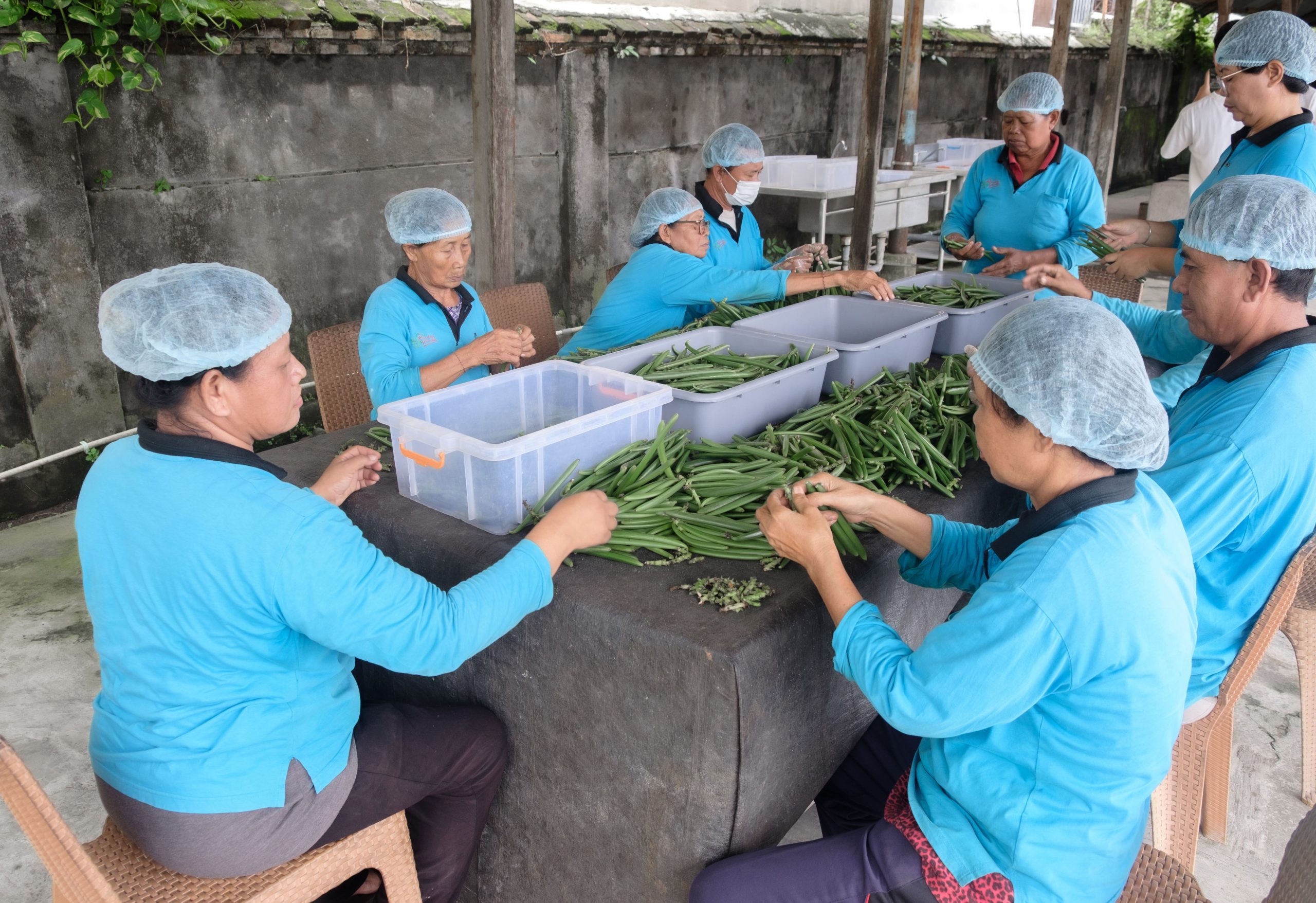
Harvesting Green Vanilla Beans
Harvest timing is important. Beans harvested too early may have lower quality, while waiting too long can increase the risk of splitting. Mature beans develop a lighter green colour with yellowing at the tip, indicating that they are ready for harvest.
After harvesting, the green beans move into the post-harvest stage, where the characteristic colour, aroma, and flavour of cured vanilla begin to develop.
At this point in the vanilla bean supply chain, the freshly harvested green beans begin their transition from an agricultural product into a processed ingredient.
Curing: Where Green Beans Become Vanilla
Freshly harvested green vanilla beans do not yet have the familiar characteristics of cured vanilla.
Curing is a gradual post-harvest process that typically includes stages such as killing or scalding, sweating, drying, and conditioning. The exact methods and duration can vary between producers and regions.
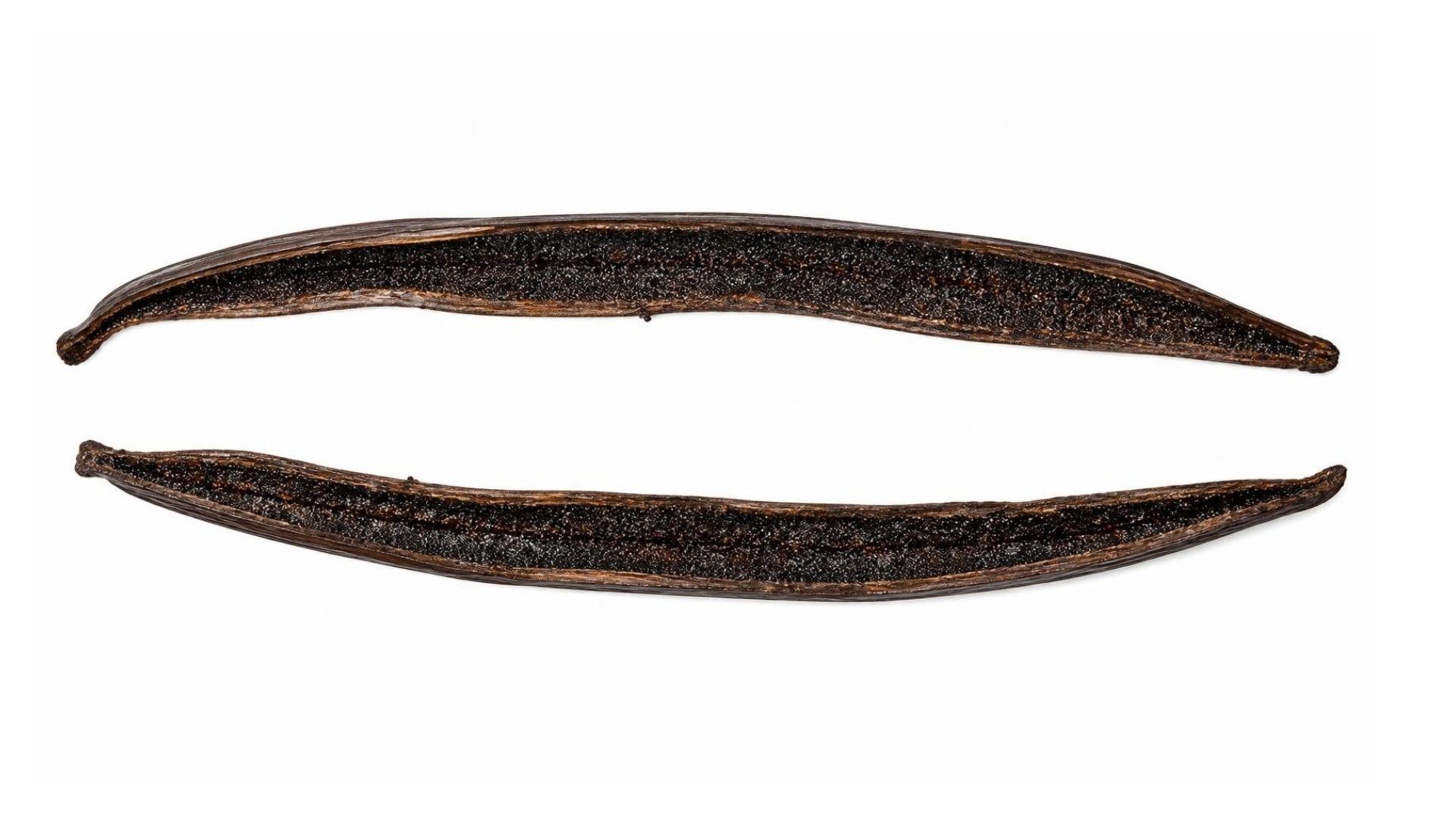
During curing, important chemical and physical changes take place, including the formation and release of vanillin and other aroma compounds associated with cured vanilla.
This makes curing one of the most important stages in the vanilla bean supply chain, as it is during this post-harvest process that the familiar characteristics of cured vanilla develop.
Grading, Quality Checking, and Packing
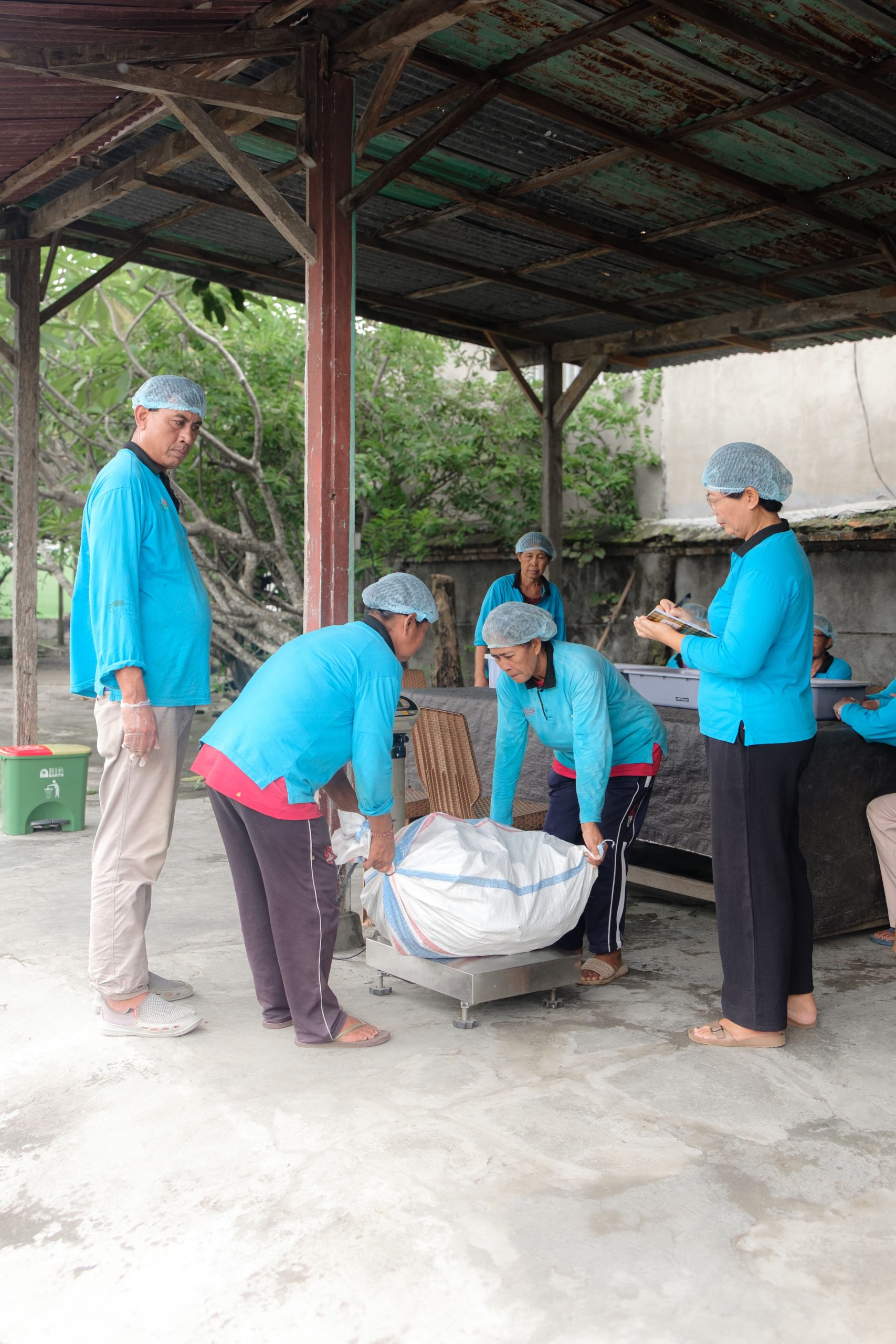
Once the beans have been cured and conditioned, they can be sorted and graded according to characteristics such as size, appearance, moisture, and other agreed specifications.
Quality checks and documentation also become important at this stage. The physical beans need to be connected with information about the relevant batch, specifications, testing, and shipment.
This is where quality control and traceability become part of the vanilla bean supply chain, helping maintain a clear connection between the product and its records.
For buyers and manufacturers, these steps provide important information about the ingredient they are receiving and its place within the wider vanilla bean supply chain.
From Cured Beans to the Final Product
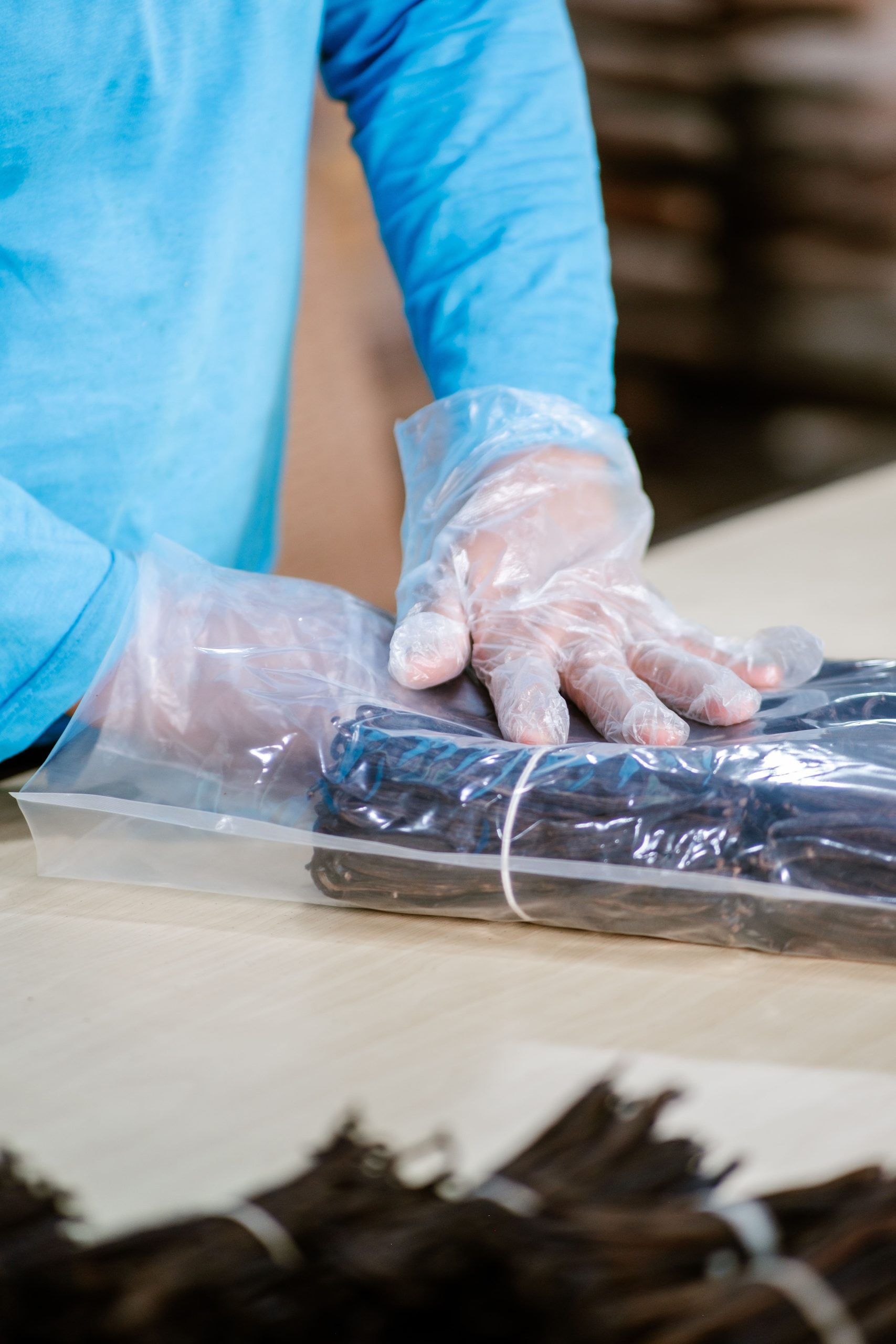
After packing, cured vanilla beans can enter different markets and applications. They may be supplied as whole beans or further processed into products such as vanilla powder, seeds, extracts, or flavour ingredients.
From there, vanilla can become part of many finished products, including bakery products, chocolate, ice cream, beverages, and other food applications.
The vanilla bean supply chain therefore does not end when the vanilla leaves the processing facility. It continues through logistics, ingredient processing, manufacturing, and eventually into the finished product.
From Farm to Finished Product
The vanilla bean supply chain is a series of connected stages rather than a single process.
A vanilla bean carries the result of many steps: cultivation and pollination, harvesting, curing, quality checking, packing, and distribution. Each stage can influence what ultimately reaches the manufacturer or end product.
Understanding the vanilla bean supply chain gives greater context to the ingredient itself and to the people and processes behind every vanilla bean.
At Rendah Vanilla, we pay close attention to the journey of our vanilla, from sourcing and processing to quality checking and distribution.
Explore our Indonesian Vanilla Beans or contact our team to discuss your requirements.