5 Fascinating Facts About Vanilla Bean Pods: What Is Inside?
Vanilla bean pods may look simple from the outside, but there is more inside than the familiar tiny black seeds. The pod contains several tissues and natural compounds that contribute to the aroma, appearance, and functionality of vanilla as an ingredient.
Understanding what is inside vanilla bean pods can also help explain why the whole pod remains valuable, even when the seeds are the most visible part.
Vanilla Bean Pods Are the Fruit of the Vanilla Orchid
What is commonly call a vanilla bean is actually the fruit or pod of the vanilla orchid.
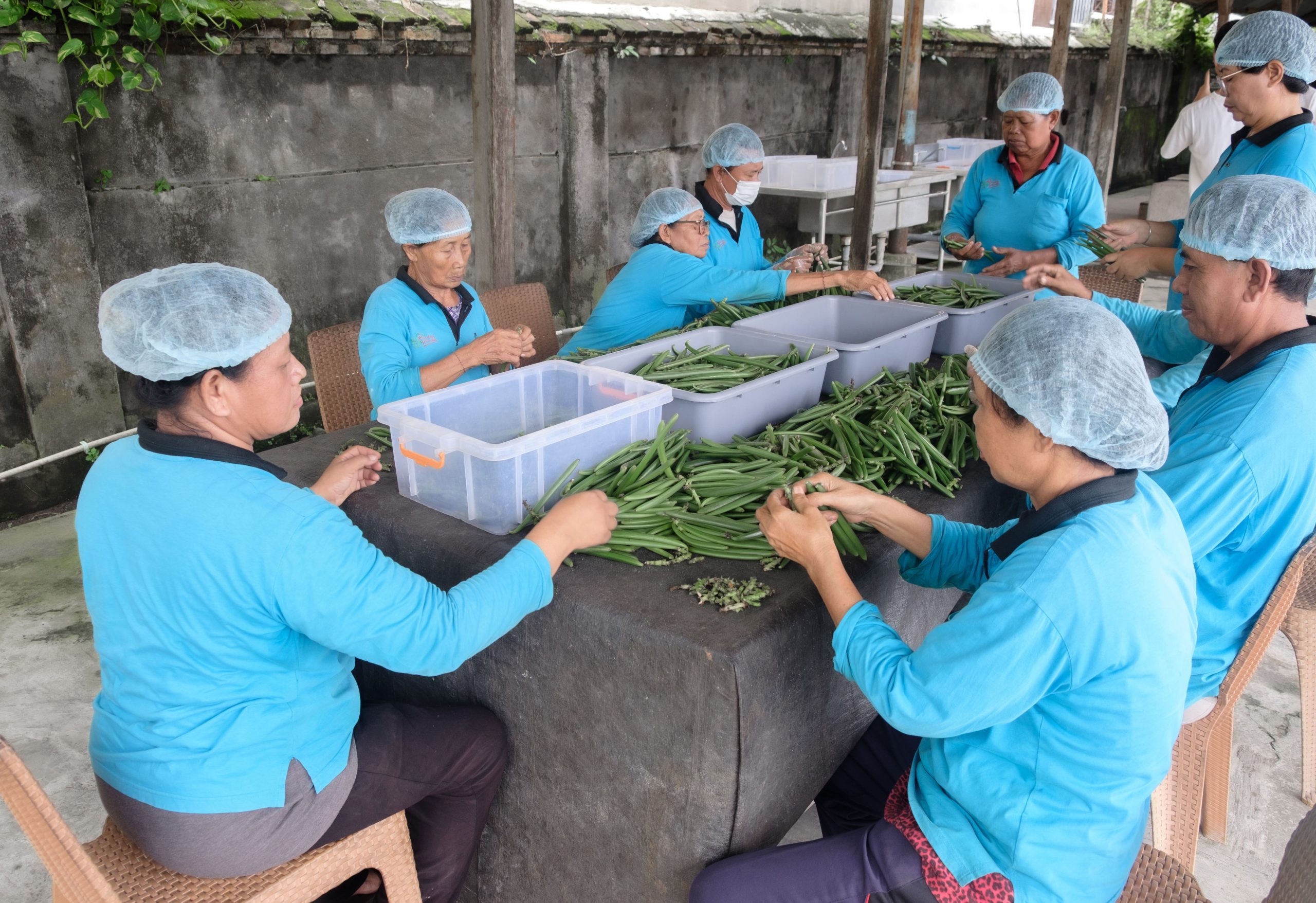
The pods develop after the flower has been successfully pollinated. They remain on the plant for several months before reaching maturity and are harvested while still green. At this stage, the pods do not yet have the familiar dark colour and characteristic aroma associated with cured vanilla.
Through curing, the green pods undergo a series of physical and chemical changes that develop the colour, texture, and aroma of the finished vanilla.
This means that the dark vanilla bean pods used as an ingredient are the result of much more than simply drying a fresh fruit.
The Black Seeds Are Only Part of the Story
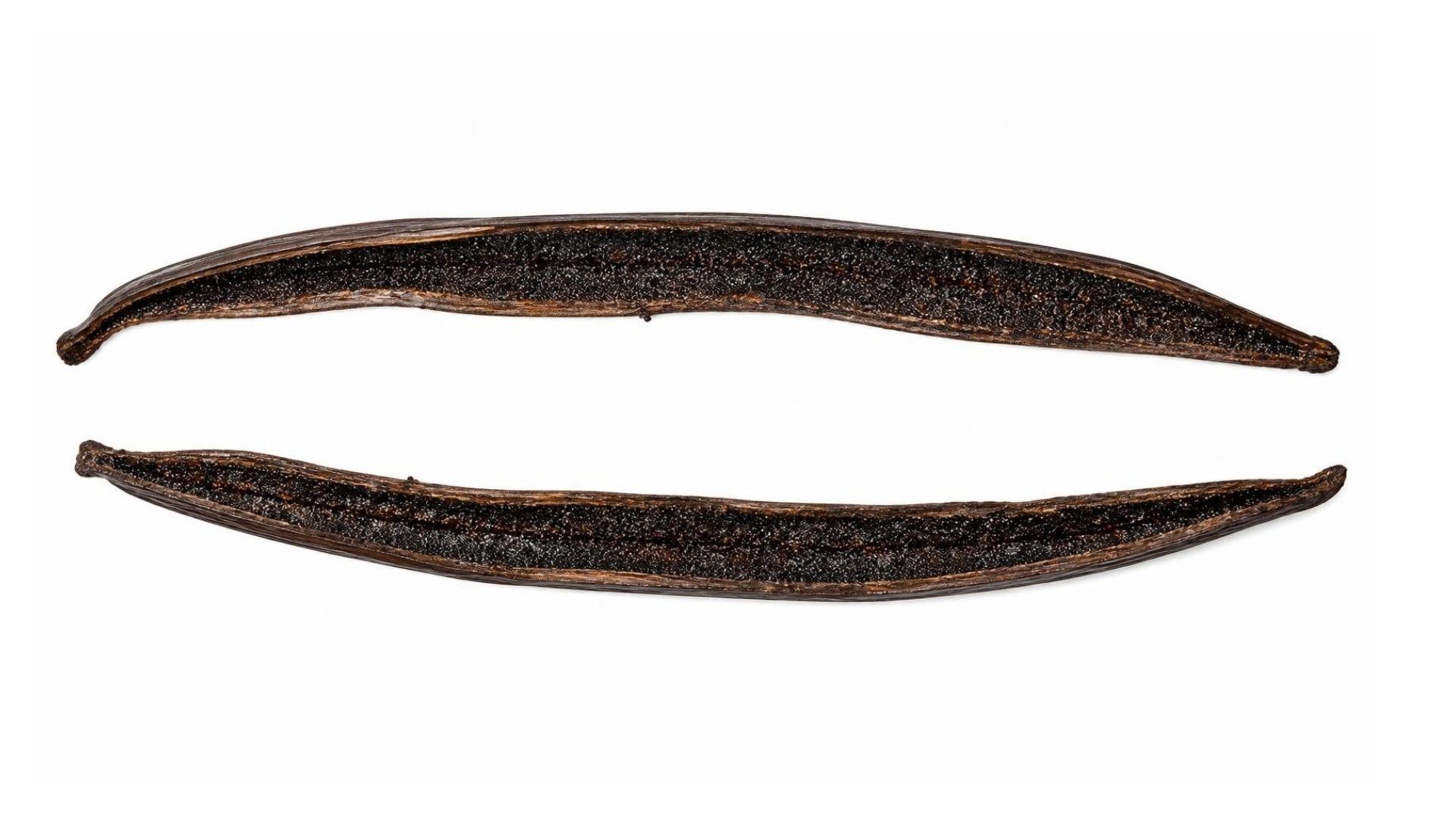
When a cured vanilla bean is opened, thousands of tiny dark seeds can be seen inside. These seeds are often the most recognisable feature of vanilla bean pods, particularly when they are used in products where visible vanilla specks are desirable.
The seeds are attached to tissues inside the pod and are surrounded by the natural material of the bean.
For applications such as ice cream, creams, fillings, desserts, and other products where appearance matters, the seeds can provide the characteristic visual impression of natural vanilla.
The Pod Itself Contains Important Vanilla Compounds
The outer pod is not simply a shell that holds the seeds.
During curing, biochemical reactions help transform the compounds inside the vanilla bean pod and contribute to the development of the familiar vanilla aroma.
This is one reason the entire vanilla bean pods can be valuable as an ingredient. The aromatic character of vanilla does not come from the black seeds alone.
In practical terms, the pod and the seeds work together as part of the natural vanilla ingredient.
Vanilla Bean Pods Contain More Than Just Vanillin
Vanillin is probably the compound most people associate with vanilla. It is an important contributor to the characteristic vanilla aroma, but natural vanilla is not simply vanillin.
Vanilla bean pods contain a wider range of compounds that contribute to their overall aromatic profile. This helps explain why natural vanilla can have different sensory characteristics, including floral, fruity, woody, spicy, or resinous notes depending on the variety.
This distinction is particularly relevant when evaluating vanilla bean pods for food applications.
Both the Seeds and the Pod Can Be Used
One of the most useful things to understand about vanilla bean pods is that the whole bean can have a purpose.
The seeds are often used when visible vanilla specks are desirable. They can be incorporated into products such as ice cream, bakery fillings, creams, sauces, and desserts.
The pod can also be used to infuse liquids, syrups, sugar, dairy bases, and other ingredients. Even after the seeds have been removed, the pod still contains aromatic compounds that can contribute to an infusion.
The choice between whole beans, seeds, powder, or other vanilla formats therefore depends on the intended application and the desired characteristics of the final product.
This also explains why vanilla bean pods should not be viewed simply as a container for the seeds.
Why the Whole Vanilla Bean Matters
In reality, vanilla bean pods are more complex.
The seeds provide the familiar appearance of natural vanilla, while the surrounding tissues contain compounds that contribute to the aroma and flavour that develop during curing. The pod itself can also continue to be used for extraction or infusion.
This is why the value of a vanilla bean is not determined by its seeds alone.
For ingredient applications, understanding the whole bean provides a better perspective on how vanilla can be used and why different formats can serve different purposes.
From the Inside Out
The black seeds may be the first thing noticed when a cured vanilla bean is opened, but they are only one part of the story.
Vanilla bean pods contain a combination of seeds, tissues, and natural compounds that work together to create the ingredient recognised as vanilla.
From cultivation and curing to the final food application, each part of the bean contributes to its character.
At Rendah Vanilla, Indonesian vanilla is processed with attention to the characteristics of the whole bean, from its appearance and texture to its aroma and final application. We also process the whole bean into different ingredient formats to suit different end-use requirements, including whole vanilla pods, ground vanilla powder, and vanilla seeds.
Explore our Indonesian vanilla beans and ingredient formats or contact our team to discuss the product format that may be suitable for a specific application.