Can Overly Dry Vanilla Beans Still Be Used? 5 Important Facts About Quality and Aroma?
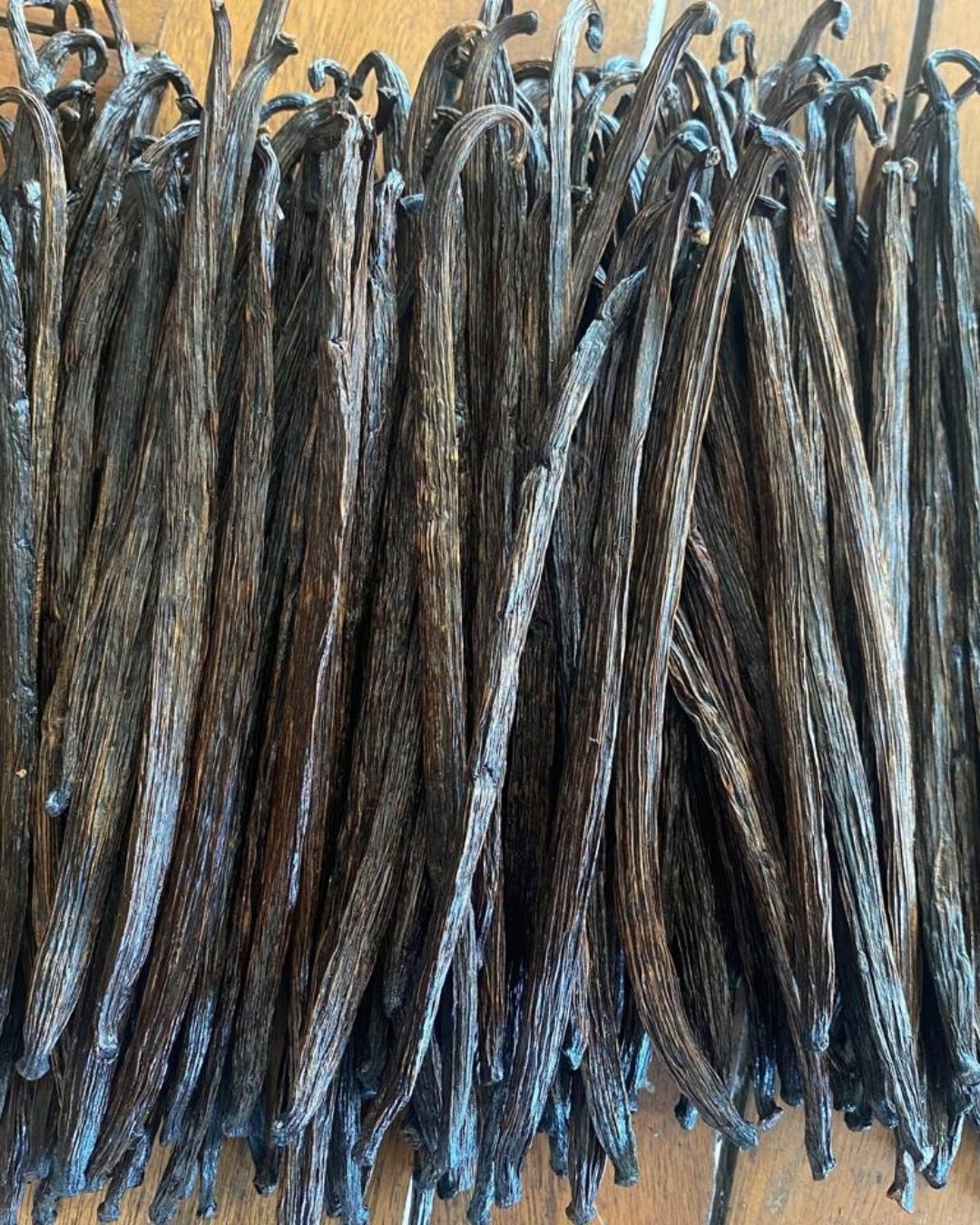
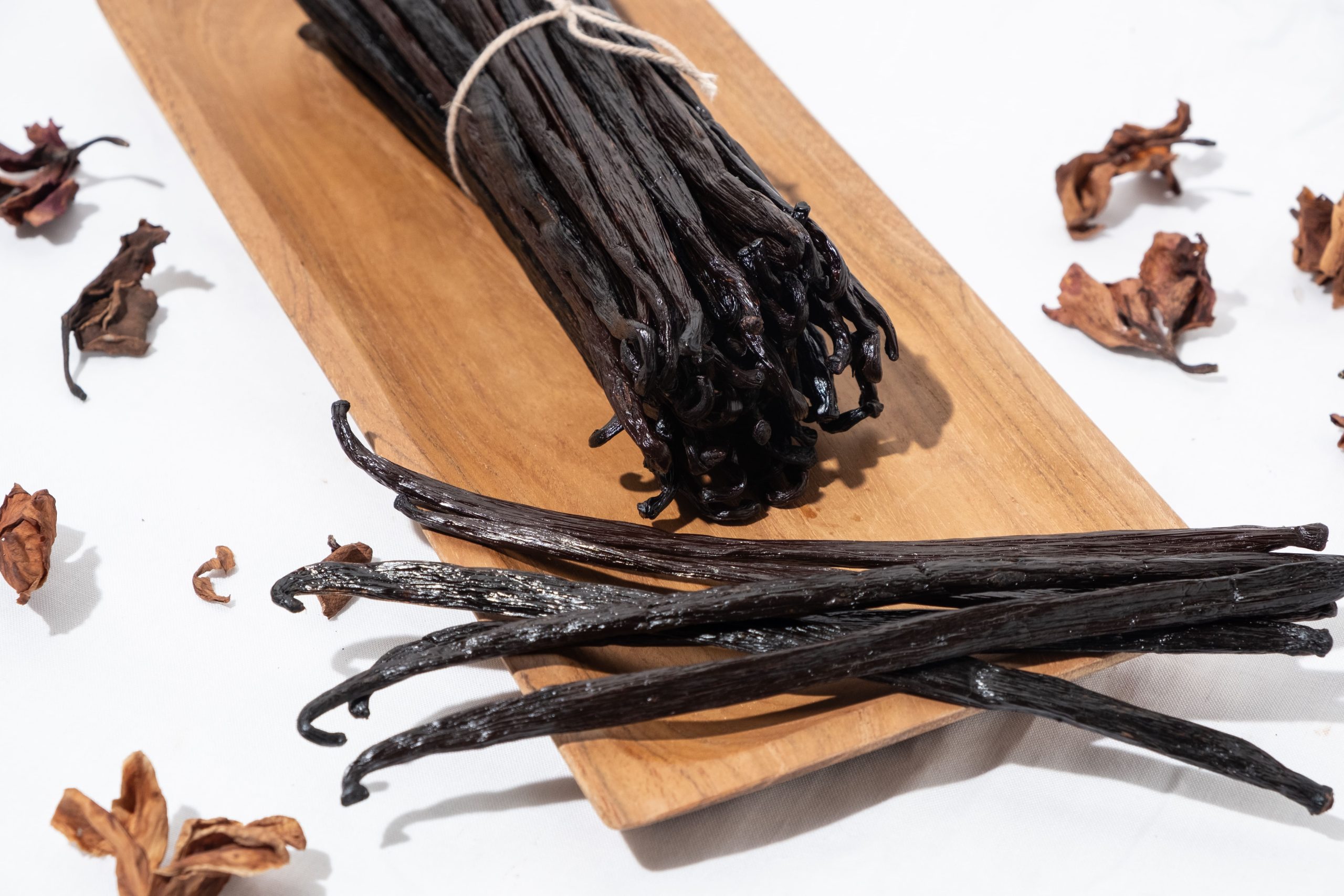
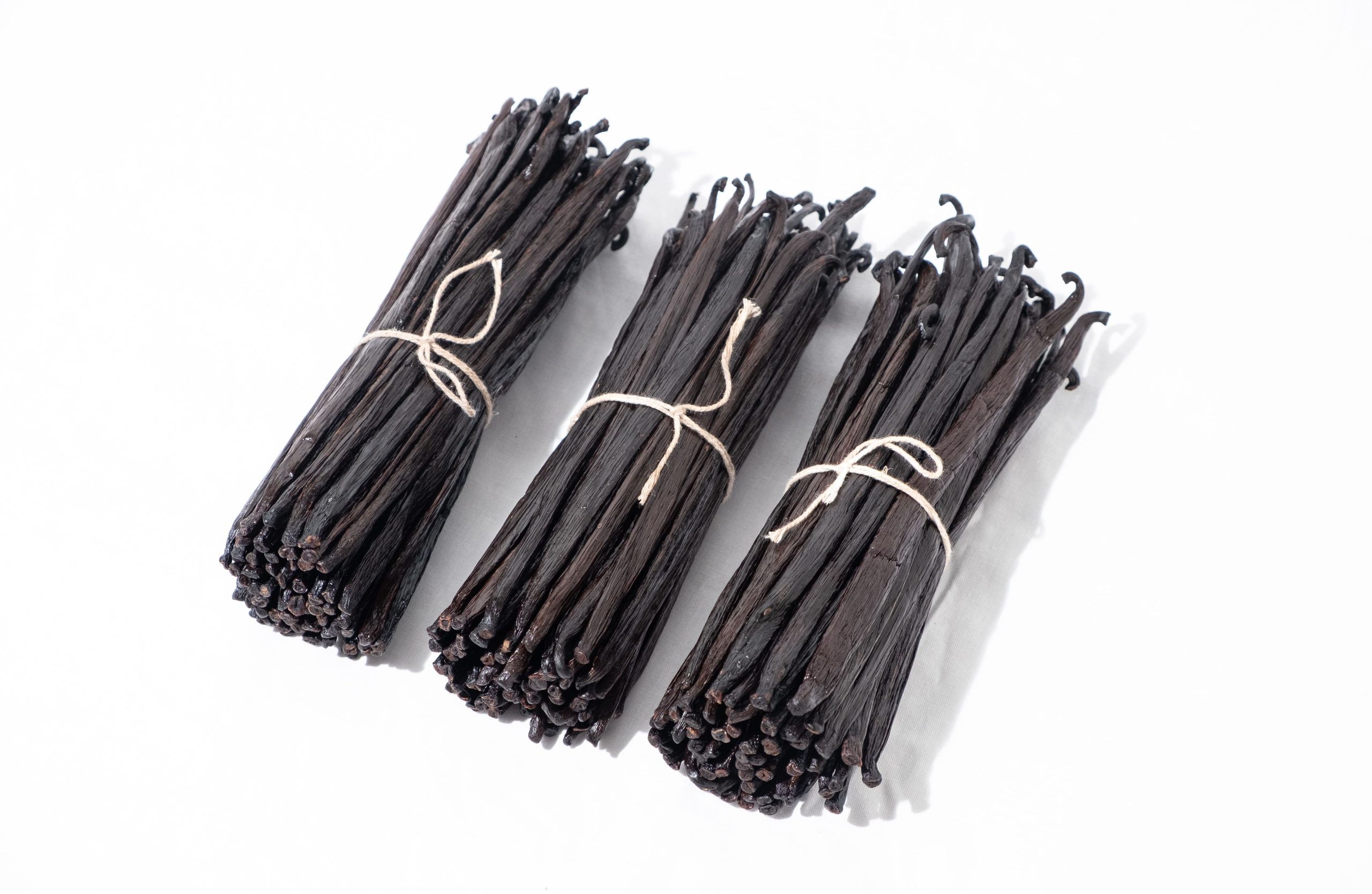
What is overly dry vanilla beans? They are beans that have lost more moisture than desirable for their intended grade or application.
Vanilla beans naturally undergo a curing process that develops their distinctive aroma, dark colour, and complex flavour. However, properly cured vanilla beans should generally retain some flexibility, depending on their moisture content, grade, and intended application.
So, what happens when vanilla beans become unusually dry, stiff, or brittle? Can they still be used?
The answer depends on their condition, storage history, and intended application. Vanilla beans that have become overly dry are not automatically unusable. However, excessive dryness may affect their flexibility, ease of handling, and suitability for certain applications. Buyers should also inspect the beans for signs of mould, contamination, or other quality defects before use.
Dry Vanilla Beans Are Not Always Poor-Quality Beans
One important distinction is that drying is a normal part of vanilla production.
After harvesting, green vanilla pods undergo curing, a process that includes sweating, drying, and conditioning. During this journey, the pods lose moisture while developing the characteristic colour and aroma associated with cured vanilla.
However, properly cured vanilla beans are different from beans that have become excessively dry during storage.
Well-cured beans may retain some flexibility and feel supple, depending on their grade and moisture content. Beans that have lost too much moisture may become stiff, hard, or brittle.
This distinction matters because appearance alone does not tell the whole story. A bean that looks less plump may still have a characteristic vanilla aroma, while a bean that looks attractive may not necessarily meet every quality requirement.
Aroma Is an Important Clue When Assessing Dried Vanilla Beans
Vanilla aroma is one of the most valuable characteristics of the finished ingredient. It is also an important consideration when assessing dry vanilla beans.
Vanilla’s familiar scent develops during curing, when changes within the pod help form vanillin and other aroma compounds. These compounds contribute to the distinctive sensory profile of vanilla.
When inspecting dry vanilla beans, pay attention to their characteristic aroma. A noticeable reduction in aroma may justify further evaluation, especially if the beans have also become excessively hard or brittle.
Unusual or unpleasant odors should also be taken seriously. They may indicate deterioration or unsuitable storage conditions.
Storage conditions and temperature can also influence the aroma and colour of vanilla beans over time.
Dryness Does Not Automatically Mean the Beans Have Lost All Their Value
Not every vanilla bean needs to have the same texture or appearance to suit a particular application.
For example, gourmet vanilla beans are often selected for their appearance, flexibility, and overall physical condition. Buyers using vanilla as a visible ingredient may place greater importance on plump, supple pods.
Other applications may focus more on aroma, flavour characteristics, and suitability for further processing. In these cases, beans with less attractive appearances may still be worth evaluating, provided they meet the buyer’s specifications and applicable food-safety requirements.
However, this does not mean that all dry vanilla beans can be used without further checks.
Excessively hard or brittle beans may be more difficult to handle, cut, or process. Their suitability will depend on the intended application, their sensory characteristics, and their overall condition.
It is also important to distinguish dry beans from exhausted vanilla beans. Exhausted beans have already undergone extraction to remove some of their flavour compounds. They are not simply beans that have lost moisture during storage.
Can Dry Vanilla Beans Be Restored?
If vanilla beans have become stiff or dry, it may be tempting to add moisture to make them soft again.
However, softening a bean does not necessarily restore its original quality. Adding moisture cannot reliably bring back aroma compounds that have been lost or reverse deterioration that has already occurred.
Before attempting to recondition dry vanilla beans, it is important to understand why they became dry and whether the product remains suitable for use.
If the beans are simply less flexible but otherwise appear normal, have a characteristic aroma, and show no signs of deterioration, their suitability may be assessed against the requirements of the intended application.
If they have visible mould, unusual odors, or other suspicious changes, do not assume that adding moisture will make them safe. Set them aside for appropriate evaluation rather than attempting to recover them for food production.
What Should Be Checked Before Using Dry Vanilla Beans?
Evaluating dry vanilla beans involves more than checking whether the pods feel soft.
Here are five practical checks to consider:
- Appearance and texture: Look for excessive brittleness, unusual surface changes, or damage that may affect handling and use.
- Aroma: Check whether the beans retain their characteristic vanilla scent and whether any unusual odours are present.
- Visible condition: Inspect for mould or other signs of deterioration. Do not assume that a dry product is automatically free from food-safety concerns.
- Storage and packaging history: Consider whether the packaging was properly sealed and whether the beans were kept under recommended conditions.
The key is to evaluate the product against clear requirements rather than relying on a single characteristic, such as texture or appearance.
From Dry Vanilla Beans to Better Purchasing Decisions
Can dry vanilla beans still be used? In some cases, yes. But the answer depends on how the beans were cured and stored, their current condition, and the application for which they are intended.
Dryness alone does not prove that vanilla beans are unusable. At the same time, a dry bean should not automatically be considered acceptable simply because it still has some aroma.
a balanced assessment of aroma, texture, visible condition, specifications, and storage history provides a more reliable basis for making decisions.
At Rendah Vanilla, we process and prepare Indonesian vanilla beans for different ingredient applications. Understanding the characteristics of vanilla beans helps to choose products that better match the quality expectations and intended use.
Explore our Indonesian vanilla beans to learn more about our product options. If you have specific requirements for grade, moisture content, or packaging, contact our team to discuss your needs.