7 Key Features That Define Good Quality Vanilla Beans
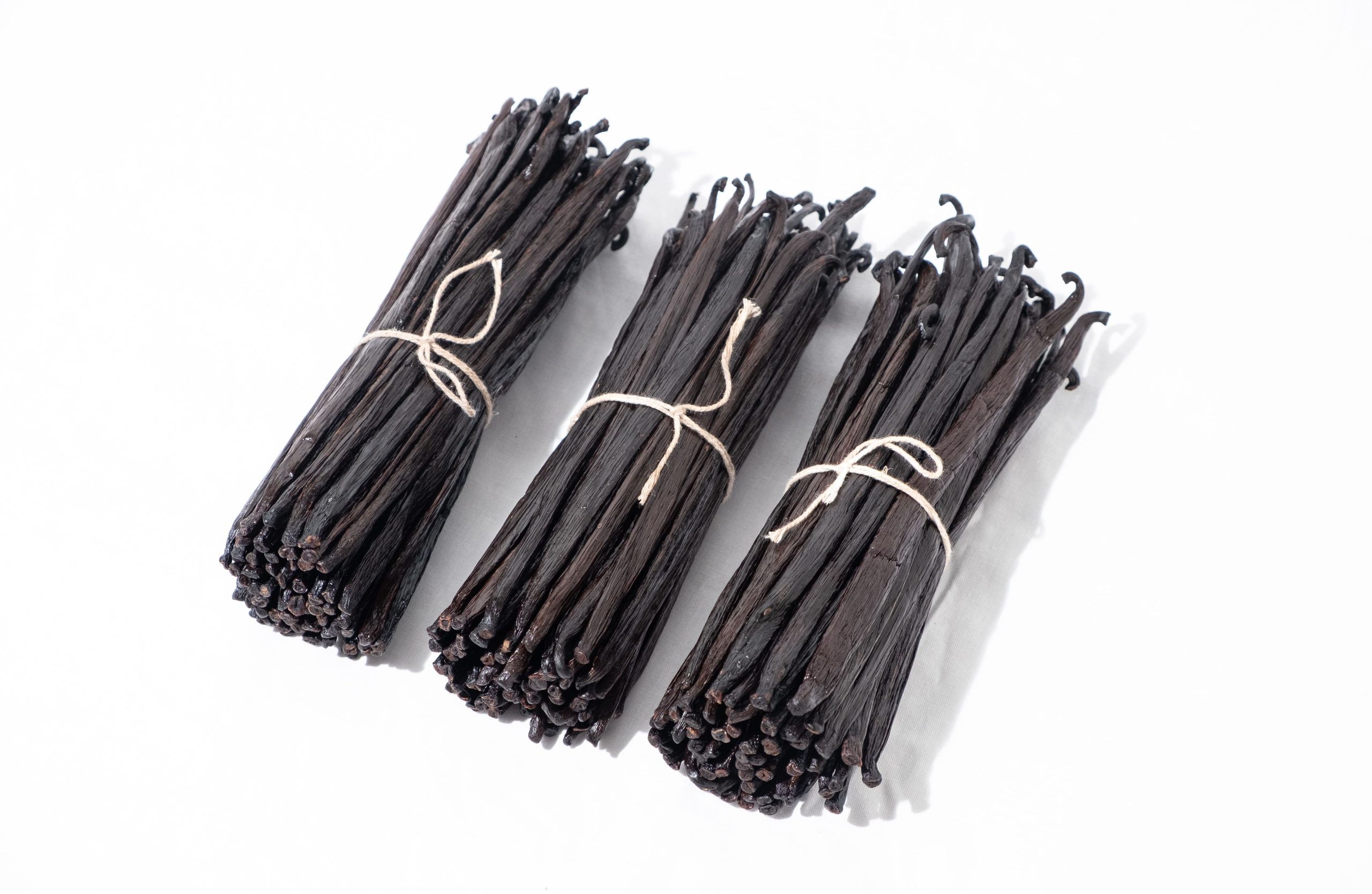
Choosing Good Quality Vanilla Beans involves more than looking for dark, plump pods. Aroma, texture, moisture, cleanliness, and consistency all contribute to how vanilla beans perform in food applications.
However, not every vanilla bean needs to look or feel exactly the same. Variety, curing method, grade, and intended use can all influence its characteristics. The key is knowing what to look for and how to assess the overall condition of the beans.
Understanding these characteristics can help to identify good quality vanilla beans that match the product specifications and intended use.
A Characteristic, Pleasant Vanilla Aroma
Aroma is one of the first things to assess when evaluating good quality vanilla beans. Properly cured vanilla develops its characteristic fragrance during processing, as vanillin and other aroma compounds form and change.
Depending on the variety, origin, and curing process, vanilla beans can develop a range of aroma notes, including sweet, creamy, woody, floral, and other nuanced characteristics. Indonesian Planifolia vanilla is often associated with a sweet, slightly woody aroma, reflecting its distinctive chemical composition.
Be cautious if the beans have an unusual sour, musty, rancid, or chemical-like smell. These odours may indicate a quality issue, although smell alone cannot establish the cause or determine whether a product is safe.
Aroma is particularly important for manufacturers because the desired flavour profile depends on the final application. A bean selected for a vanilla-forward product may have different requirements from one intended for a more complex flavour formulation.
A Natural, Consistent Appearance
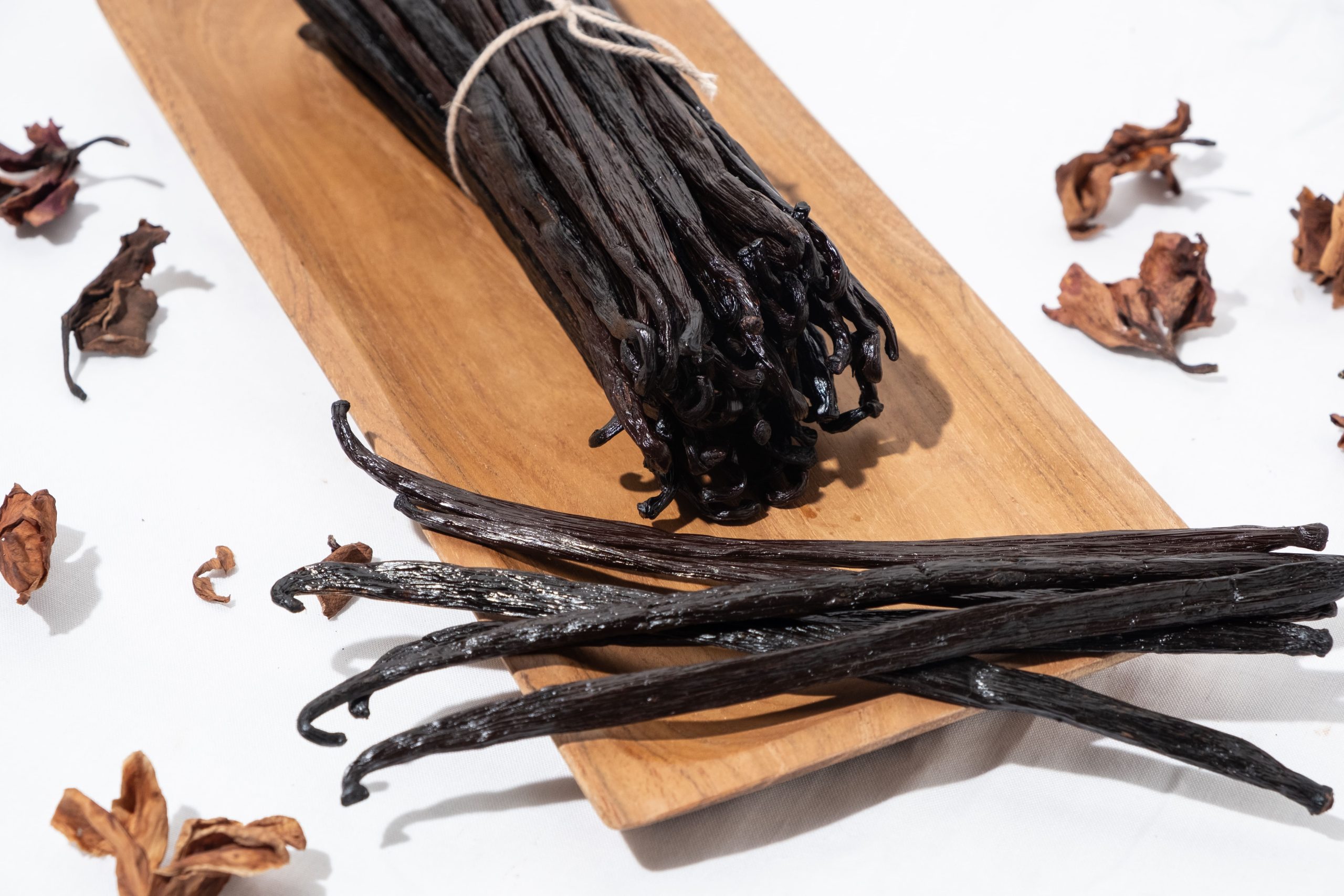
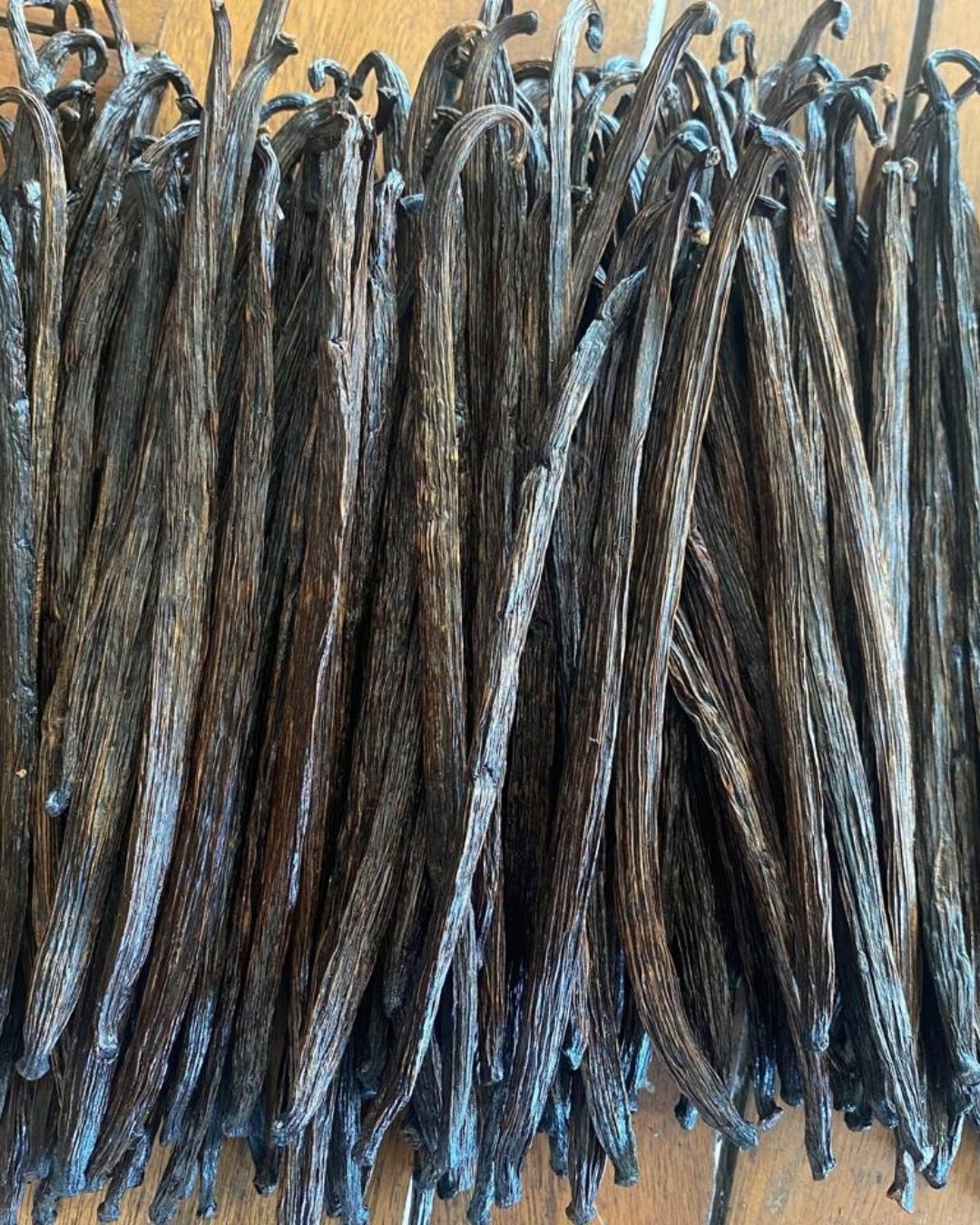
Cured vanilla beans are commonly dark brown to nearly black, but colour can vary with the variety, curing process, and grade. Some beans may appear glossier than others, while natural wrinkles and minor surface differences are not necessarily signs of poor quality.
When inspecting Good Quality Vanilla Beans, look for a reasonably consistent appearance within the agreed grade. Check for unexpected discolouration, suspicious surface growth, insect damage, or other visible defects.
It is also important to understand that a dark colour does not automatically mean a bean has a strong aroma or high vanillin content. Visual inspection is a useful first step, but it cannot replace sensory assessment or laboratory testing when these are required.
A Texture That Matches the Intended Grade
Texture can tell buyers something about a vanilla bean’s physical condition. Gourmet-style beans are often expected to be plump and supple, with enough flexibility to bend without immediately breaking. Other grades may naturally be thinner, drier, or less flexible.
Good Quality Vanilla Beans should have a texture that matches the specifications and intended use. For example, appearance and flexibility may be particularly important for products where whole pods are displayed or sold individually.
Very stiff or brittle beans deserve closer inspection, especially if the product was expected to be supple. However, dryness alone does not automatically make a bean unusable. The aroma, storage history, visible condition, and suitability for the intended application should also be assessed.
Appropriate Moisture Content
Moisture content is an important factor when assessing good quality vanilla beans because it affects their physical condition and storage stability.Beans with more moisture may feel softer and more flexible, while drier beans may feel firmer or become brittle.
However, more moisture does not automatically mean better quality. Excessive moisture, especially when combined with unsuitable storage conditions, can increase the risk of mould and deterioration.
The appropriate moisture level depends on the variety, grade, processing method, and buyer’s requirements. Good Quality Vanilla Beans should therefore be assessed against a clear product specification rather than a single universal moisture target.
Suitable Length and Physical Condition
Vanilla beans are sold in different lengths and grades. Longer pods may be preferred for certain gourmet presentations, while shorter beans or broken pieces may be suitable for other food applications.
Length should be considered alongside other quality indicators. A long bean is not automatically better than a shorter one if its aroma, condition, or other specifications do not meet the requirements.
Clean Beans Without Suspicious Growth or Contamination
Vanilla beans should be checked for visible mould, insect activity, foreign matter, and other signs of contamination or deterioration.
Not every white mark on a vanilla bean is necessarily mould, but appearance alone may not be enough to identify an unfamiliar substance. If there is suspected mould or an unexplained change in condition, the beans should be isolated for proper evaluation rather than simply brushed off or mixed with other stock.
Good Quality Vanilla Beans must meet the relevant hygiene and food-safety requirements for their intended use. A pleasant aroma or attractive appearance cannot, by itself, prove that a product is safe.
Making Better Vanilla
Understanding the signs of Good Quality Vanilla Beans can help to look beyond appearance and focus on the characteristics that matter for their products. Aroma, texture, moisture, cleanliness, and consistency all contribute to the assessment, but the right balance depends on the intended use and agreed specifications.
At Rendah Vanilla, we process and prepare Indonesian vanilla beans for food manufacturers, ingredient buyers, and distributors. Our approach focuses on product specifications, grading, and preparation to help evaluate options for the requirements requested. These characteristics help to assess good quality vanilla beans according to their intended use and agreed specifications.
Explore our Indonesian vanilla beans or contact our team to discuss more about your requirements.
More to Read