5 Surprising Differences Between Natural Vanilla and Artificial Vanilla

Natural vanilla is recognised for its warm, sweet, and familiar aroma. Yet, when compared with artificial vanilla, the two can smell surprisingly similar at first. Both can provide the characteristic vanilla scent found in ice cream, desserts, beverages, and other products. So, why does natural vanilla often have a different aroma from artificial vanilla?
The answer lies in their composition. While vanillin is the main compound responsible for the familiar vanilla smell, vanilla from cured pods contains many other aroma compounds that contribute to its distinctive character. Understanding these differences reveals why natural vanilla offers more than just a sweet, vanilla-like scent.
They Come from Different Sources
One of the most obvious differences between natural vanilla and artificial vanilla is their source.
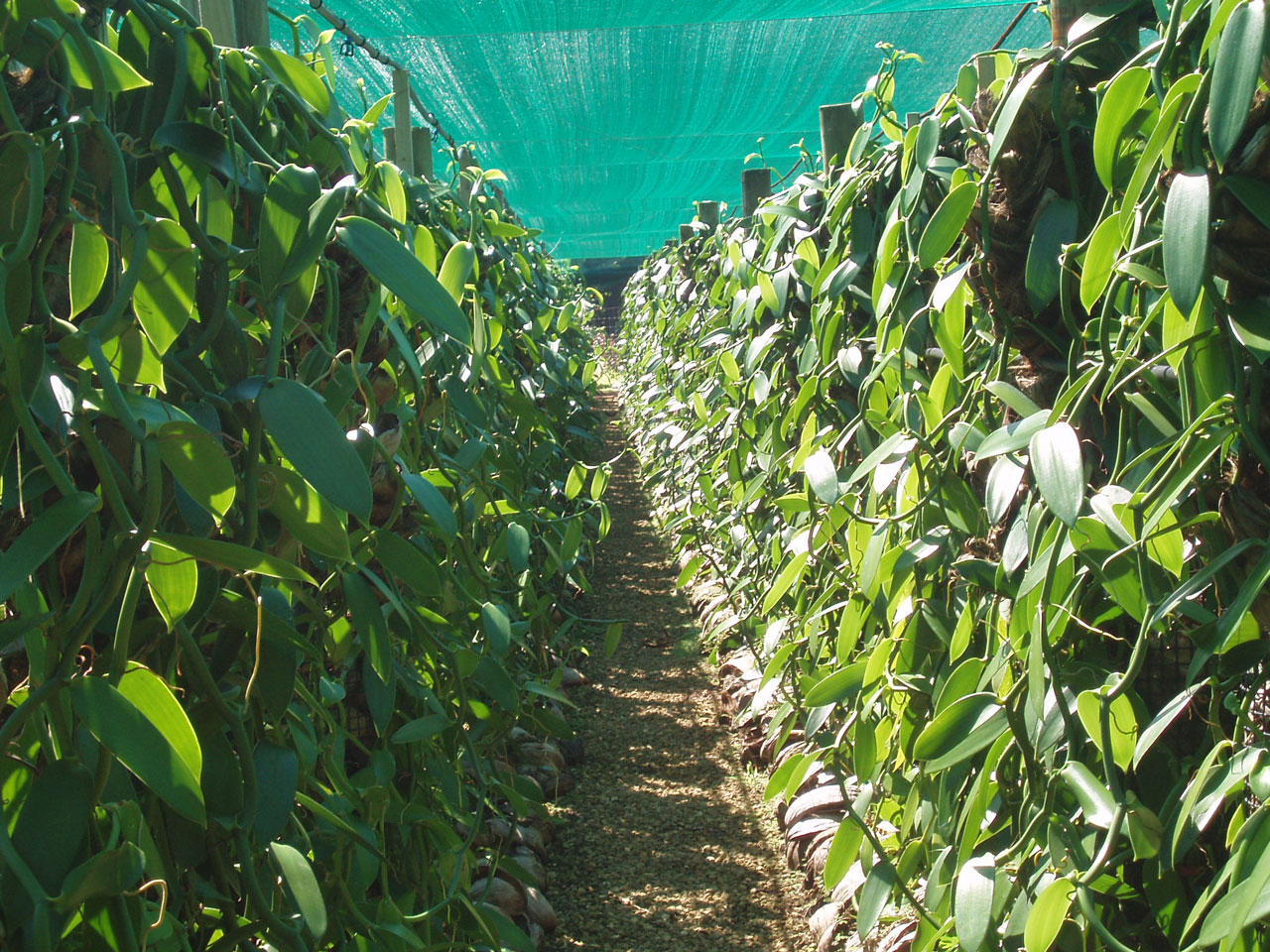
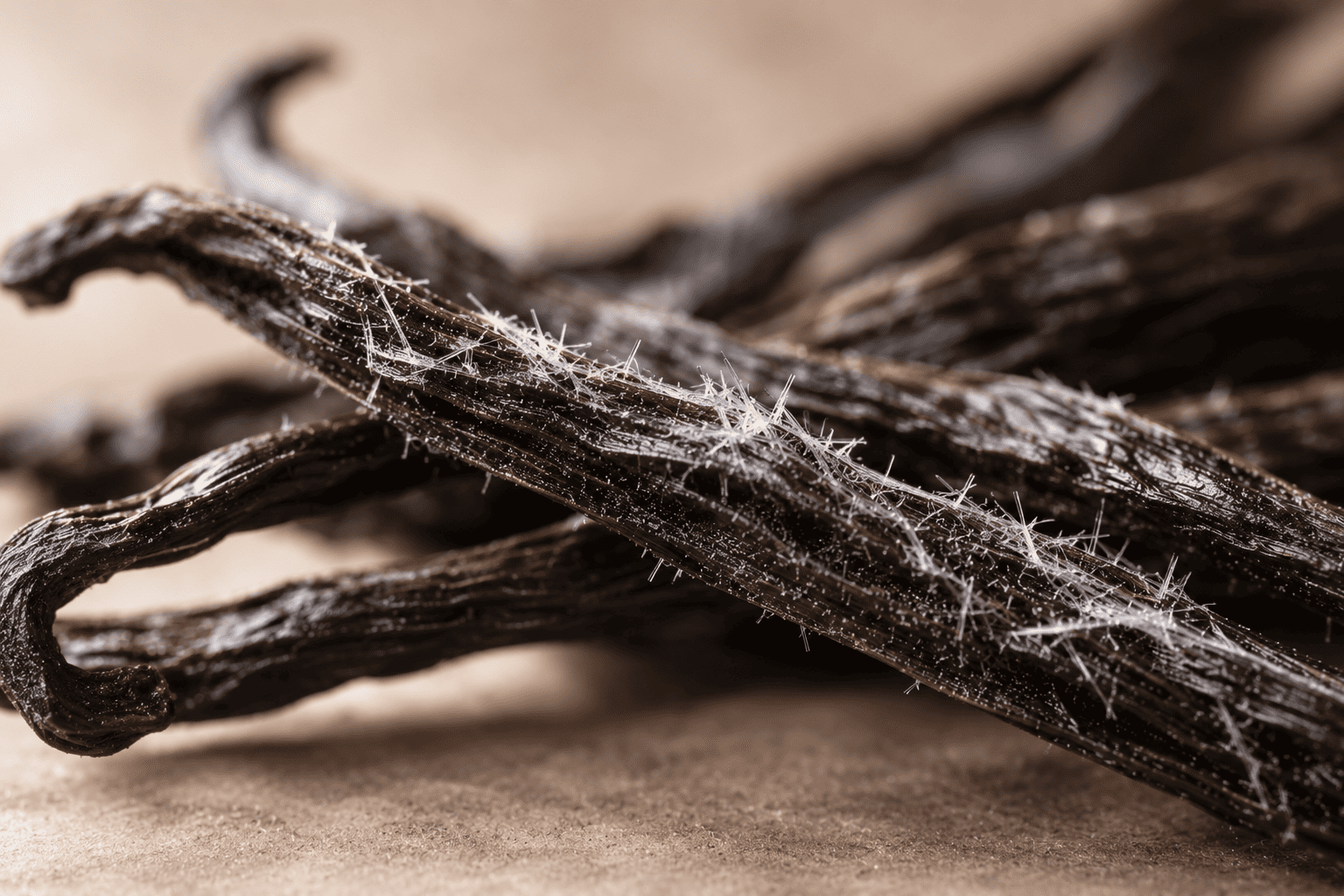
Real vanilla comes from the cured pods of vanilla orchids, particularly Vanilla planifolia and Vanilla tahitensis. The pods undergo several post-harvest processes, including killing, sweating, drying, and conditioning. During curing, chemical and enzymatic changes help develop the characteristic aroma of vanilla.
Natural vanilla extract is produced by extracting flavour compounds from these cured pods, commonly using a mixture of water and alcohol. The resulting extract contains a combination of substances naturally present in the vanilla beans.
Artificial vanilla flavour, on the other hand, commonly relies on vanillin produced through processes that do not require vanilla pods. Synthetic vanillin can be manufactured from different starting materials through chemical processes.
Although both sources can provide a recognisable vanilla aroma, their production methods result in different compositions. This is the first reason natural vanilla and artificial vanilla may smell different.
Natural Vanilla Contains More Than Just Vanillin
Vanillin is the main aroma compound associated with natural vanilla. It is responsible for much of the familiar sweet, warm, and creamy smell people recognise.
However, the cured pods contains considerably more than this single compound. Some compounds contribute floral, fruity, woody, spicy, or sweet characteristics. Their presence and relative concentrations help create the distinctive aroma profile of natural vanilla.
This explains why vanilla extract can smell more layered than artificial vanilla flavouring based mainly on vanillin.
Artificial vanilla can reproduce the familiar vanillin character, but a formulation containing only vanillin does not provide the same range of compounds found in a natural vanilla extract.
The complexity of real vanilla comes from the combination of its aroma compounds, rather than vanillin alone.
Their Aroma Profiles Can Feel Different
Have you ever noticed that some vanilla products smell strongly sweet, while others have additional floral, woody, or slightly fruity notes?
This difference can be related to the composition of the flavouring.
Artificial vanilla flavour based mainly on vanillin often provides a straightforward, recognisable vanilla scent. Its aroma can be consistent and familiar, making it useful in many food applications.
Extracts made from real vanilla, however, can offer a broader aroma experience. Depending on its variety, origin, and curing process, it may have additional notes that make its scent more distinctive.
For example, Vanilla planifolia is commonly associated with a rich, sweet, and warm aroma. Vanilla tahitensis can have more pronounced floral and fruity characteristics.
These descriptions are general sensory tendencies, not fixed characteristics of every bean.
The aroma can also vary between harvests and growing regions. This variation is part of what makes natural vanilla interesting: its fragrance is influenced by more than one chemical compound or production factor.
The Same Vanillin Molecule Can Come from Different Sources
Here is one of the most interesting facts about natural vanilla and artificial vanilla: vanillin is vanillin, regardless of its source.
When chemically identical, natural and synthetic vanillin have the same molecular structure. This means the vanillin molecule itself does not become a different substance simply because it was obtained through a different production method.
So, why can the finished flavour still smell different?
The difference comes from the other compounds present alongside vanillin.
Extracts made from vanilla pods contains a mixture of compounds extracted from the pods. Artificial vanilla flavouring may contain primarily synthetic vanillin or a formulated combination of flavour compounds.
This distinction is important because natural vanillin and natural vanilla extract are not interchangeable terms. Natural vanillin refers to one compound obtained from a natural source, while natural vanilla extract contains a much wider mixture of extracted compounds.
Natural Vanilla Reflects Its Growing and Curing Conditions
Another fascinating difference is that natural vanilla carries characteristics influenced by its journey from the farm to the finished product.
Unlike isolated vanillin, natural vanilla develops through several stages of agricultural production and processing.
Growing conditions, vanilla variety, maturity at harvest, and curing practices can all influence the final aroma. During curing, the pods undergo biochemical changes that help develop their characteristic flavour.
This means two batches of natural vanilla may not have exactly the same aroma, even when they come from the same species.
Artificial vanilla flavouring can offer greater consistency because its composition can be controlled during production. Natural vanilla, in contrast, reflects the characteristics of the agricultural product and the way it has been processed.
Neither characteristic automatically makes one flavouring suitable for every application. The choice depends on the aroma, flavour, consistency, and characteristics desired in the final product.
Why Does Natural Vanilla Smell Different from Artificial Vanilla?
The main difference between natural vanilla and artificial vanilla is not simply that one smells like vanilla and the other does not. Both can provide the familiar aroma associated with vanillin.
The distinction lies in their composition and the range of aroma compounds contributing to their overall character.
Natural vanilla offers a complex combination of compounds influenced by its botanical origin, growing conditions, harvest, and curing process. Artificial vanilla flavouring can provide a recognisable and consistent vanilla aroma, often through vanillin.
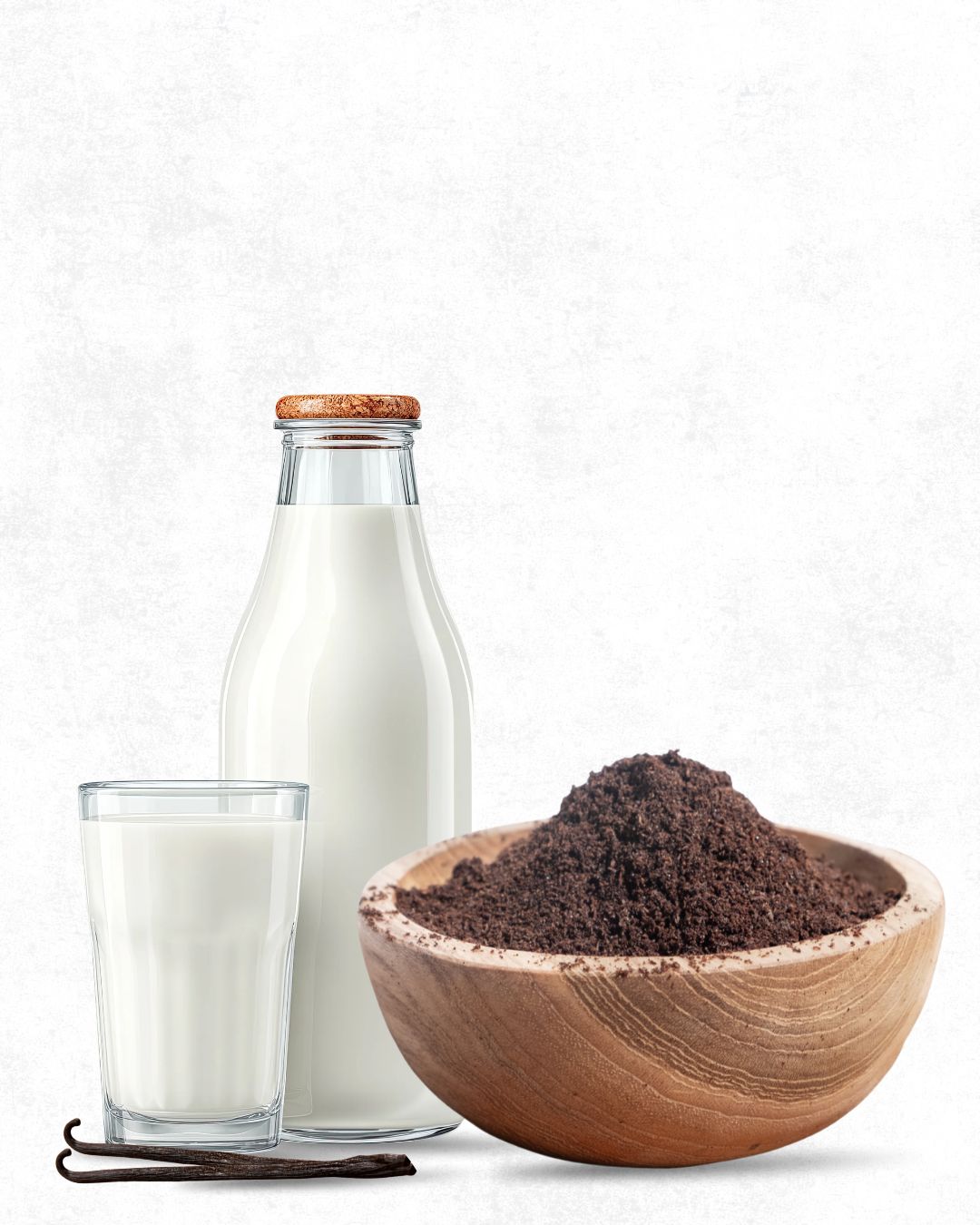
At Rendah Vanilla, we work with Indonesian vanilla in different forms, including whole beans, ground powder, and seeds. Each form offers different characteristics and possibilities for food applications.
Understanding what makes natural vanilla distinctive is a useful first step in appreciating the aroma, complexity, and journey behind every vanilla pod.
Discover more about Indonesian vanilla or contact our team to learn more about our products.