5 Critical Ways the Vanilla Supply Chain Is Disrupted by Extreme Weather
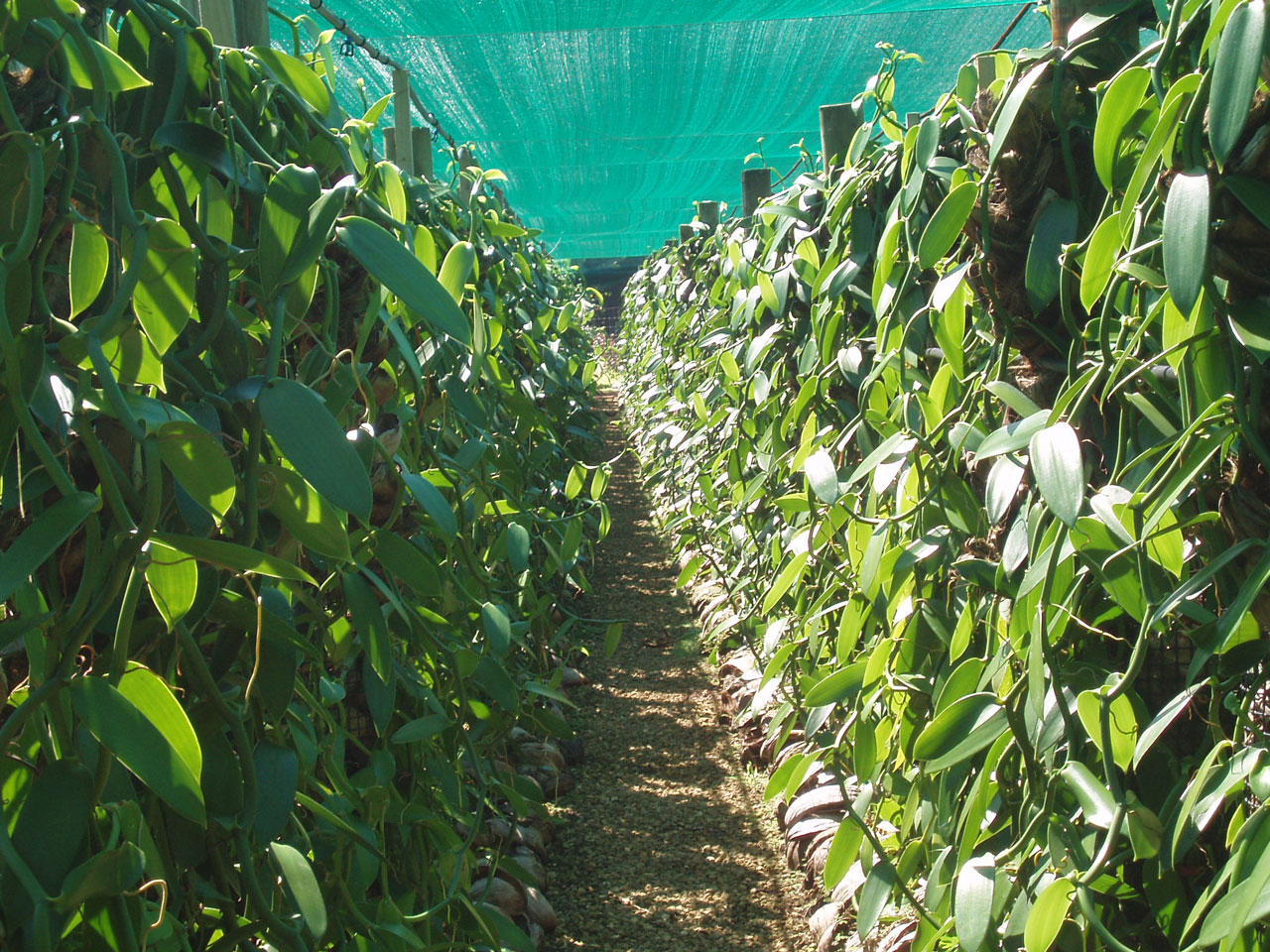
The vanilla supply chain is closely connected to environmental conditions because vanilla is a natural agricultural product. From flowering and pod development to harvesting and processing, each stage is influenced by the weather. When extreme weather affects vanilla-growing regions, the consequences can extend far beyond the farms themselves.
The impact is not limited to a smaller harvest. Extreme rainfall, drought, high temperatures, and tropical cyclones can create challenges throughout the vanilla supply chain, affecting the quantity of available beans, processing schedules, product quality, transportation, and export timelines.
Understanding these connections helps explain why weather conditions in one growing region can have wider effects on the global vanilla supply chain.
Extreme Weather Can Reduce Vanilla Harvest Volumes
One of the most immediate effects of extreme weather is its impact on vanilla production.
Vanilla plants require suitable growing conditions to flower and develop healthy pods. Although the crop grows in warm, humid tropical environments, it also needs seasonal variations in rainfall. Excessive rain during certain stages can interfere with flowering and fruit development, while prolonged drought can place stress on the plants.
High temperatures and irregular rainfall can also affect the development and retention of vanilla pods. In severe cases, flowers or developing fruits may be damaged or fall before reaching maturity.
Tropical cyclones present another serious risk. Strong winds and heavy rainfall can damage vanilla-growing areas and destroy part of the standing crop.
When these conditions occur during important stages of the growing cycle, the result may be a smaller harvest than expected. This directly affects the vanilla supply chain, as fewer green beans become available for collection, processing, and export.
A reduction in harvest volumes can also affect the amount of cured vanilla available in the following months, making supply availability less predictable. As a result, the vanilla supply chain may experience tighter raw material availability even after the immediate weather event has passed.
Harvesting and Collection Can Become More Difficult
Even when vanilla pods survive extreme weather, collecting them and moving them to processing locations can become more challenging.
Heavy rainfall can make rural roads difficult to access, particularly in remote agricultural areas. Flooding, landslides, damaged bridges, and poor road conditions may interrupt transportation between growing communities and local collection or processing facilities.
This is particularly important because freshly harvested green vanilla beans require timely post-harvest handling. Delays between harvesting and processing can create additional quality risks.
The vanilla supply chain depends not only on agricultural production but also on reliable connections between growing areas and processing facilities.
Processing and Curing Schedules Can Be Delayed
Harvesting is only the beginning of vanilla production. Fresh green beans must go through curing before they develop the familiar aroma and characteristics associated with commercial vanilla.
Traditional curing generally involves several stages, including killing, sweating, drying, and conditioning. Some of these processes rely on environmental conditions, particularly temperature, humidity, airflow, and sunlight.
For example, traditional Indonesian curing methods include cycles of sunning and sweating. The duration of certain stages can vary depending on weather conditions.
During periods of prolonged rainfall or high humidity, sun-drying schedules may become less predictable. Reduced sunlight can slow the drying process, while excessive moisture can increase the need for careful monitoring to prevent fungal damage.
These conditions can extend processing timelines and affect how quickly cured beans are ready for sorting, grading, and packing.
As a result, weather-related interruptions at the processing stage can create a knock-on effect throughout the vanilla supply chain. Even when harvesting has been completed, the finished product may not be available for distribution as originally expected.
This means that disruptions during curing can affect not only production schedules but also the timing of finished vanilla becoming available for export. When processing takes longer than planned, other stages of the vanilla supply chain, including packing and shipment preparation, may also need to be adjusted.
Vanilla Quality and Available Grades May Become Less Predictable
Extreme weather can also influence the characteristics and quality of the final product.
Growing conditions, maturity at harvest, and curing practices all contribute to the physical and aromatic characteristics of vanilla beans. When weather disrupts these stages, the resulting crop may not have the same characteristics as previous harvests.
For instance, excessive rainfall and unfavourable growing conditions can increase the risk of crop damage and fruit loss. Meanwhile, interruptions during drying and curing may make it more difficult to maintain consistent processing conditions.
This does not mean that every weather-affected harvest will produce poor-quality vanilla. The actual outcome depends on the severity and timing of the weather event, as well as how the beans are handled afterward.
However, it can create greater variation between batches. The quantity of beans meeting particular specifications may change, and the availability of certain grades or sizes may become more limited.
For the vanilla supply chain, this means that the total harvest volume does not always reflect the quantity of finished vanilla suitable for export. Processing outcomes and final grading also influence how much product becomes commercially available.
Export Availability, Delivery Schedules, and Prices Can Change
The effects of extreme weather can eventually reach international markets.
When harvest volumes decline, collection is interrupted, or curing takes longer than expected, the amount of finished vanilla available for export may decrease. Transportation problems can create additional delays before products reach export facilities.
These challenges can make supply planning more difficult. Export schedules may need to be adjusted, available quantities may change, and delivery lead times can become less predictable.
Price movements can also follow supply disruptions. When demand remains relatively stable while the available quantity of vanilla decreases, market prices may experience upward pressure.
This is why the vanilla supply chain can be affected in several interconnected ways. A weather event in one growing region may influence not only local production but also the availability and pricing of vanilla in international markets.
Why Weather Stability Matters to the Vanilla Supply Chain
Vanilla production involves a long process that extends well beyond harvesting. Growing, collecting, curing, conditioning, grading, packing, and exporting all contribute to the availability of finished products.
Extreme weather can interrupt several of these stages at once. A cyclone may damage crops and infrastructure, while prolonged rainfall can affect both harvesting access and drying schedules. These challenges can result in lower available volumes, longer processing times, and changes in export availability.
The vanilla supply chain is therefore closely connected to the environmental conditions of its growing regions. Although not every weather event leads to a major disruption, severe or poorly timed conditions can create challenges that continue long after the weather has passed.
At Rendah Vanilla, we understand that the journey from harvested pods to export-ready vanilla involves several important stages. We work with farming partners across the Indonesian archipelago to support a more reliable supply of Indonesian vanilla.
Explore our Indonesian vanilla beans or contact our team to discuss your requirements and supply planning.