5 Essential Facts About Vanilla Bean Moisture Content and Why It Matters
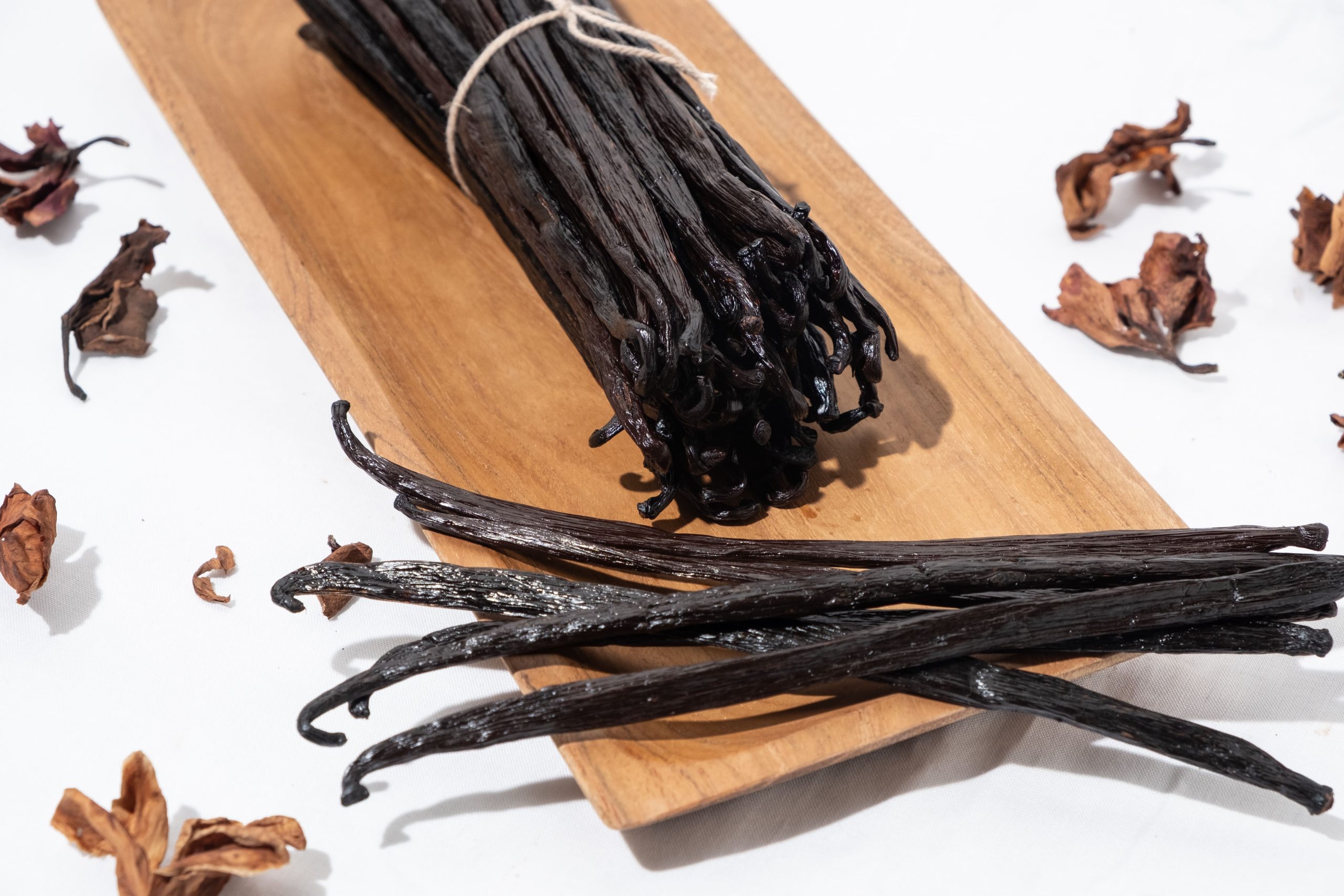
Vanilla bean moisture content plays an important role in determining the quality, texture, aroma retention, and storage stability of vanilla beans. While many people focus on characteristics such as size, appearance, or aroma, water balance l is one of the key factors that influences how well vanilla beans maintain their quality over time.
Maintaining the right vanilla bean moisture content begins with careful curing and drying. Too little moisture can affect flexibility, whereas excess water retained after curing can increase quality risks. Understanding this quality parameter helps explain why properly cured vanilla beans maintain their characteristic texture, aroma, and shelf life.
What Is Vanilla Bean Moisture Content?
Vanilla bean moisture content refers to the percentage of water remaining inside the beans after they have gone through the curing and drying process.
Freshly harvested vanilla pods contain a high amount of water and have little of the characteristic vanilla aroma associated with cured beans. Through a careful curing process, including sweating, drying, and conditioning, the beans gradually lose water while developing their familiar vanilla fragrance and flavor compounds.
The remaining water level is an important indicator of how well the beans have been processed and prepared. Achieving the right water balance is one of the most important steps during curing, as it allows the beans to develop their natural aroma while maintaining the physical qualities needed for storage and handling.
Why Does Moisture Matter?
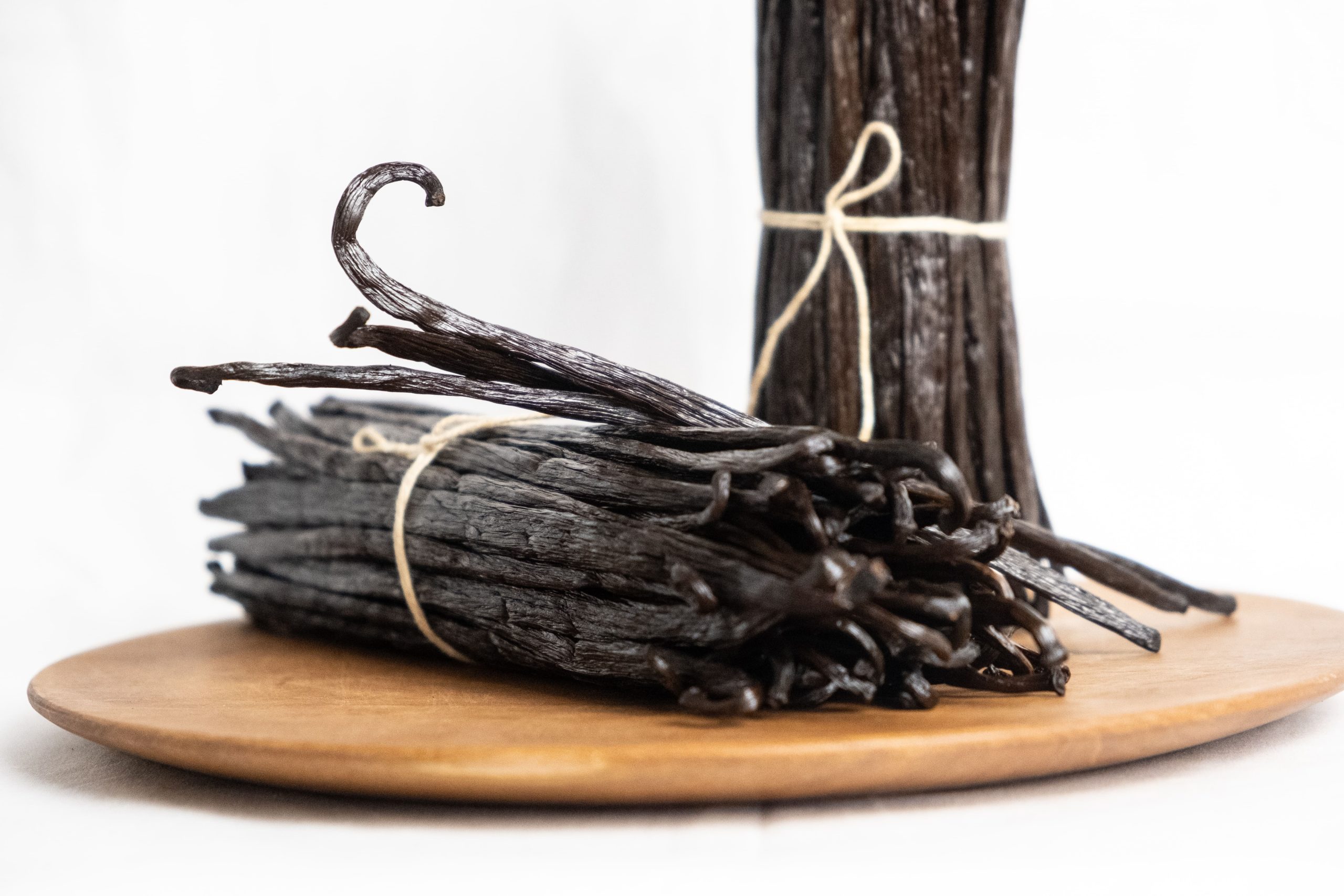
The remaining moisture affects several important characteristics of vanilla beans, including texture, aroma retention, and storage performance.
A well-controlled drying process helps vanilla beans remain flexible and prevents them from becoming too dry and brittle. It also helps protect the natural oils and aromatic compounds developed during the curing process.
On the other hand, beans with insufficient moisture may become harder and more fragile, while excessive moisture can create challenges during storage. Therefore, this specification is not simply a measurement of water inside the bean. It is an important quality indicator that reflects the balance between preservation and stability.
Understanding vanilla bean moisture content also helps explain why controlling excess moisture is essential for reducing storage risks.
The Risk of Excess Moisture: Mold and Quality Issues
While retaining some water is necessary for maintaining vanilla bean quality, excessive moisture can create challenges during storage and transportation.
Mold development is usually associated with a combination of high moisture levels and unsuitable storage conditions. When vanilla beans are exposed to high humidity, limited airflow, temperature fluctuations, or improper packaging, the risk of mold growth increases.
Mold can affect the appearance, aroma, and usability of vanilla beans. Once quality is compromised, the beans may no longer perform as expected in food applications.
This is why proper curing, moisture control, packaging, and storage conditions are essential to maintain vanilla beans during their shelf life.
For this reason, greater water retention do not always mean better quality. Vanilla beans require a careful balance, such as enough moisture to preserve flexibility and aroma, but not excessive moisture that may compromise stability.
What Is the Ideal Moisture Level for Vanilla Beans?
The ideal vanilla bean moisture content depends on factors such as variety, curing method, grade, and intended use. However, premium cured vanilla beans are commonly maintained within a range of approximately 28% to 35% moisture.
Within this range, vanilla beans generally maintain a desirable balance between flexibility, aroma preservation, and storage stability.
However, this specification should always be evaluated together with other quality factors, including appearance, aroma, bean texture, and curing quality.
Different levels of vanilla bean moisture content can affect texture, flexibility, storage stability, and the suitability of vanilla beans for different applications.
Lower moisture beans may offer increased stability for certain applications, while higher moisture beans generally provide more flexibility but require greater attention during storage.
Moisture Level | Characteristics | Common Consideration |
Below 25% | Drier texture, less flexible | May be considered for applications where lower moisture is preferred |
| 25%–28% | Firmer texture, lower moisture retention | Often preferred where longer storage stability is required |
| 28%–35% | Flexible texture, balanced aroma retention, good quality | Common range for premium vanilla beans |
| Above 35% | Higher moisture retention, softer texture | Requires careful handling due to increased mold risk |
Understanding vanilla bean moisture content is one of the first steps in selecting quality vanilla beans. At Rendah Vanilla, our curing and preparation process is carefully managed to maintain the right balance of moisture, aroma, and stability in every batch of Indonesian vanilla beans.
Explore our vanilla beans and contact our team to learn more