Planifolia Vanilla vs Tahitensis Vanilla: 4 Important Things to Know Before Sourcing
Planifolia Vanilla vs Tahitensis Vanilla is a common comparison for ingredient buyers and product developers looking to choose the right vanilla for their products. While both are commercially cultivated, each offers different aroma profiles, physical characteristics, and product applications.
Understanding these differences can help buyers select a vanilla that best matches their formulation and product goals. Although more than 100 vanilla species exist, Planifolia and Tahitensis are the two most widely cultivated for commercial use, and each offers its own strengths depending on the intended application.
Comparison of Planifolia Vanilla vs Tahitensis Vanilla beans
Feature | Planifolia | Tahitensis |
Aroma | Rich, creamy, classic vanilla | Floral, fruity, lightly anise-like |
| Bean Appearance | Long and slender | Shorter, plumper, broader |
| Availability | Widely available | More limited production |
| Best Applications | Baking, dairy, extracts, general food manufacturing | Premium desserts, specialty beverages, confectionery, fragrance |
- Aroma Profile
One of the biggest differences between Planifolia and Tahitensis is their aroma.
Planifolia is known for its rich, creamy, and familiar vanilla character. It delivers the classic vanilla aroma that many consumers expect and works across a wide range of food products.
Tahitensis, on the other hand, offers a lighter aroma with floral, fruity, and gently anise-like notes. Rather than replacing Planifolia, it provides a different sensory experience that suits products where a more delicate vanilla profile is preferred.
- Physical Appearance
The beans also have noticeable visual differences.
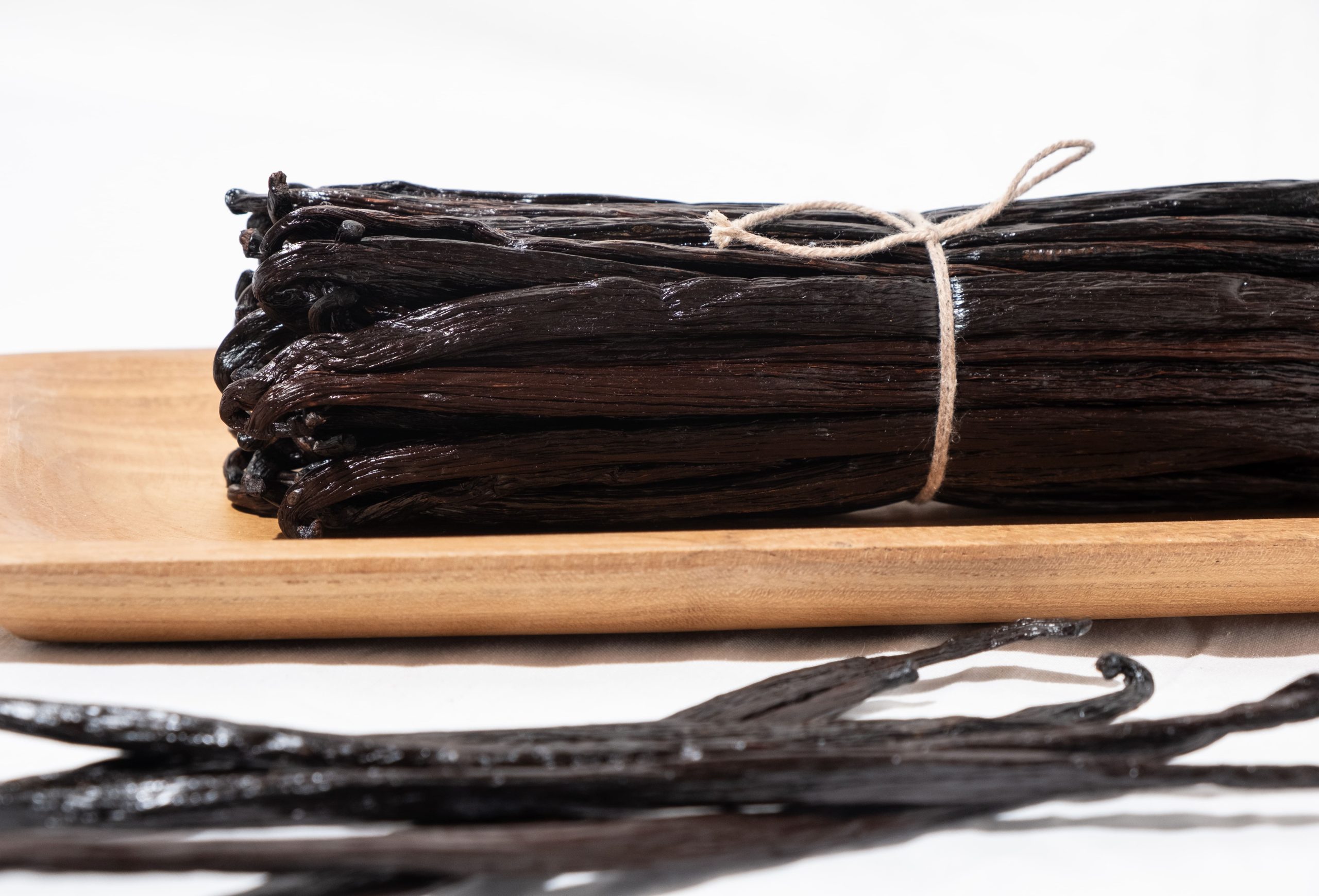
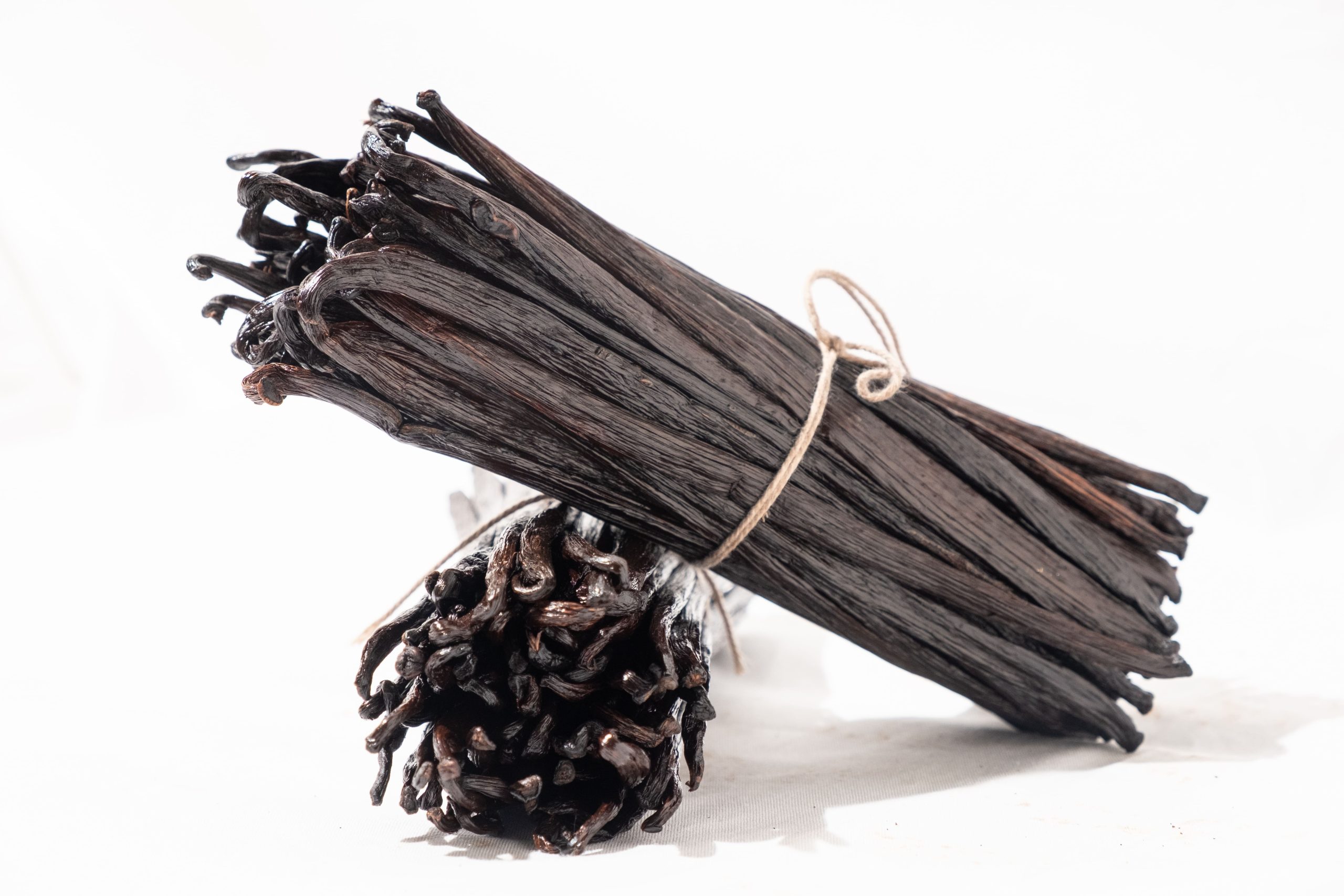
Planifolia beans are generally longer and more slender, while Tahitensis beans tend to be shorter, plumper, and slightly broader. After curing, both develop a dark brown color, although the exact appearance can vary depending on growing conditions and processing methods.
Appearance alone should not be used to judge quality. Aroma, flexibility, moisture content, and overall bean condition are equally important when evaluating vanilla.
- Availability and Sourcing
For buyers planning long-term supply, availability is another important consideration.
Planifolia represents the majority of global vanilla production and is grown in several producing countries, making it easier to source throughout the year.
Tahitensis is cultivated in much smaller quantities, mainly in French Polynesia, Papua New Guinea, and parts of Indonesia. Because supply is more limited, buyers may experience longer lead times, particularly for larger orders.
- Choosing the Right Vanilla
The best choice depends on the final product rather than which vanilla is considered “better.” Both Planifolia and Tahitensis have their own strengths and are selected for different reasons.
Planifolia Vanilla is commonly used for:
- Bakery products such as cakes, cookies, muffins, and pastries, where a rich, classic vanilla flavor is expected.
- Dairy products including ice cream, yogurt, custards, and puddings, where its full-bodied vanilla profile blends well with milk-based ingredients.
- Vanilla extracts and flavorings, as its traditional vanilla character is widely recognized by consumers.
- Chocolate and confectionery, where its rich aroma complements cocoa and caramel flavors.
- General food manufacturing, when a consistent and familiar vanilla profile is required across a wide range of products.
Tahitensis Vanilla is commonly used for:
- Premium desserts such as panna cotta, mousse, and delicate custards, where its floral aroma can stand out.
- Specialty beverages, including tea, coffee, cocktails, and fruit-based drinks, where a lighter vanilla profile complements rather than dominates other flavors.
- Fruit-based desserts, where its fruity and lightly floral notes pair naturally with berries, tropical fruits, and citrus.
- Fine confectionery and pastries, where a more delicate vanilla aroma is preferred.
- Fragrance and perfumery, where its unique floral and anise-like aroma is highly valued.
Choosing the right vanilla ultimately depends on the sensory profile you want to achieve, the type of product you’re developing, and your sourcing requirements. Understanding these differences can help ingredient buyers and product developers select a vanilla that supports both product quality and consumer expectations.
Choosing the Right Vanilla for Your Product

Understanding the differences between Planifolia and Tahitensis Vanilla is an important step when selecting the right vanilla for your product. While both are commercially cultivated, each offers its own aroma profile, appearance, availability, and ideal applications. Rather than viewing one as a replacement for the other, ingredient buyers should evaluate each type based on the desired sensory profile, product application, and supply requirements.
At Rendah Vanilla, we supply both Planifolia and Tahitensis vanilla beans, carefully processed in Bali, Indonesia for food manufacturers, ingredient companies, and international buyers.
Learn more about our vanilla products or get in touch with the Rendah Vanilla team to explore our specifications and available grades.