Tahitensis Vanilla Beans: 4 Essential Characteristics Ingredient Buyers Should Know
Tahitensis vanilla beans are becoming an increasingly popular choice for ingredient buyers looking for a more floral and aromatic vanilla profile. While most of the world’s vanilla production comes from Planifolia, Tahitensis is the second most commercially cultivated type of vanilla and offers its own unique characteristics.
For ingredient buyers and product developers who have not worked with it before, here are four things worth knowing before sourcing it.
What Makes Tahitensis Vanilla Beans Different
This vanilla types is not simply a regional variation of planifolia. It smells different, looks different, and works best in different applications. The four characteristics below explain what sets it apart and where it fits in a manufacturing context.
Feature | Tahitensis | Planifolia |
Availability | More limited production | Widely available worldwide |
Aroma | Floral, fruity, lightly anise-like | Rich, creamy, classic vanilla |
| Bean Shape | Shorter, plumper, broader | Longer and slenderer |
| Best Application | Premium dessert, specialty beverages, fragrance | Widely available worldwide |
- Naturally Distinct Types
Tahitensis Vanilla is a natural hybrid, believed to have developed from a cross between two vanilla species. This makes it different from Planifolia Vanilla, not only in where it is grown but also in its botanical characteristics.
For ingredient buyers, this vanilla type should be evaluated on their own qualities, including aroma, flexibility, appearance, and moisture content, rather than being treated as a direct replacement for Planifolia. Each vanilla type has its own aroma profile and is better suited to different food and beverage applications.
Tahitensis Vanilla is also produced in much smaller quantities than Planifolia. Because of its limited supply, buyers should expect lower availability and, in some cases, longer lead times.
- Unique Aroma Profile
One of its defining characteristics is its distinctive aroma. Compared to Planifolia, which is often described as rich and creamy, Tahitensis offers a lighter and more delicate fragrance.
Its aroma is commonly described as floral, fruity, and gently anise-like, with notes that many people associate with flowers, ripe fruit, and a subtle hint of spice. This creates a fresh and elegant vanilla profile that stands out from more traditional vanilla varieties.
Rather than delivering the classic deep vanilla aroma, Tahitensis provides a more delicate profile that can complement other ingredients without overpowering them.
- Physical Characteristics
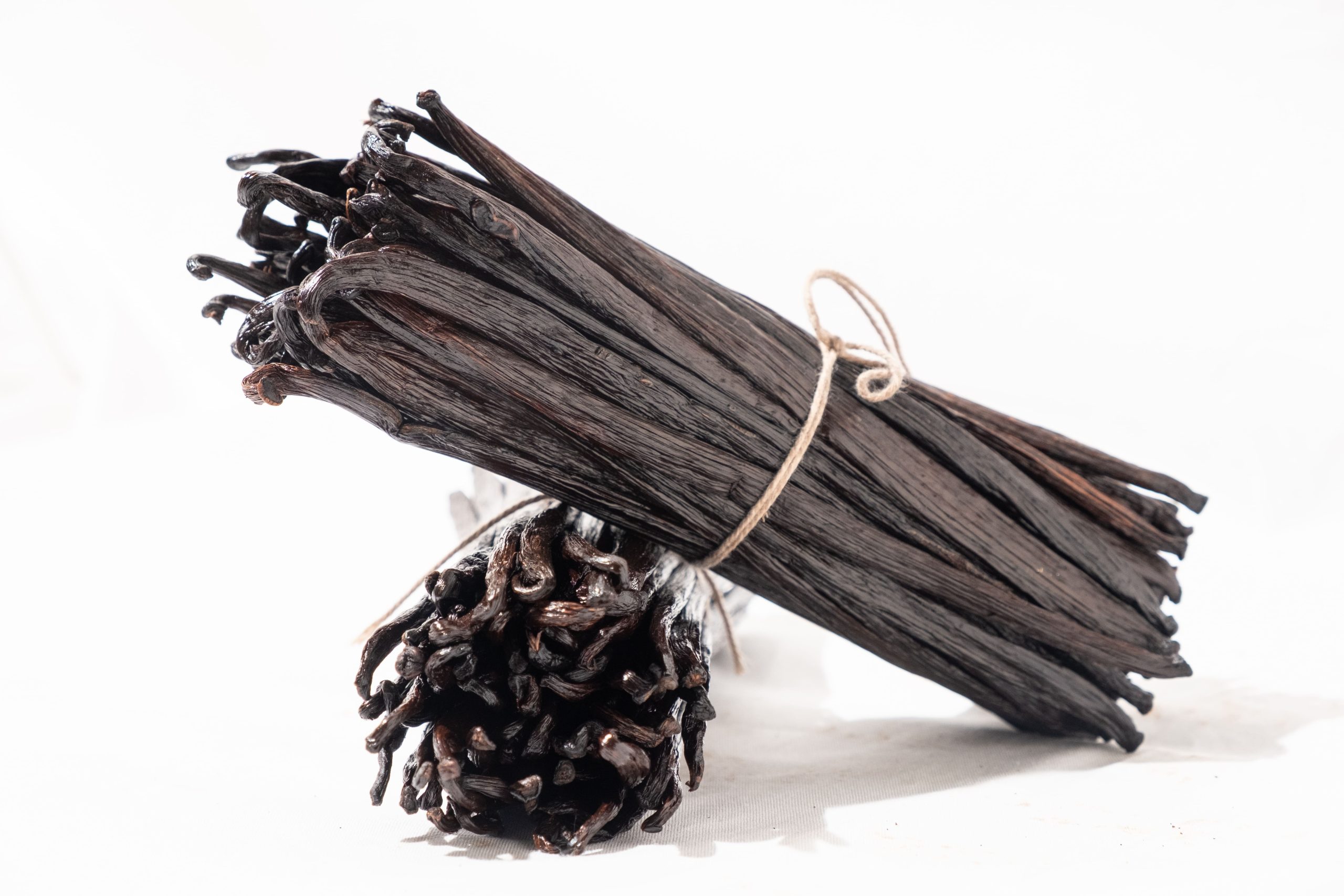
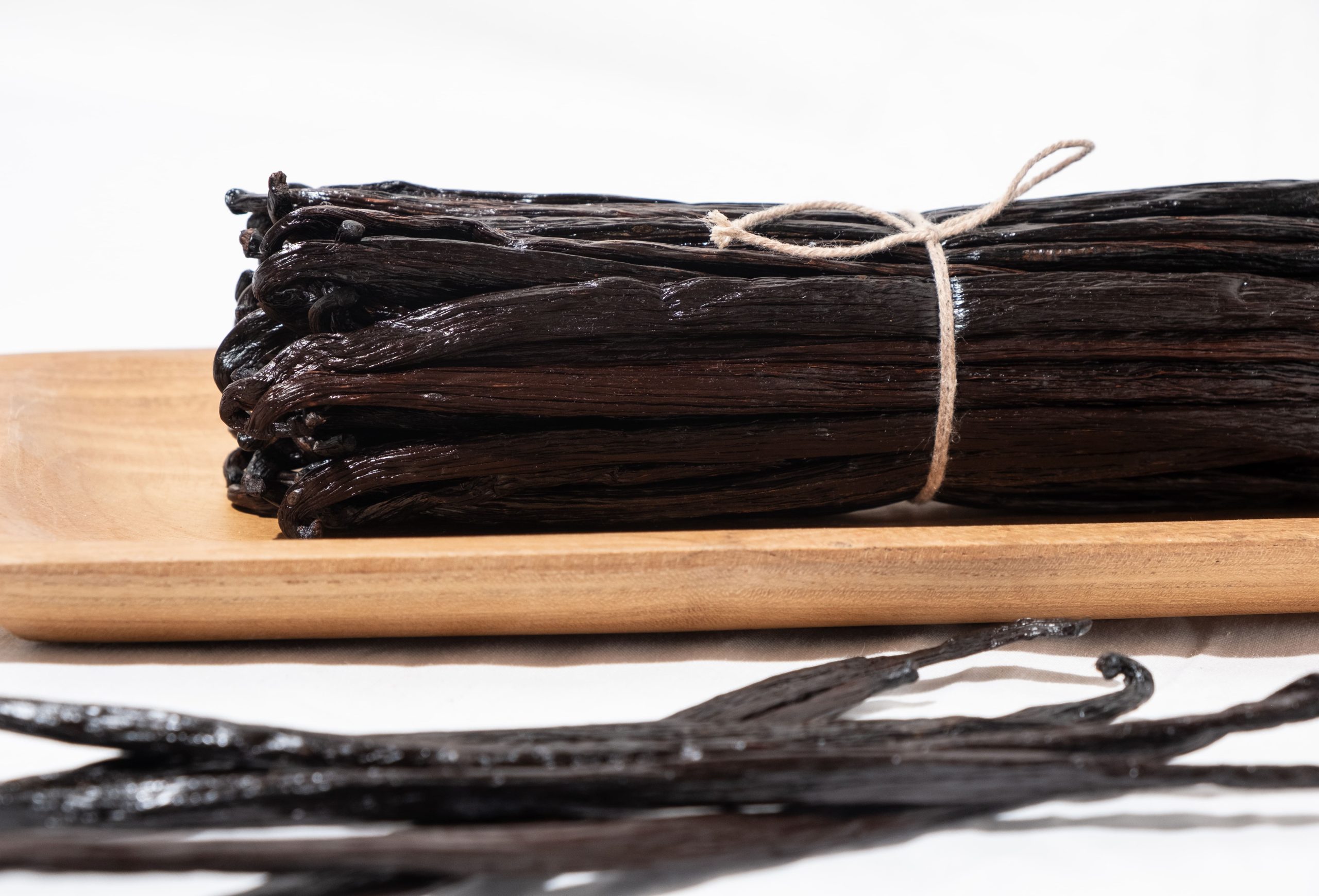
These beans have a distinctive appearance that makes them easy to recognize. Compared with Planifolia, they are generally shorter, plumper, and slightly broader, giving the pods a fuller shape.
After curing, the beans usually have a glossy dark brown to black surface with a softer outer skin. While their appearance differs from Planifolia, these characteristics are completely natural for Tahitensis Vanilla.
As with all vanilla beans, appearance should be evaluated together with aroma, flexibility, moisture content, and overall bean condition.
- Best Applications
Due to its lighter, more floral aroma profile, Tahitensis Vanilla is not a one-for-one replacement for planifolia in every product. It adds the most value in formulations that are designed to highlight its specific character.
This vanilla type is typically selected for applications where floral and fruity notes are intended to complement, rather than dominate, the final product.
- Premium dairy and frozen desserts: where its floral and fruity notes bring an aromatic depth to ice cream, custards, and specialty desserts
- Specialty beverages: where its lighter profile works well alongside fruit-forward or delicate base flavors without overpowering them
- Flavor and fragrance development: where it adds complexity and a softer aromatic quality to a blend
- Confectionery and patisserie: where its cherry and anise characters pairs naturally with chocolate, fruit, and cream-based products
For product developers looking for a vanilla that adds floral and aromatic depth, rather than the classic deep vanilla warmth, tahitensis is worth evaluating
Tahitensis Vanilla Growing Region
Tahitensis Vanilla is most associated with French Polynesia, where it has been cultivated for generations. Today, it is cultivated in several regions, including French Polynesia, Papua New Guinea, and parts of Indonesia, particularly in the eastern regions.
As with all vanilla, the growing location and curing process both influence the final scent and flavor of the bean. Some variation in how strongly the floral and anise notes come through is a natural outcome of different growing conditions.
Explore Tahitensis Vanilla With Us
Understanding the characteristics of this unique vanilla type is the first step in determining whether they are the right fit for your product or formulation. Factors such as aroma profile, physical characteristics, and intended application all play an important role in selecting the right vanilla for your needs.
Learn more about our Tahitensis vanilla beans or get in touch with our team to discuss your sourcing requirements.