Vanilla in Food Applications: 5 Surprising Ways It Goes Beyond Sweet Treats
When people think about vanilla in food applications, desserts are usually the first thing that come to mind. Vanilla is a familiar ingredient in cakes, cookies, ice cream, pastries, and other sweet treats. However, its role in food goes beyond creating a recognisable sweet aroma. Vanilla can complement other ingredients, soften sharp flavour notes, and bring warmth and depth to different preparations. This is why vanilla in food applications has become an interesting subject in baking, pastry, and modern food development.
Although vanilla is most commonly associated with sweetness, its aromatic character makes it suitable for a wider range of applications. Understanding how it works can help explain why this well-known spice continues to be used in so many different types of food.
Vanilla Does More Than Add a Sweet Aroma
One reason vanilla in food applications is so versatile is that its contribution is not limited to a sweet taste.
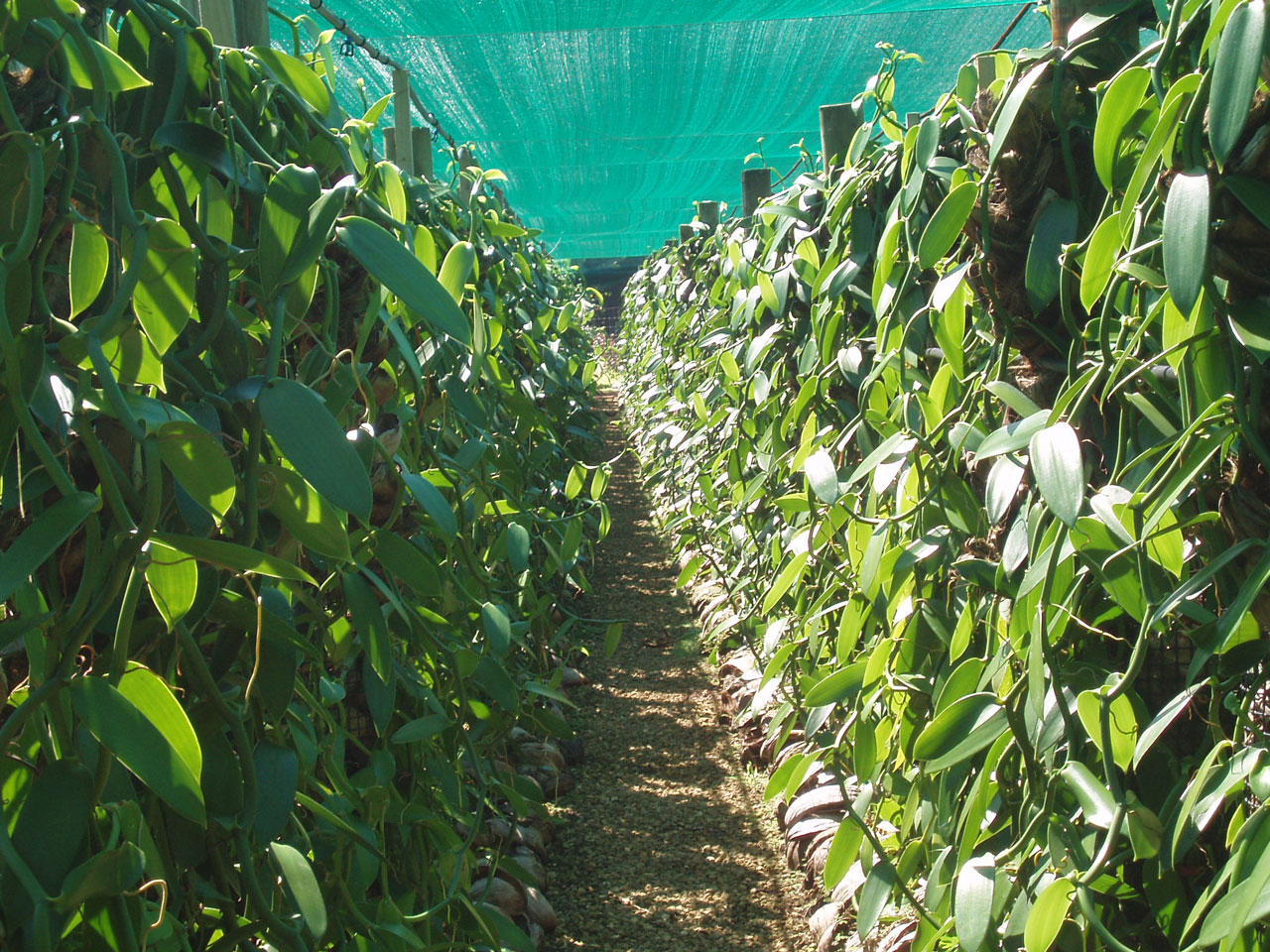
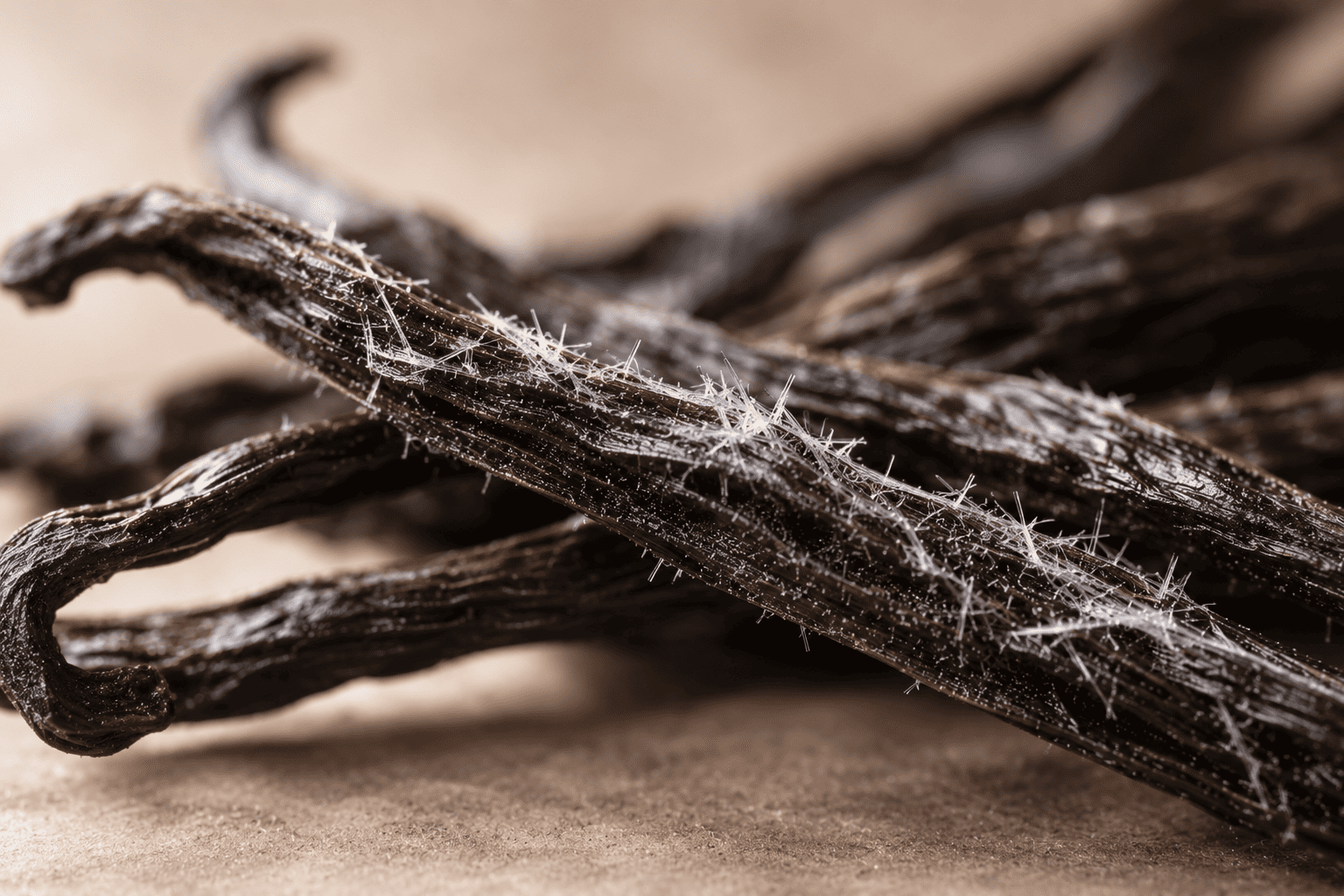
Vanilla beans contain vanillin as their primary aroma compound, alongside a complex mixture of other natural compounds that contribute to their distinctive aroma profile. During curing, biochemical changes release vanillin and develop other aromatic compounds, transforming green vanilla beans into the familiar fragrant spice.
Vanilla is valued for its warm, rounded, and distinctive aroma. Its flavour profile can include sweet, creamy, floral, and slightly woody notes, depending on the variety and preparation. This aromatic complexity is one reason vanilla in food applications can contribute more than a simple sweet note.
In food preparation, vanilla can act as a supporting flavour. A small amount may help bring different ingredients together, creating a more rounded overall impression.
This is particularly useful in recipes where the goal is not to make the food taste strongly of vanilla, but to add another layer of aroma and flavour.
Vanilla Enhances the Flavour of Bakery Products
Bakery products are among the most familiar examples of vanilla in food applications, particularly in sweet preparations.
Vanilla is commonly used in cakes, cookies, biscuits, muffins, and other baked goods. It works alongside ingredients such as butter, milk, eggs, flour, sugar, and chocolate.
Its aroma helps create a more complete flavour profile, especially in recipes where several ingredients contribute to the final taste. In chocolate cakes and biscuits, for example, vanilla can complement the richness of chocolate and help balance its more intense flavour notes.
Vanilla is also used in selected savoury bakery preparations. When applied carefully, it can provide a subtle aromatic background in recipes where ingredients such as cheese, butter, or vegetables are prominent. The intention is not to create a sweet baked product, but to introduce a gentle layer of warmth.
Vanilla Plays an Important Role in Pastry and Confectionery
Pastry is another area where vanilla in food applications can be appreciated through its ability to complement different ingredients.
In traditional pastry applications, vanilla is often found in custards, pastry creams, puddings, fillings, and dessert sauces. It pairs naturally with dairy ingredients, making it especially useful in preparations based on milk, cream, and butter.
Vanilla also works well with chocolate, caramel, coffee, nuts, and fruit. These combinations are popular because their flavour characteristics can complement one another.
In confectionery, vanilla is used in products such as chocolate, caramels, creams, and sweets. It can provide a familiar aroma while helping create a balanced flavour experience.
These applications demonstrate that vanilla in food applications is not simply about adding another flavour. It is also about how vanilla interacts with the other components of a recipe.
Vanilla Adds Warmth and Depth to Selected Savoury Preparations
While sweet applications remain the most familiar, vanilla in food applications also extends to selected savoury recipes.
In savoury cooking, vanilla is generally used more subtly. Rather than becoming the dominant flavour, it can contribute warmth, roundness, and a gentle aromatic background.
Vanilla may also be explored in creamy sauces and vegetable-based preparations where its warm aroma can work alongside butter, cream, and other mild flavours.
The key is balance. Too much vanilla can make a savoury preparation taste unexpectedly sweet or overpower the other ingredients. A light touch is usually more suitable when vanilla is intended to support rather than lead the flavour profile.
Vanilla Works Through Flavour Pairing
The versatility of vanilla in food applications also comes from its ability to pair with a variety of ingredients.
In sweet recipes, familiar combinations include:
- Vanilla and chocolate
- Vanilla and caramel
- Vanilla and coffee
- Vanilla and berries
- Vanilla and nuts
- Vanilla and dairy products
These combinations are widely used in bakery, pastry, ice cream, and confectionery.
For selected savoury applications, vanilla can be explored alongside ingredients with mild, creamy, earthy, or naturally sweet characteristics. Butter, cream, sweet potatoes, and certain vegetables offer possibilities for more subtle flavour combinations.
Understanding these relationships helps explain why vanilla can be used in different food categories. Its role depends not only on the ingredient itself, but also on the other flavours present in the recipe.
Different Vanilla Forms Offer Different Application Possibilities
Another important consideration when exploring vanilla in food applications is the form in which vanilla is used.
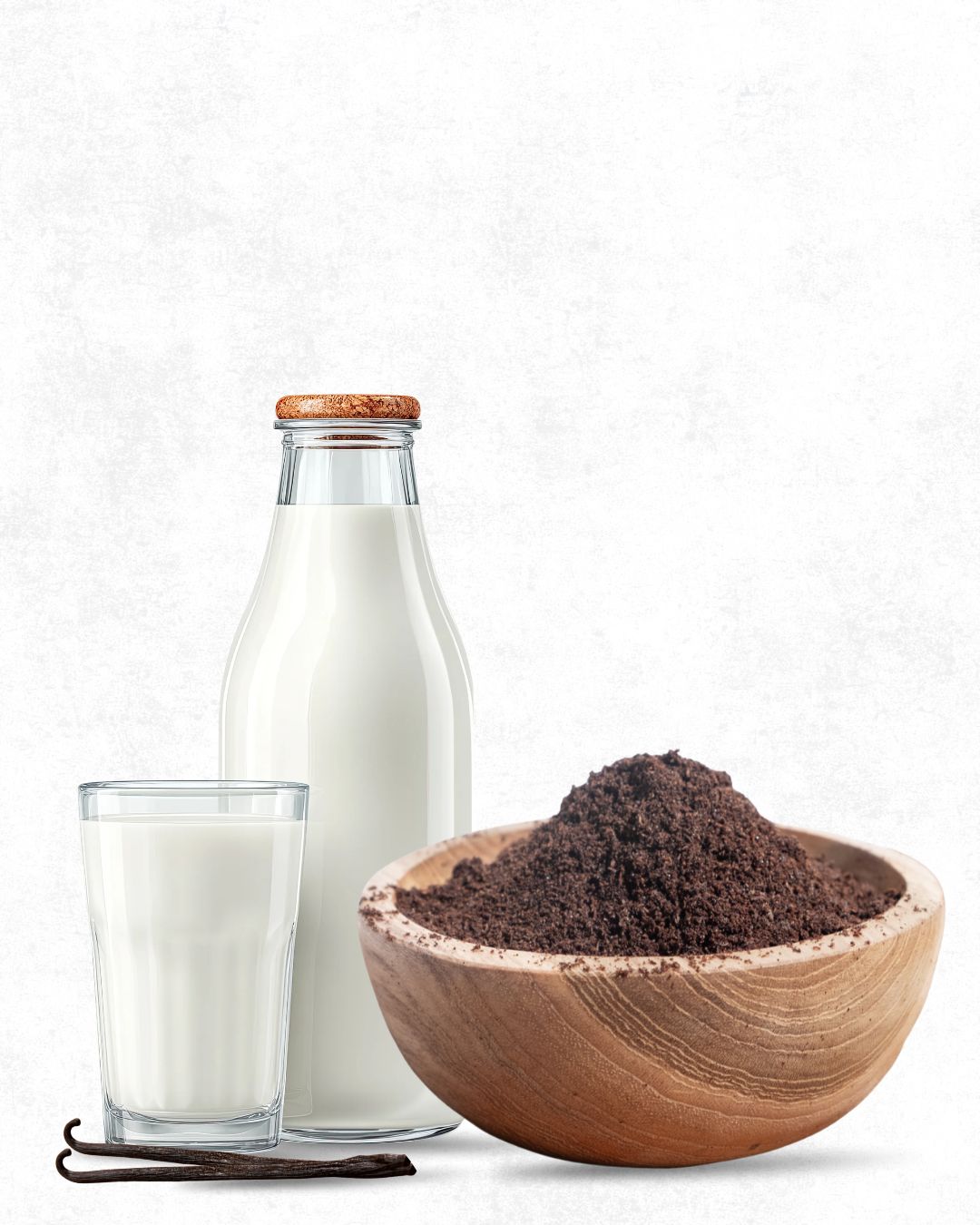
Whole vanilla beans, ground vanilla powder, and vanilla seeds each offer different characteristics and practical advantages.
- Vanilla beans: Can be split and infused into liquids such as milk and cream, making them suitable for custards, pastry creams, and other preparations.
- Vanilla powder: Offers a dry format that can be incorporated into selected dry mixes, bakery formulations, and other recipes where liquid additions need to be limited.
- Vanilla seeds: Provide the familiar black specks associated with vanilla and can add visual appeal to creams, desserts, and other food preparations.
The most suitable form depends on the recipe, desired flavour intensity, preparation method, and appearance of the final product.
Exploring vanilla in food applications therefore involves understanding not only flavour combinations, but also how different vanilla formats can be incorporated into food.
Why Vanilla Deserves a Place Beyond Desserts
The versatility of vanilla in food applications shows that this familiar spice has more to offer than its association with desserts. From bakery and pastry to confectionery, beverages, and selected savoury preparations, vanilla can contribute aroma, balance, warmth, and flavour complexity.
Its versatility comes from how it interacts with other ingredients. In some recipes, vanilla is the main flavour. In others, it works quietly in the background, complementing the ingredients without becoming the dominant note.
At Rendah Vanilla, we work with Indonesian vanilla in different forms, including whole vanilla beans, ground vanilla powder, and vanilla seeds. Each form offers distinct characteristics and possibilities for food applications.
Explore our Indonesian vanilla products to learn more about the different forms of vanilla and their potential uses in food, or contact our team to discuss your requirements.