5 Amazing Facts About the Uses of Vanilla in Different Foods and Drinks
Uses of vanilla go far beyond adding flavour to cakes and desserts. Vanilla is a versatile ingredient that can complement coffee, enhance the aroma of baked goods, and bring a distinctive character to milk, ice cream, and other favourite treats. Although vanilla is often associated with sweetness, its role in food and drinks is more complex than many people realise.
Here are five interesting facts that explain how vanilla works in different foods and drinks and why it remains a favourite ingredient in kitchens around the world.
Uses of Vanilla Can Influence How Sweet Food Tastes
Uses of vanilla in sweet foods are not limited to adding its characteristic flavour. Vanilla has a familiar aroma that can influence how people perceive sweetness in certain foods and drinks.
Vanilla aroma can enhance perceived sweetness under specific conditions. This means that the aroma of vanilla may affect the overall flavour experience, even though vanilla itself does not replace sugar.
This is one reason vanilla is commonly used in desserts, flavoured milk, custards, and sweet beverages. Its aroma can complement sweetness and make the flavour feel more rounded.
Uses of Vanilla in Baking Can Change with Heat
Vanilla adds a familiar aroma to cakes, cookies, muffins, pastries, and many other homemade treats. However, its aroma and flavour can change during baking because heat affects the balance of its aromatic compounds.
The final result depends on several factors, including the recipe, baking temperature, cooking time, and the type of vanilla used. Some aromatic compounds may become less noticeable during heating, while others can contribute to the aroma of the finished food.
This helps explain why vanilla in cake batter may smell different from vanilla in a freshly baked cake. Adding vanilla is not just about creating a sweet flavour. It also contributes to the overall aroma of the finished bake.
Uses of Vanilla in Dairy Products Create Different Flavour Experiences
From ice cream and milkshakes to yoghurt, custards, and creamy desserts, vanilla pairs well with a variety of dairy products. Each food offers a different flavour experience because its texture, fat content, and composition can influence how vanilla’s aroma is released and perceived.
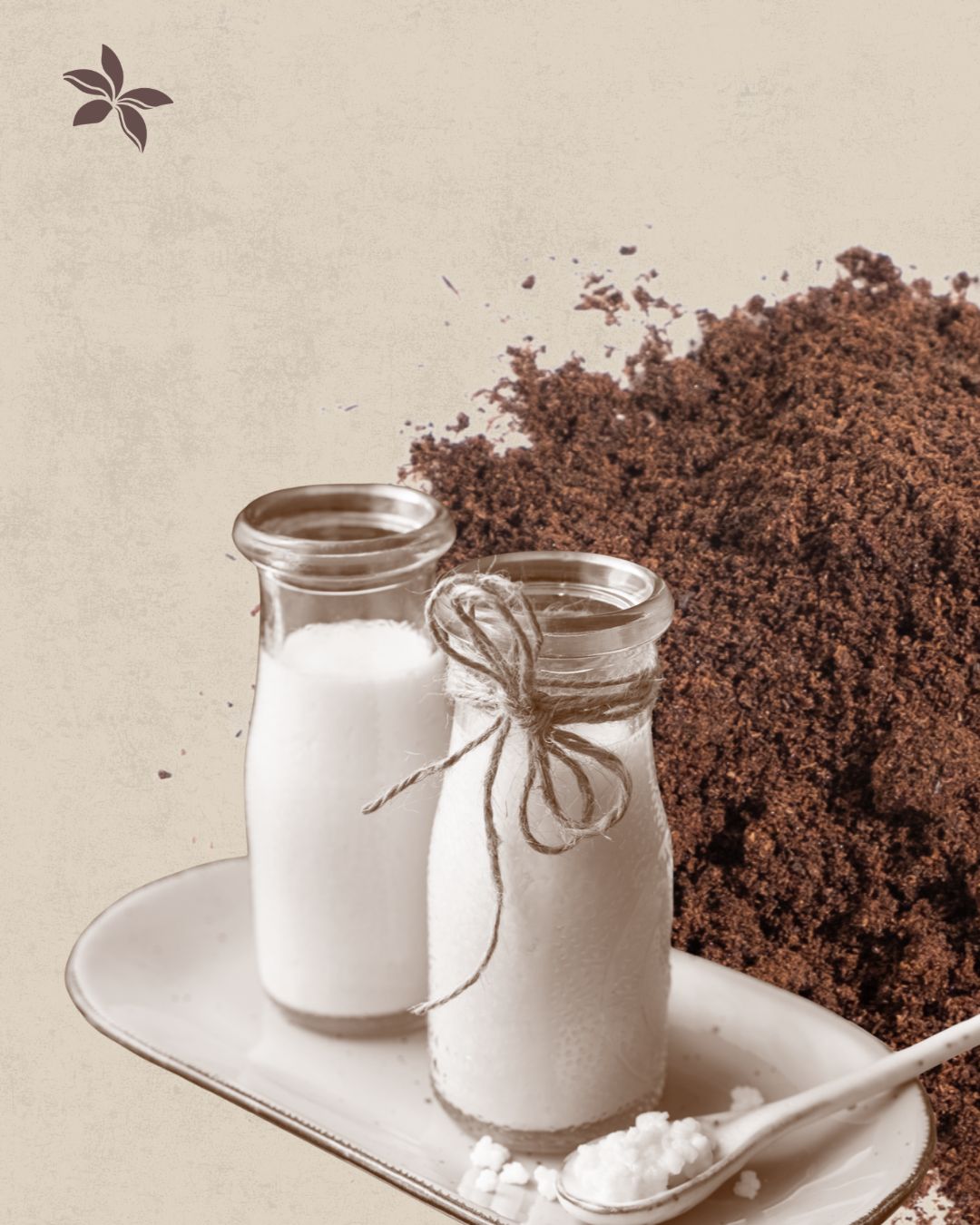
For example, vanilla in ice cream is experienced alongside its creamy texture and sweetness, while vanilla in milk may produce a lighter flavour experience. Fat, protein, temperature, and other ingredients can all influence how aroma compounds are released and perceived.
This is why the same vanilla ingredient can seem different depending on the food in which it is used. Vanilla interacts with the overall recipe rather than contributing flavour in isolation.
Uses of Vanilla in Beverages Go Beyond Coffee
Uses of vanilla in beverages include coffee, tea, hot chocolate, smoothies, milk-based drinks, and even some fruit-inspired refreshments. Its distinctive aroma can complement roasted coffee notes, creamy textures, chocolate, and certain fruity flavours.
Vanilla can also influence the balance of a drink. For example, its aroma may complement the bitterness of coffee or the richness of hot chocolate. However, the result depends on the recipe, sweetness level, temperature, and other ingredients.
Vanilla does not automatically make every beverage sweeter or less bitter. Instead, it adds an aromatic dimension that can work alongside the drink’s existing flavours.
Uses of Different Vanilla Formats Depend on the Recipe
Vanilla is available in several forms, including whole beans, vanilla extract, vanilla paste, and vanilla powder. Each format has different characteristics that make it suitable for particular recipes, depending on the preparation method, desired flavour, texture, and appearance.
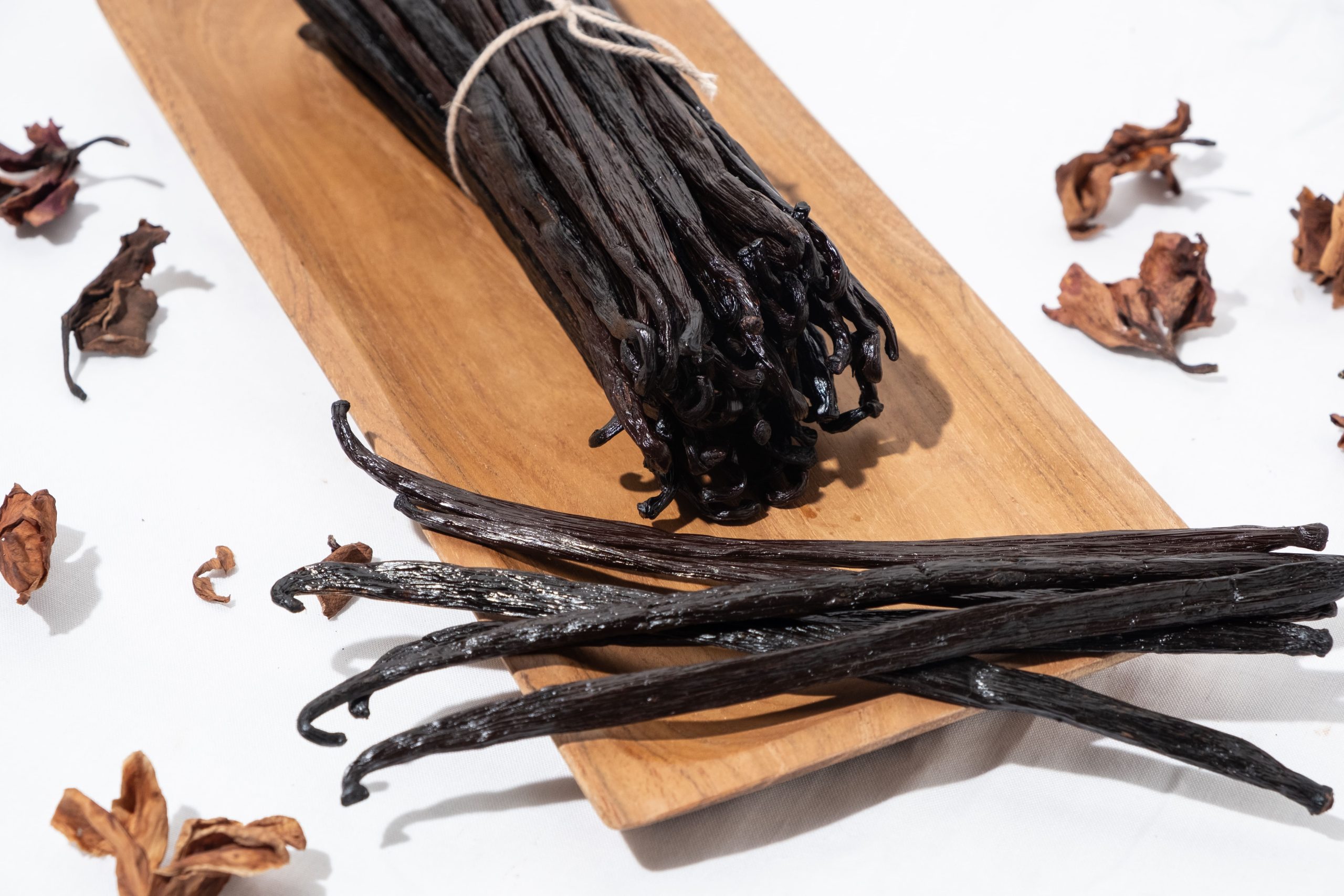
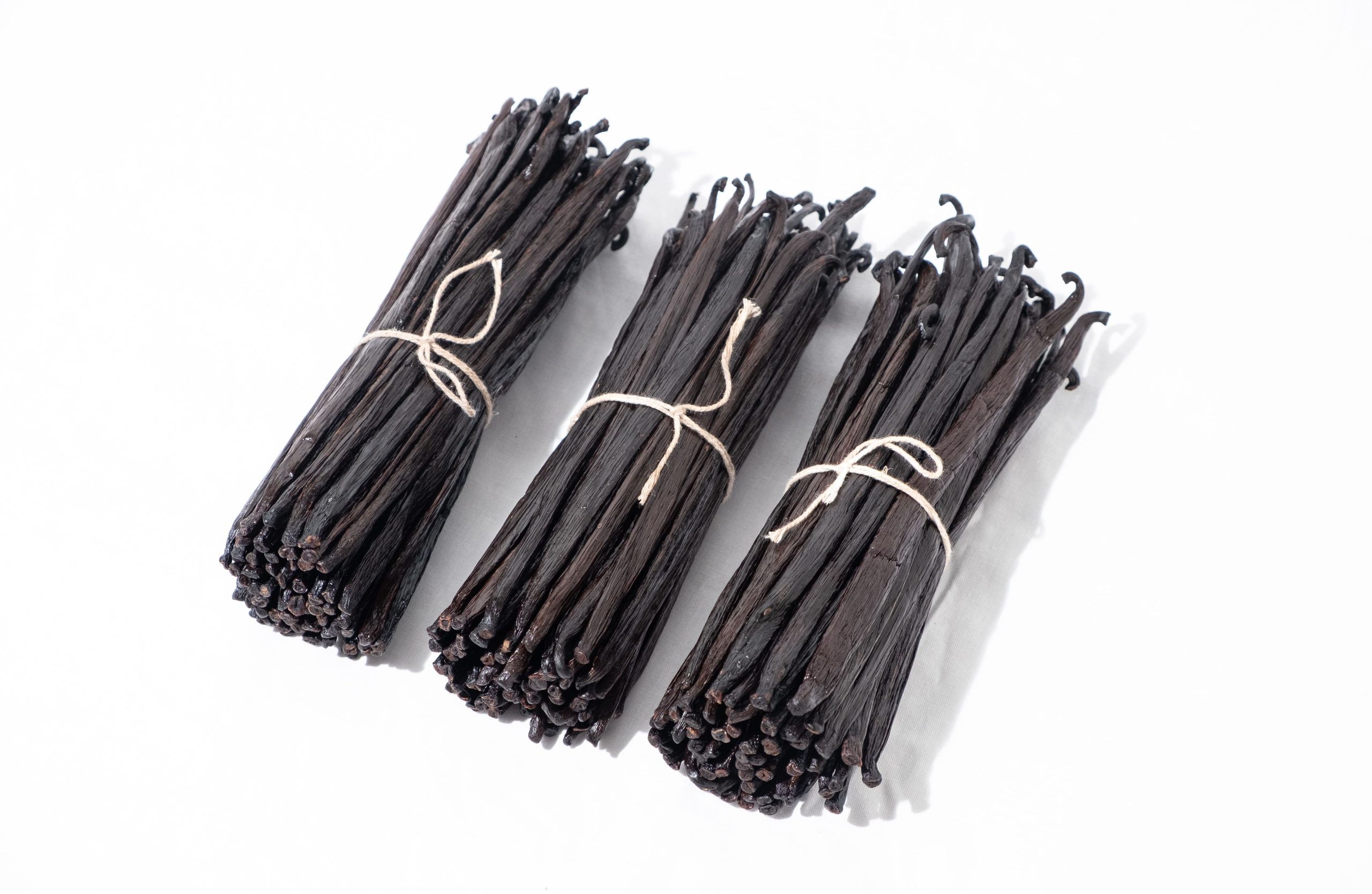
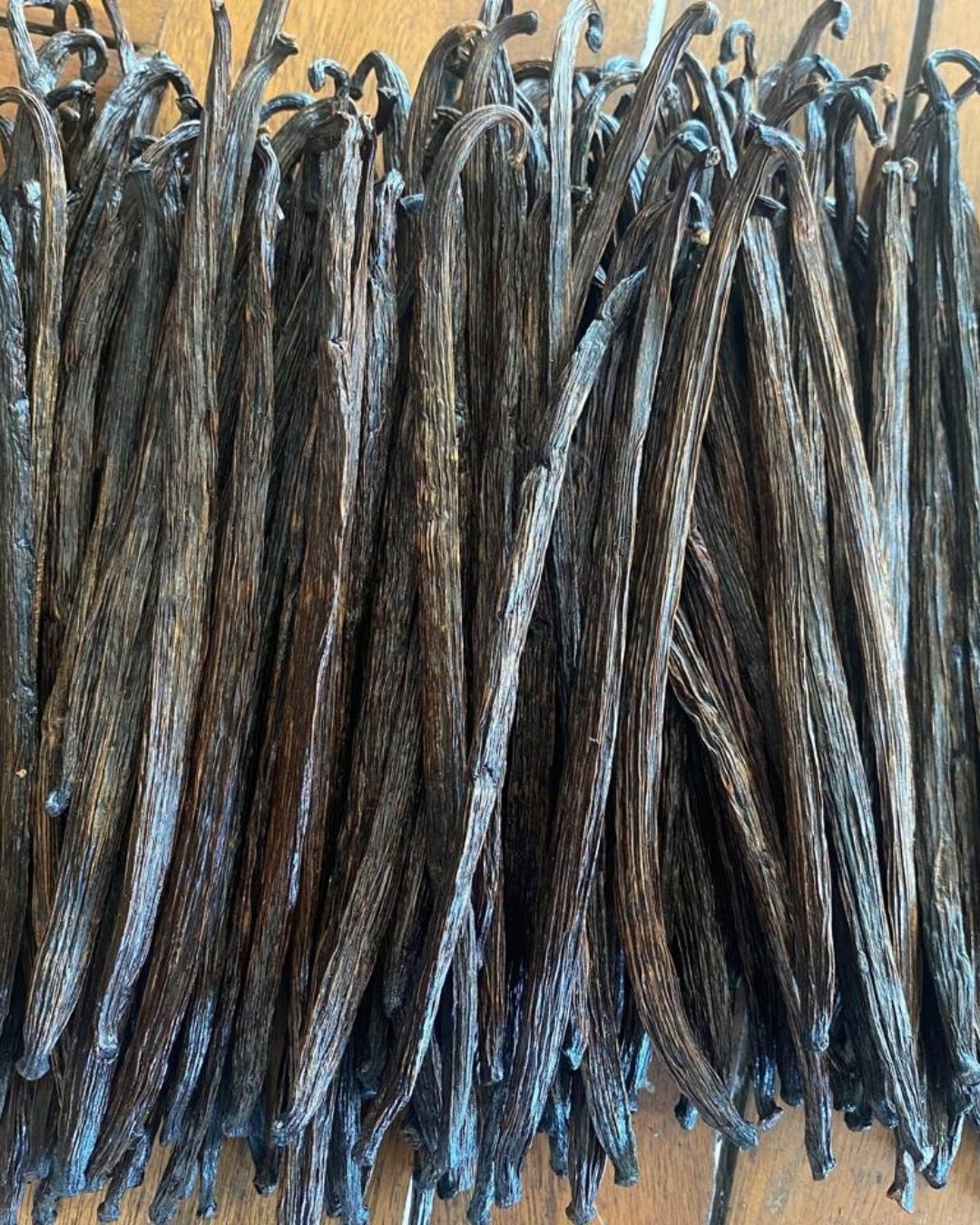
- Whole vanilla beans: Useful for infusing milk, cream, sauces, and custards. The seeds can also add visible specks to desserts.
- Vanilla extract: A convenient liquid option for cakes, cookies, drinks, and many everyday recipes.
- Vanilla paste: Often chosen for desserts and baked goods when a thicker consistency and visible vanilla seeds are desired.
- Vanilla powder: A practical option when a dry vanilla ingredient is preferred, such as in certain baking mixes, dessert preparations, or beverage blends. Its composition can vary by product.
The best option depends on the recipe, preparation method, desired appearance, and product specifications. Not every format works in exactly the same way.
Discover More Uses of Vanilla in Everyday Cooking
Uses of vanilla extend from familiar baked goods to creamy desserts, coffee, and a wide variety of drinks. Its distinctive aroma can interact with other ingredients, while heat, texture, temperature, and preparation methods can influence the final flavour.
Understanding how vanilla works in different foods helps explain why such a small amount can play an important role in a recipe.
At Rendah Vanilla, we prepare Indonesian vanilla beans in different forms to suit a variety of applications, from baking and desserts to beverages and other culinary creations. Explore our Indonesian vanilla beans to learn more about this versatile ingredient or contact our team to further discuss your requirement.