How to Evaluate Vanilla Bean Quality: 4 Key Indicators to Assess Your Vanilla

How to evaluate vanilla bean quality starts with understanding the four key indicators used to assess your vanilla. Each indicator plays a distinct role in assessing vanilla bean quality, and no single factor is sufficient on its own. Vanilla is one of the more complex natural ingredients to evaluate because its quality is determined by several characteristics working together, with each indicator providing a different insight into the bean’s overall performance.
For ingredient buyers sourcing at scale, understanding how to read these indicators helps ensure the material received matches the formulation requirements of the final product.
This guide covers four key quality indicators that can be assessed when reviewing vanilla beans and what each one signals about the bean’s condition and suitability.
How to Evaluate Vanilla Bean Quality:
1. Color and Surface Appearance
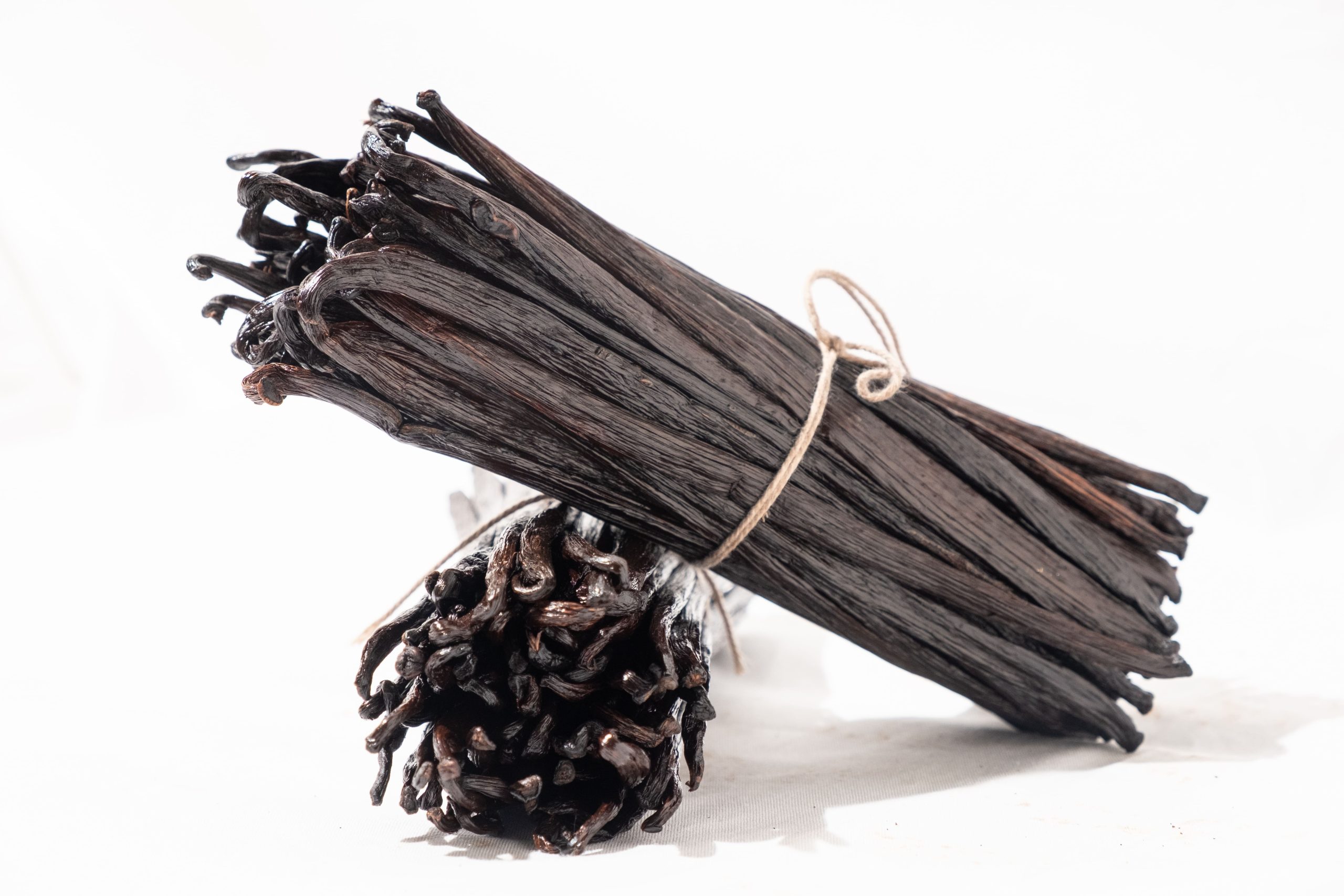
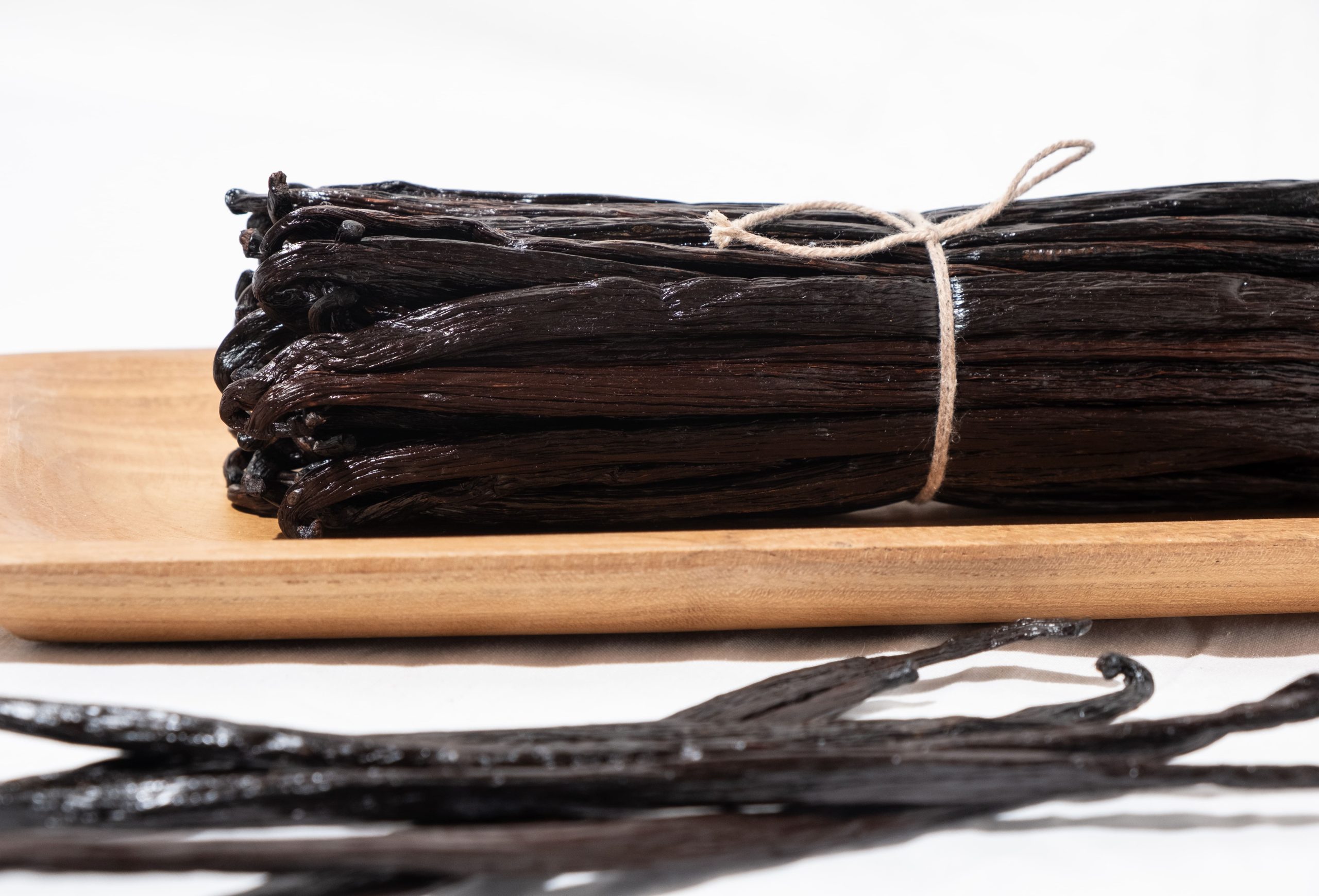
Color and surface condition are the most immediately visible aspects of vanilla bean quality, making them the first reference point when reviewing a new lot. Vanilla beans typically present in a deep dark brown to near-black color, with a surface that appears slightly glossy or oily to the eye. This natural surface sheen comes from the essential oils within the bean and is a consistent indicator of proper curing and adequate moisture retention.
Beans presented in a lighter reddish-brown color are generally associated with lower moisture grades and are expected to look drier, this is not a sign of poor quality for those grades, but rather a reflection of their intended use in extraction over visual applications.
What to look for beyond color is surface condition. Beans that are largely free from visible blemishes, splitting along the body, or signs of mold are preferable regardless of grade.
2. Flexibility and Texture
A vanilla bean’s flexibility is one of the most reliable physical indicators of its moisture content and curing quality. When held and gently bent, a well-cured bean at the higher moisture grades should feel supple and pliable, bending without cracking or snapping along the pod.
This flexibility matters practically. Beans intended for whole-bean or visual applications, such as those split open for seeds in premium dairy or bakery formulations need to be supple enough to work with cleanly. A bean that snaps under gentle pressure has likely dried out beyond its intended moisture range, which may affect both its workability and its aroma delivery.
For lower moisture grades intended for extraction, some degree of dryness and reduced pliability is expected and does not indicate a quality issue. The flexibility standard applies most directly to Grade A material, where moisture content should fall in the range of approximately 25 to 35 percent, producing that characteristic suppleness.
3. Aroma
Aroma is considered one of the most meaningful quality indicators of vanilla bean quality, and it can be assessed without any equipment. A well-cured vanilla bean should release a strong, layered, and immediate fragrance when held close, one that reads as rich and complex rather than flat, faint, or one-dimensional.
This complexity is the result of approximately 170 volatile aromatic compounds that develop during the curing process, with vanillin being the primary but not the only contributor to the overall scent profile. A bean that has been properly cured over a sufficient period will carry this depth of aroma. A bean that was rushed through curing or harvested before full maturity will often present a noticeably thinner or less developed scent.
Aroma assessment is inherently subjective but remains a standard part of professional vanilla evaluation for this reason, it captures the cumulative outcome of the entire post-harvest process in a way that no single measurement fully reflects.
4. Moisture Content
Moisture content is the most precisely measurable quality indicator and the basis on which vanilla beans are commercially graded. It influences the bean’s weight, flexibility, aroma delivery, and suitability for different manufacturing applications.
The moisture content of whole vanilla beans intended for gourmet or direct-use applications should fall within the range of 25 to 38 percent. In practice, commercial grading systems translate this into the following general ranges:
Grade | Expected Moisture Range | Physical Indicator |
Grade A | 25 – 35% | Supple, glossy, pliable, dark brown to black |
| Grade B | 24 – 28% | Drier, slightly wrinkled, dark brown |
| Grade C | 18 – 25% | Drier still, shorter, less uniform, reddish to brown |
Reading the Bean as a Whole
Each of the four indicators above works in combination with the others. A single characteristic rarely tells the complete story. A bean may have strong aroma but lower flexibility due to storage conditions. Another may present visually well but carry a thinner scent profile if curing was insufficient.
Professional evaluation considers all four together from color and surface, flexibility, aroma, and moisture content against the specific grade and application requirements of the buyer. Taken together, they provide a practical, grounded picture of whether a given lot of vanilla beans are fit for its intended manufacturing purpose.
Discover Indonesian Vanilla with Rendah Vanilla

The indicators covered in this guide, including appearance, flexibility, aroma, and moisture content, are among the quality parameters that Rendah Vanilla evaluates throughout our post-harvest process.
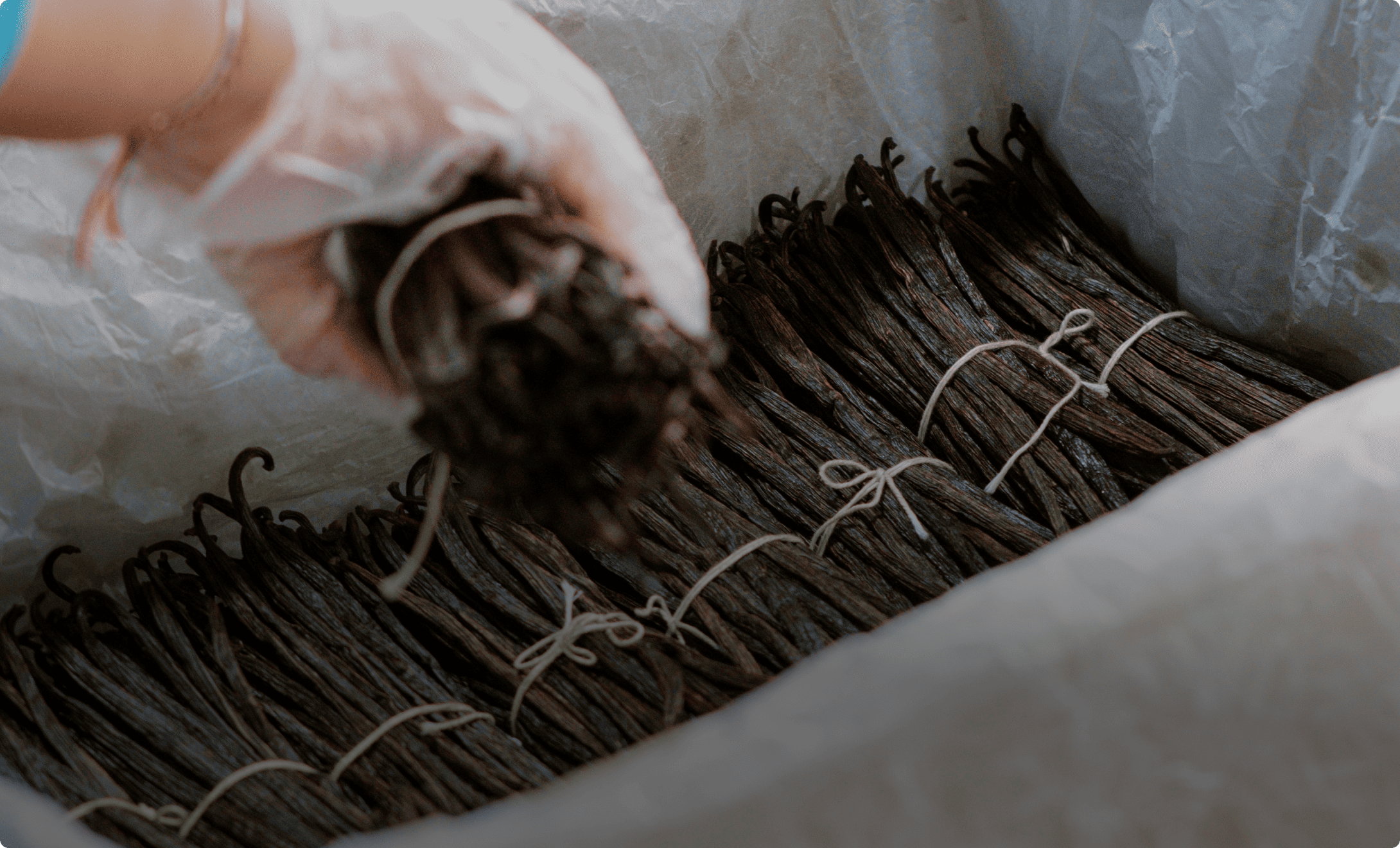
From curing to final selection, each batch is carefully reviewed before the beans are prepared for shipment. Our goal is to deliver vanilla that performs consistently from one order to the next.
Explore more about Indonesian vanilla or get in touch with our team.
More to Read