Indonesian Vanilla Supply: 4 Essential Facts From Harvest to Global Market
Indonesian vanilla supply is shaped by its harvest seasons, growing regions, and the production practices that influence availability and quality.
Indonesia is the world’s second-largest producer of vanilla, with growing regions spread across multiple islands and export shipments reaching buyers in the United States, Europe, and Asia. Despite this scale, vanilla remains a slow-moving, labor-intensive crop. From hand-pollination to export-ready beans, the full production cycle spans well over a year.
For ingredient buyers and procurement teams, understanding where and when vanilla is grown is not just background information, but it directly affects how orders are planned and how lead times are managed.
Where Vanilla Is Grown in Indonesia
Vanilla cultivation in Indonesia spans several islands, each with its own growing conditions. The primary production regions include Java, Bali, Sulawesi, Sumatra, Lombok, Flores, and Papua.
Indonesia’s equatorial position gives its growing regions consistent temperature ranges, high humidity, and well-drained volcanic soils, a condition that support vanilla cultivation across a geographically diverse landscape.
As cultivation spreads across such a wide geographic area, beans from different regions naturally reflect their local environment. Differences in flavor profile from one origin to the next are a natural outcome of this diversity, not a sign of inconsistency.
Why the Growing Process Shapes Supply Timelines
Vanilla is a climbing orchid that requires several years of establishment before it produces its first usable harvest. Once the plant matures, it flowers once a year, and each flower remains open for a single day.
As natural pollinators for vanilla are not present in Indonesia, every flower must be hand-pollinated individually, a process that requires a skilled farmer, the right timing, and precision. Missing a flower means losing that bean for the entire season.
After successful pollination, the pods remain on the vine for approximately eight to nine months before reaching harvest maturity. This long growth window means that decisions made during the pollination season directly affect what will be available for end user nearly a year later.
The Vanilla Harvest Window
Pollination is staggered across several weeks and varies by region, the harvest is not a single event. Beans on the same farm, and certainly across different regions will reach maturity at different times throughout the harvest window.
Across Indonesian growing regions, harvest generally takes place between approximately June and August, though the exact timing varies depending on when pollination occurred and local weather conditions.
The Curing Stage: Why It Matters for Buyers
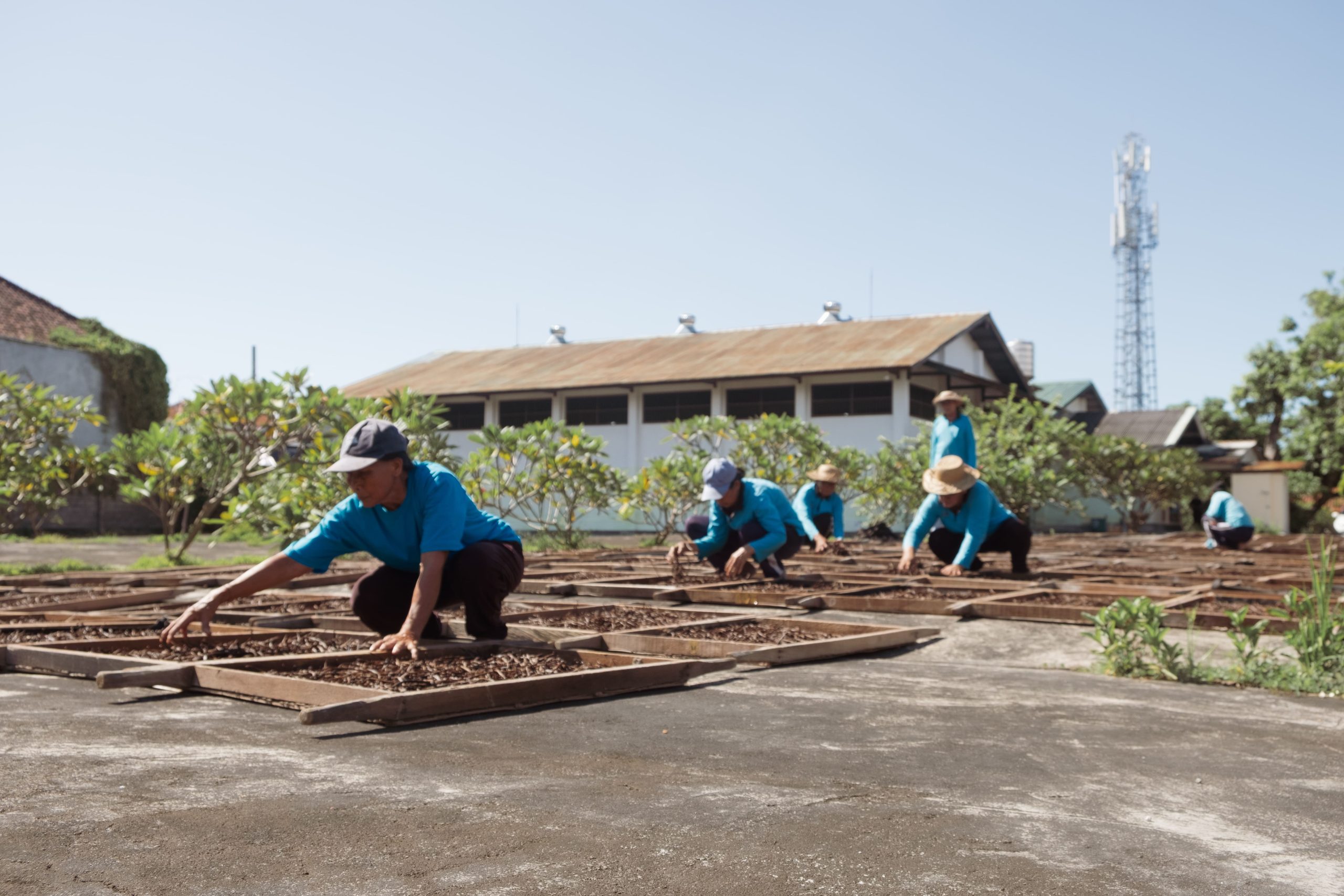
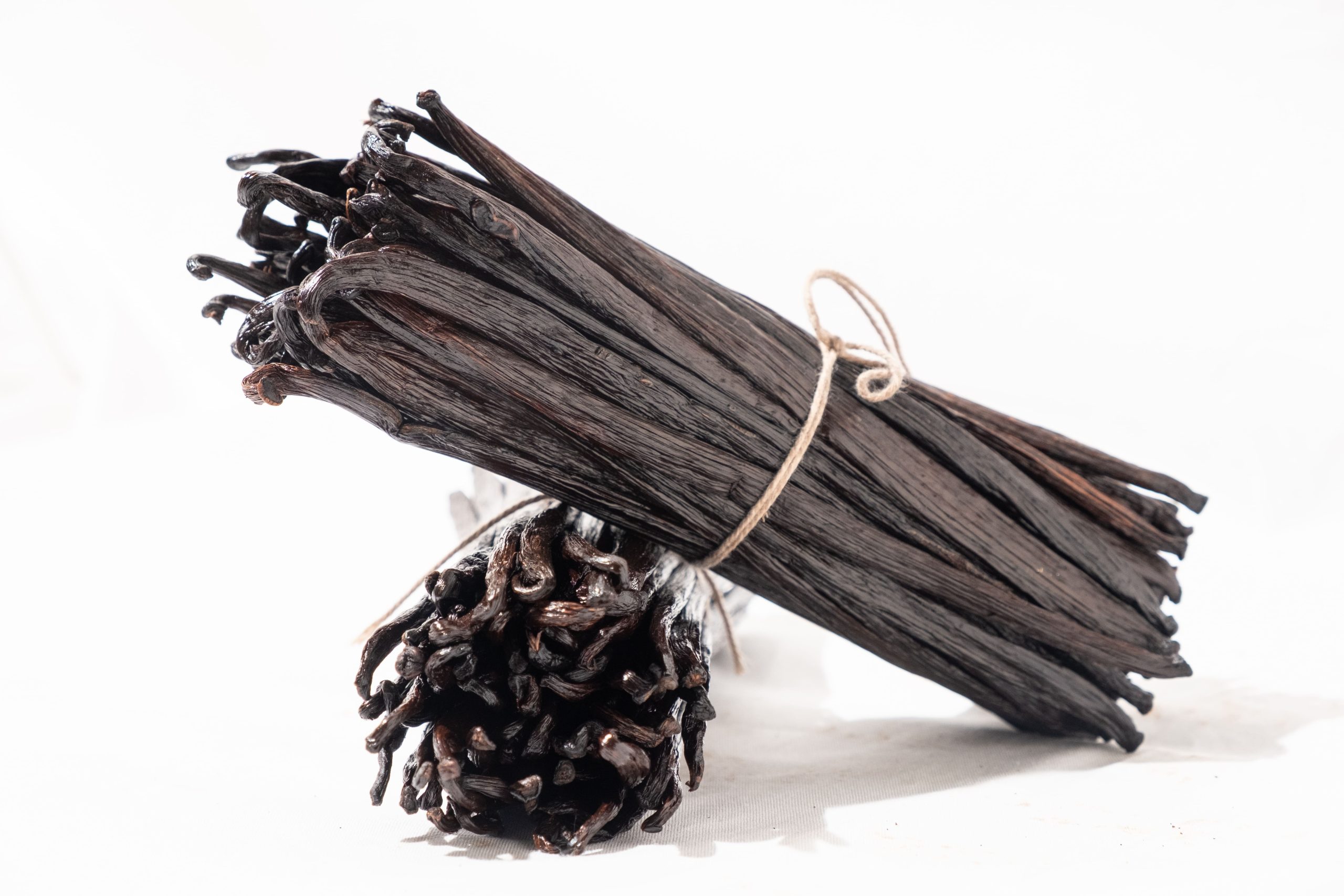
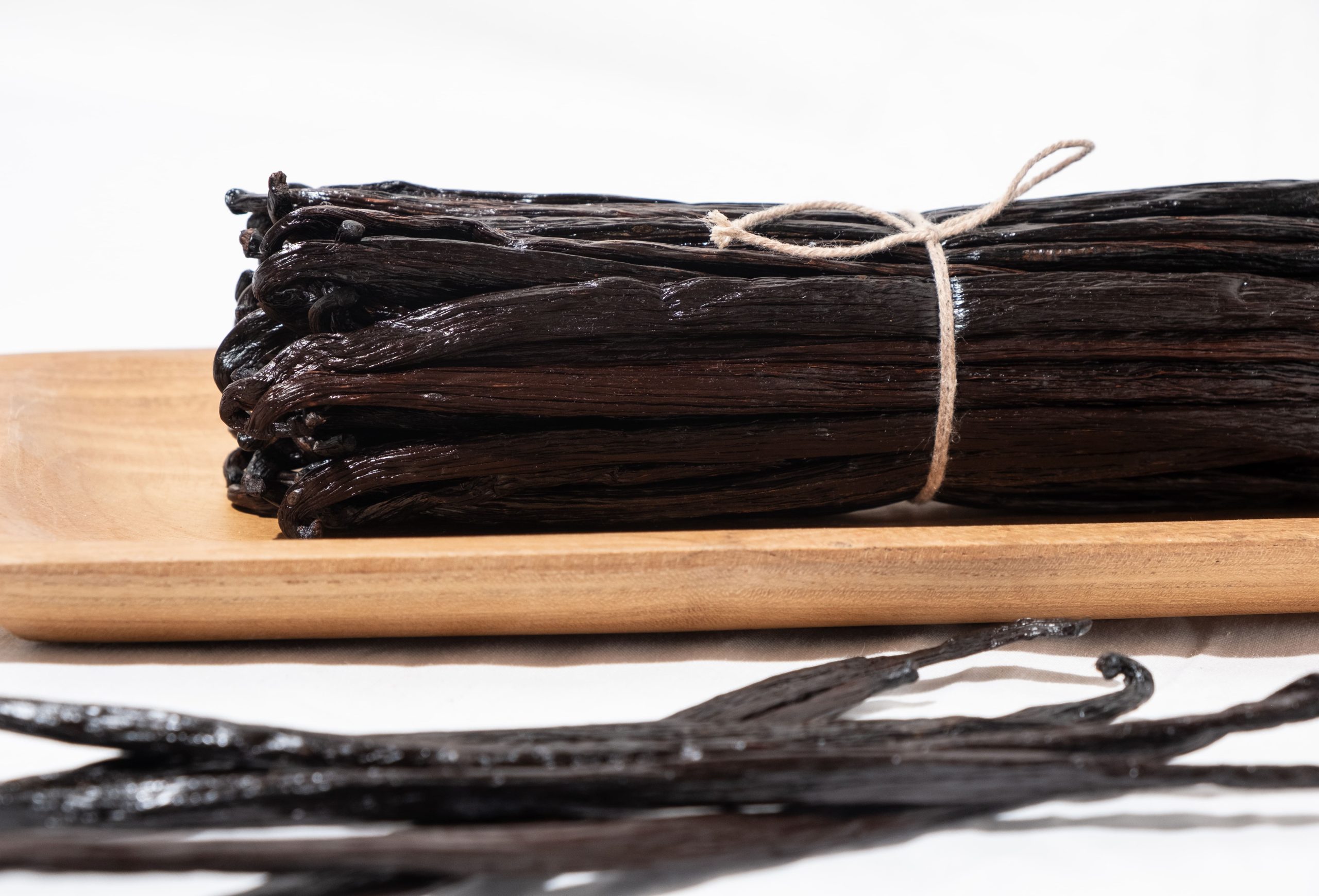
Green vanilla beans have almost no aroma. The characteristic vanilla scent and flavor develop entirely during curing, a multi-step post-harvest process involving blanching, sweating, sun-drying, and conditioning that typically takes three to six months or sometimes more.
Each stage of curing affects the final bean’s moisture content, vanillin concentration, and overall aroma profile. This means that two batches of the same origin can perform differently depending on how they were cured, making the post-harvest process just as important as the growing conditions that preceded it.
The curing timeline adds another four to six months after harvest before beans are ready for the end user. Combined with the nine-month growth period after pollination, the full cycle from pollination to shipment spans approximately 13 to 15 months.
| Stage | Approximate Duration | Why It Matters |
| Pod development on vine | 8 – 9 months | Vanilla develops on the vine before harvest. |
Curing and conditioning | 3 – 6 months | Aroma, moisture, and flavor develop during this stage. |
For procurement teams, curing quality directly influences product consistency. Differences in curing practices can affect aroma development, moisture stability, flexibility, and extraction performance, even when the beans originate from the same region.
Understanding how vanilla is processed after harvest can help buyers make more informed sourcing decisions.
Indonesian Vanilla Supply in the Global Market
According to trade data from the Observatory of Economic Complexity, Indonesia exported approximately USD 14.4 million worth of vanilla in 2024. The primary export destinations were the United States, France, Germany, the Netherlands, and China, reflecting consistent demand from food manufacturers, flavor houses, and ingredient processors in major international markets.
While between 2023 and 2024, the destinations for the Indonesia vanilla export were Germany, China and Latvia. This global demand illustrates how Indonesia continues to supply a diverse range of international markets.
Indonesia’s established export infrastructure, multi-region cultivation base, and consistent international trade relationships make it a well-documented and regularly accessed supply origin for vanilla buyers globally.
Explore Indonesian Vanilla with Us
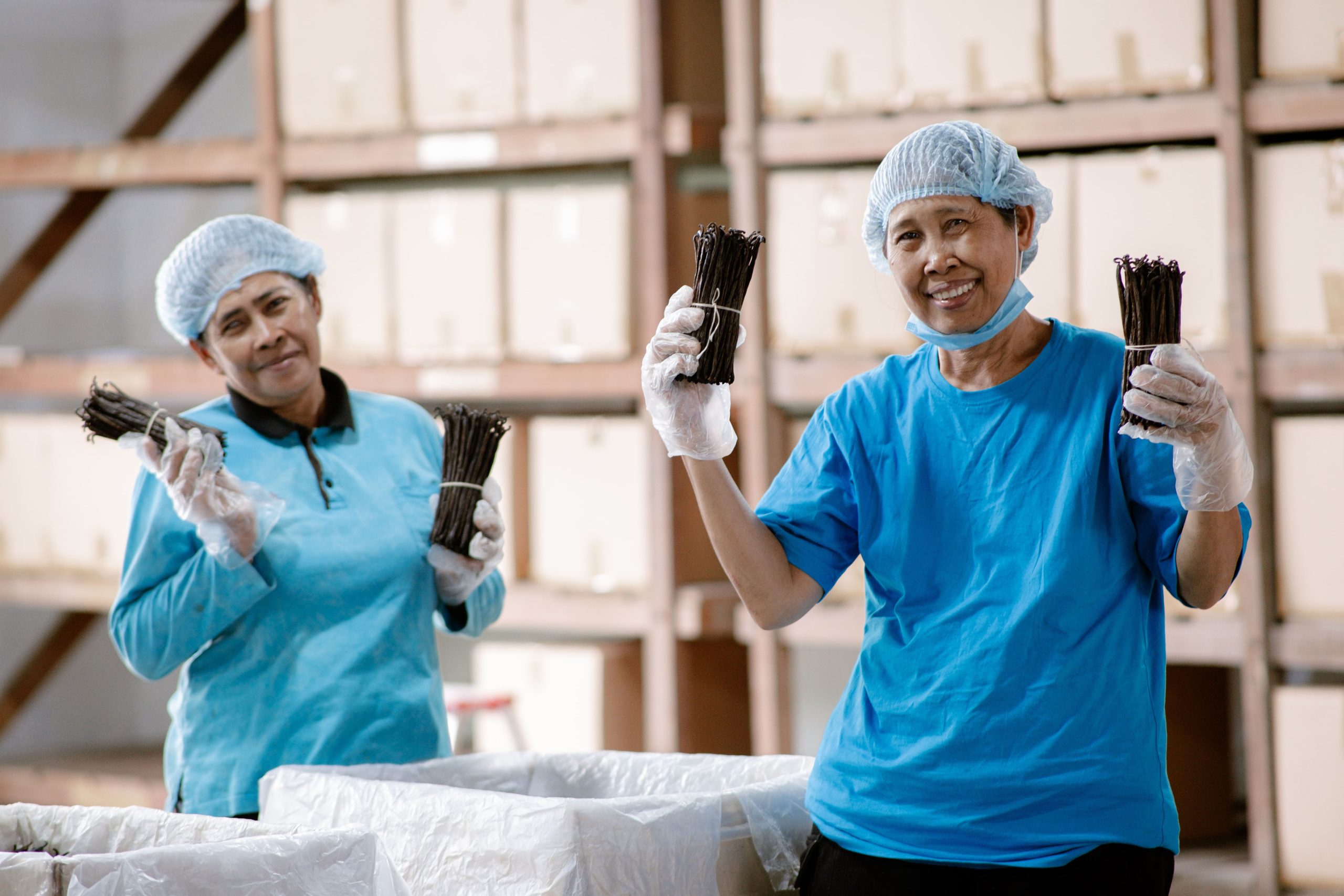
Behind the export figures is a production cycle that begins on individual farms across Indonesia’s growing regions, one that depends on seasonal pollination, careful harvesting, and months of post-harvest curing before a bean is ready to ship.
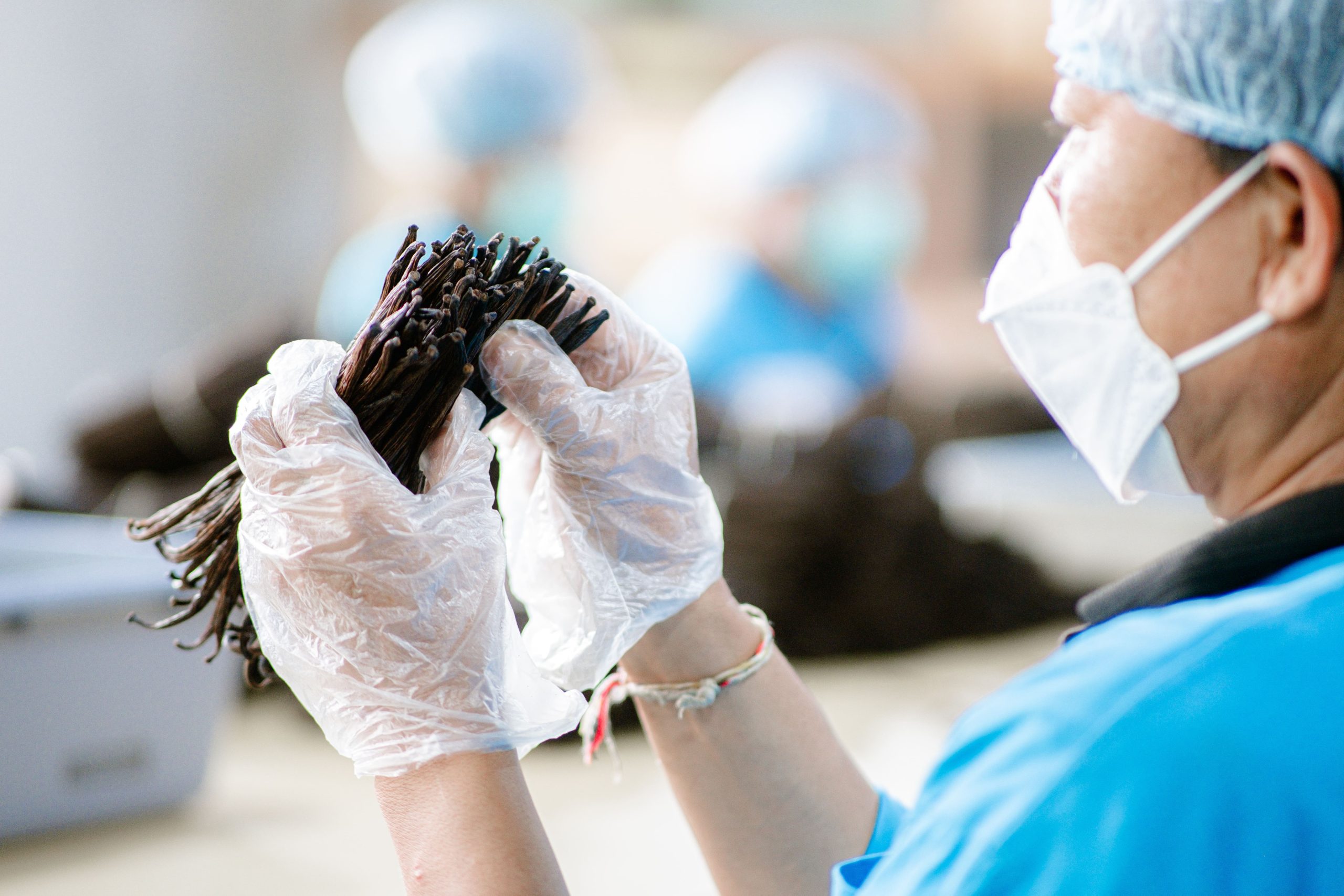
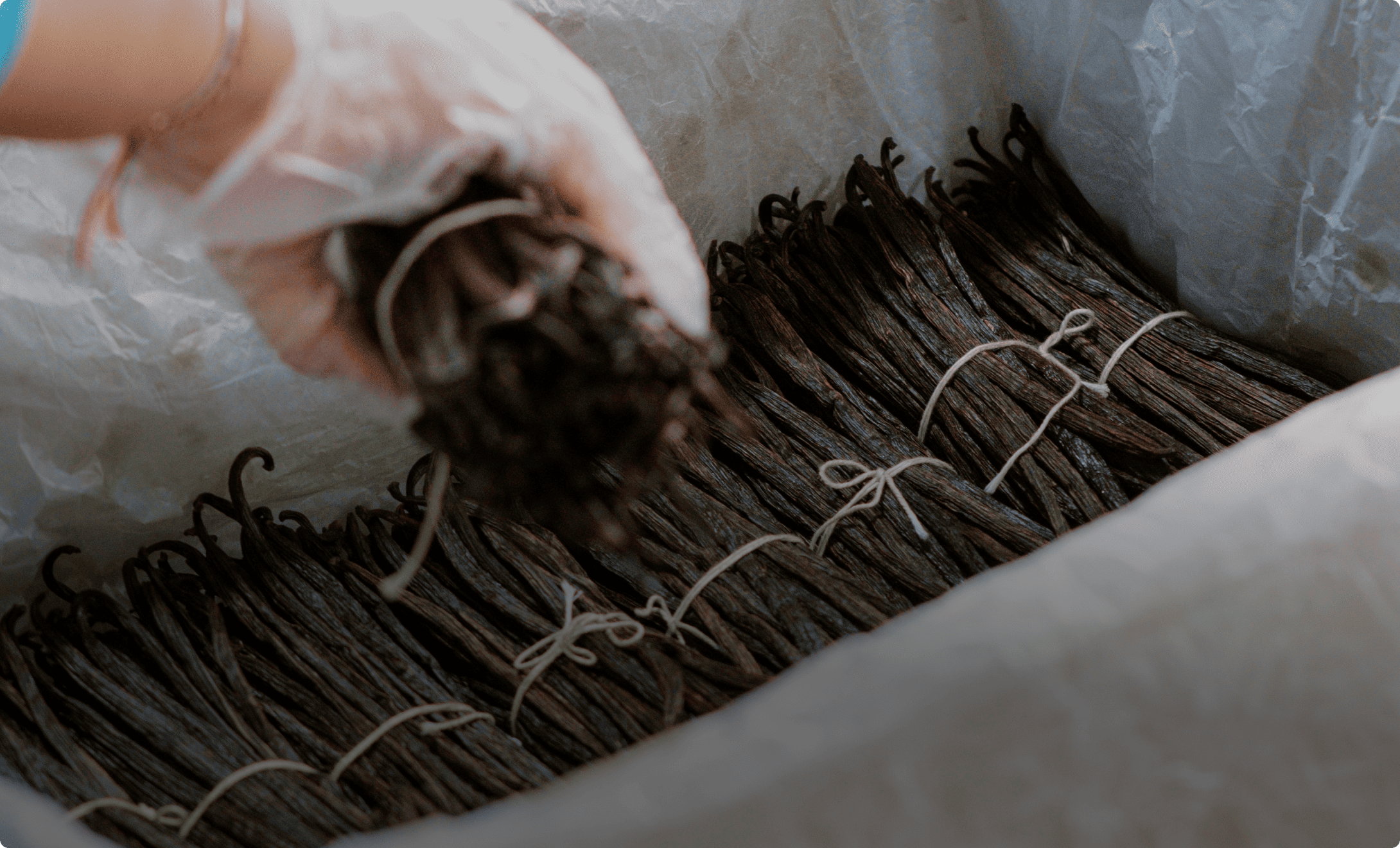
Rendah Vanilla is part of that chain from an early stage, working directly with farming communities and overseeing curing, grading, and quality selection across every harvest season.
Explore more about Indonesian vanilla or get in touch with the team.
More to Read